Stars
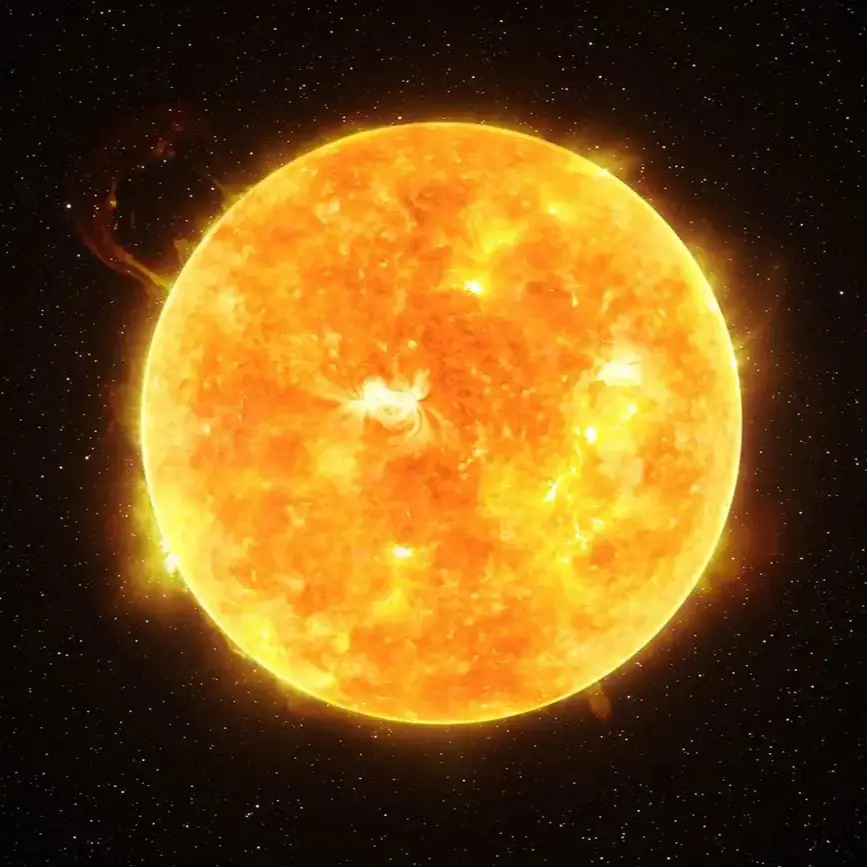
Tau Ceti
Tau Ceti is a solitary yellow dwarf of spectral type G8.5V, slightly smaller than the Sun in mass, radius, and luminosity. The star is characterized by low magnetic activity, high stability, and a lower abundance of heavy elements (metals) compared to our Sun.
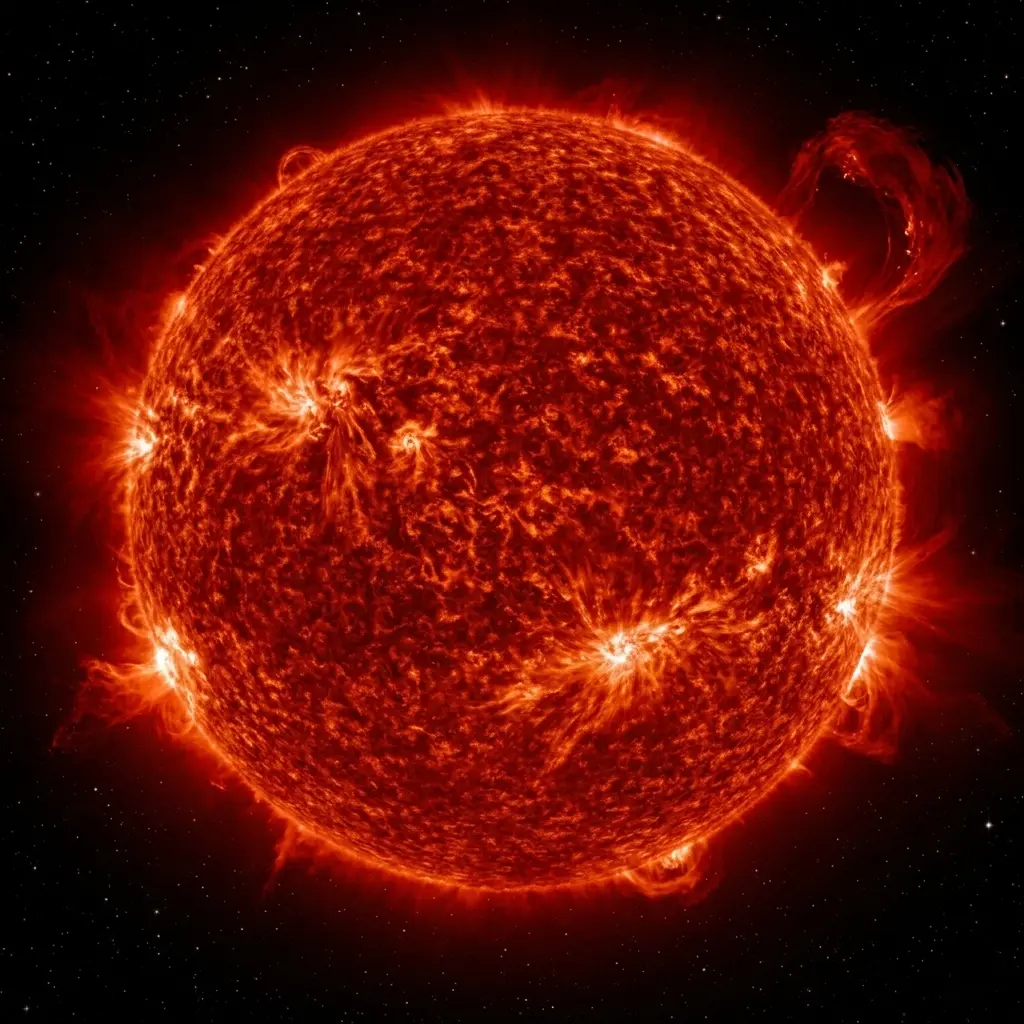
GJ 1061
GJ 1061 is a dim and cool red dwarf of spectral type M5.5V. Its mass and radius are only about 11–12% those of our Sun, and its surface temperature does not exceed 3000 Kelvin, making it a very low-luminosity object with a long evolution.
Struve 2398 A
Struve 2398 A is a red dwarf of spectral type M, a relatively cool and long-lived main sequence object. Convection cells and powerful plasma outflows (prominences) are visible on its surface, indicating high magnetic activity, typical of young or rapidly rotating M dwarfs.
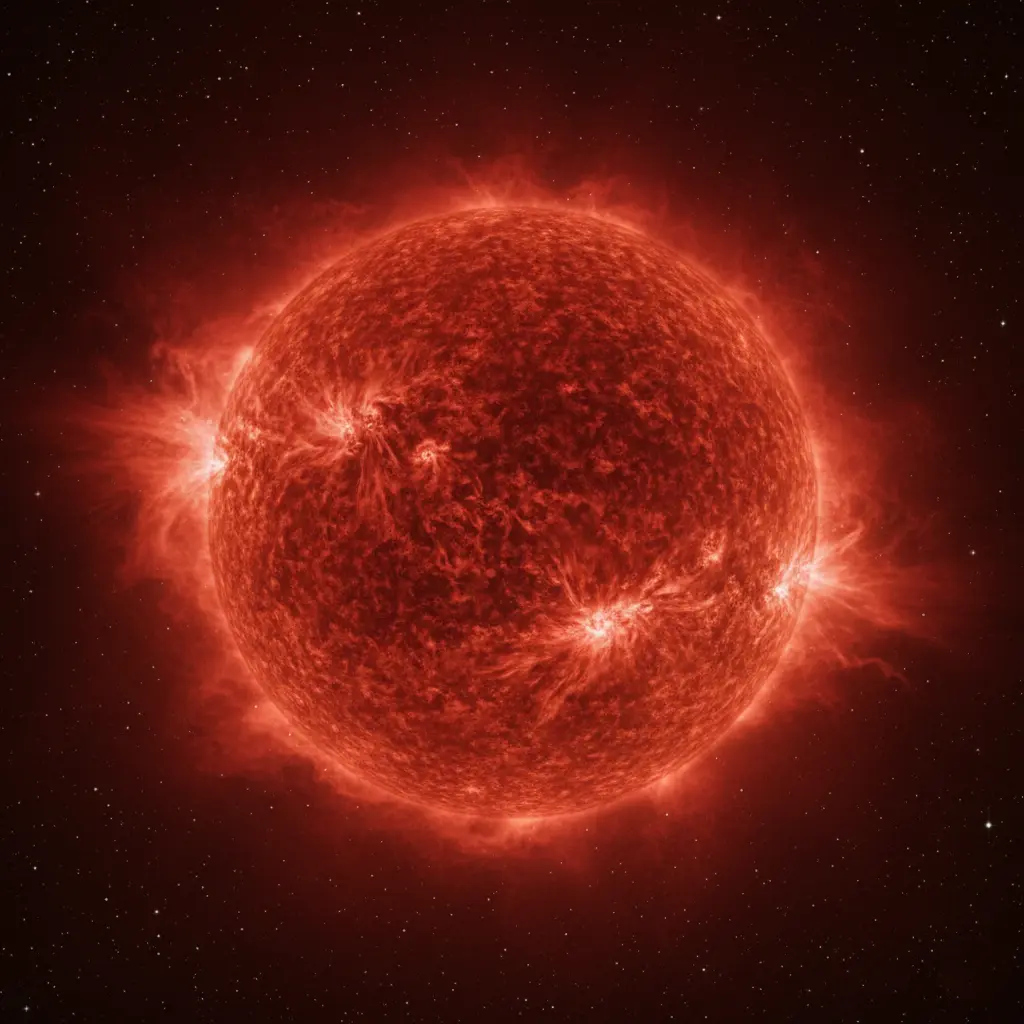
Struve 2398 B
Struve 2398 B is the system's primary star, likely an orange or yellow K- or G-class dwarf. Its surface displays distinct granulation and bright active zones with massive coronal mass ejections glowing against the cosmic backdrop.
Kapteyn's Star
The central star is Kapteyn's Star, a dim red dwarf of spectral type M1V, over 11 billion years old. One of the oldest known stars in the solar neighborhood, this halo subdwarf exhibits high intrinsic velocity and low metallicity, confirming its ancient origin.
GJ 876
The central object of the system is a dim red dwarf of spectral type M4V, with a mass only one-third that of our Sun. Due to its low luminosity, the habitable zone is very close to the star, exposed to the intense radiation typical of active dwarfs.
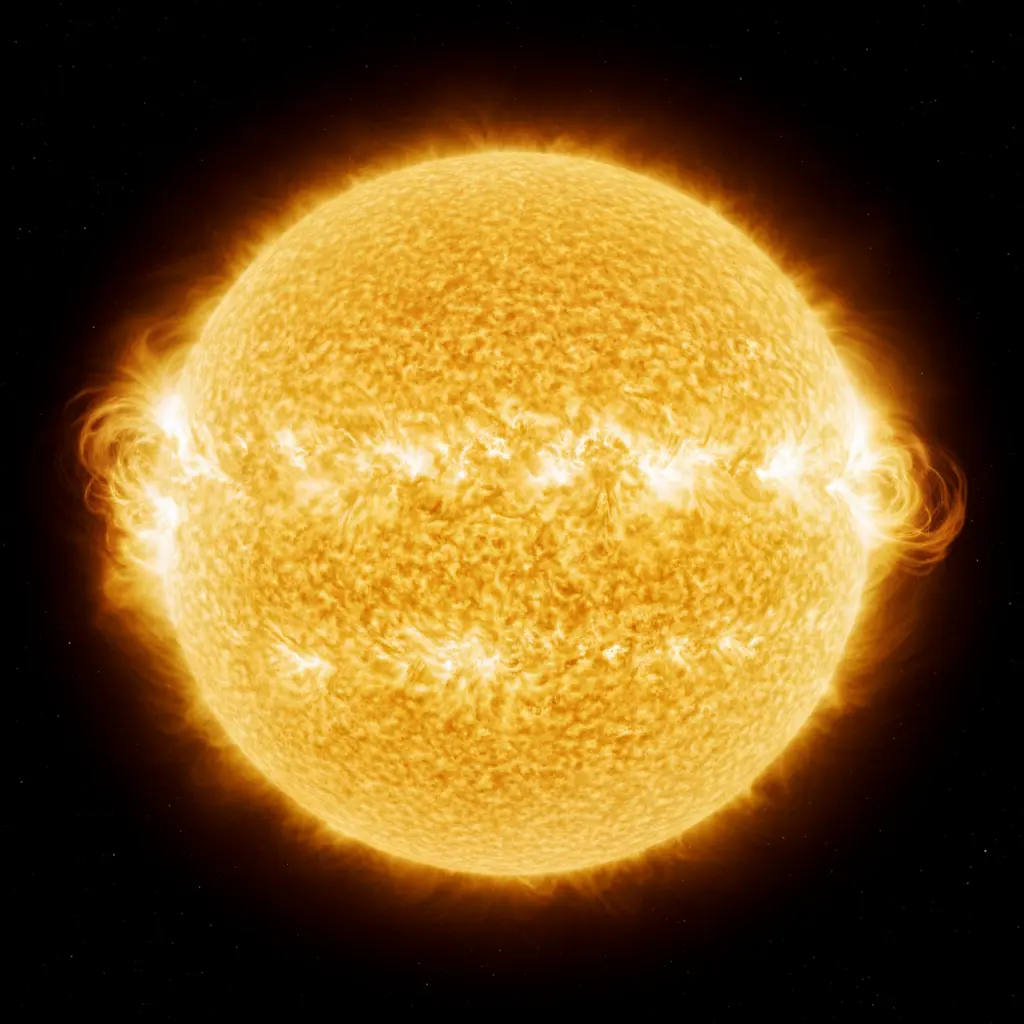
82 G. Eridani
The system's central star is a solitary yellow dwarf of spectral type G8V, estimated to be approximately 5.8 billion years old. This star has a lower metallicity and is approximately 20% smaller in mass, luminosity, and physical radius than our Sun.
Kruger 60 A
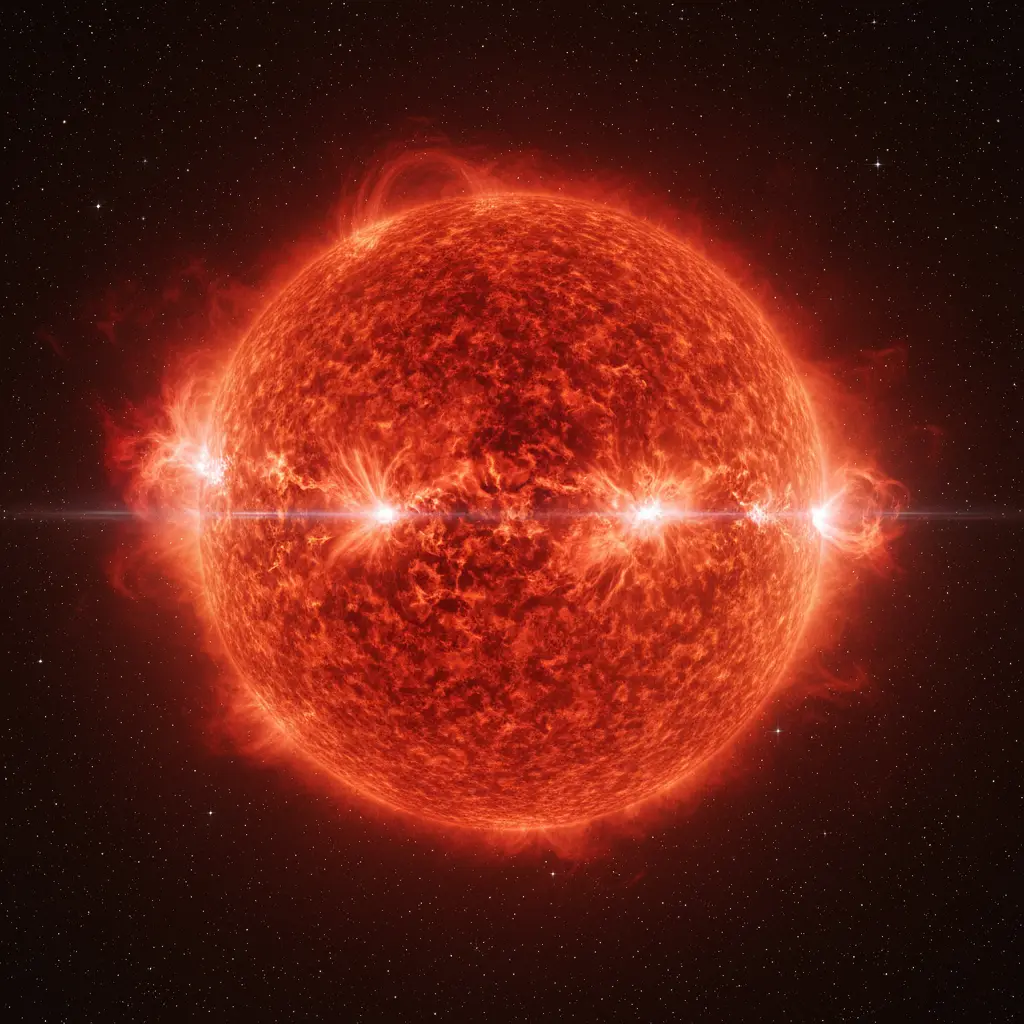
The main star, Kruger 60 A, is a red dwarf of spectral class M3V that is slightly larger, more massive and brighter than its companion. It is a relatively stable star that emits most of its energy in the infrared.
Kruger 60 B
Kruger 60 B (also known as DO Cephei) is a smaller red dwarf of spectral type M4V, known as a UV Ceti variable star. It is a flare star exhibiting unpredictable and sudden increases in brightness.
Gliese 581
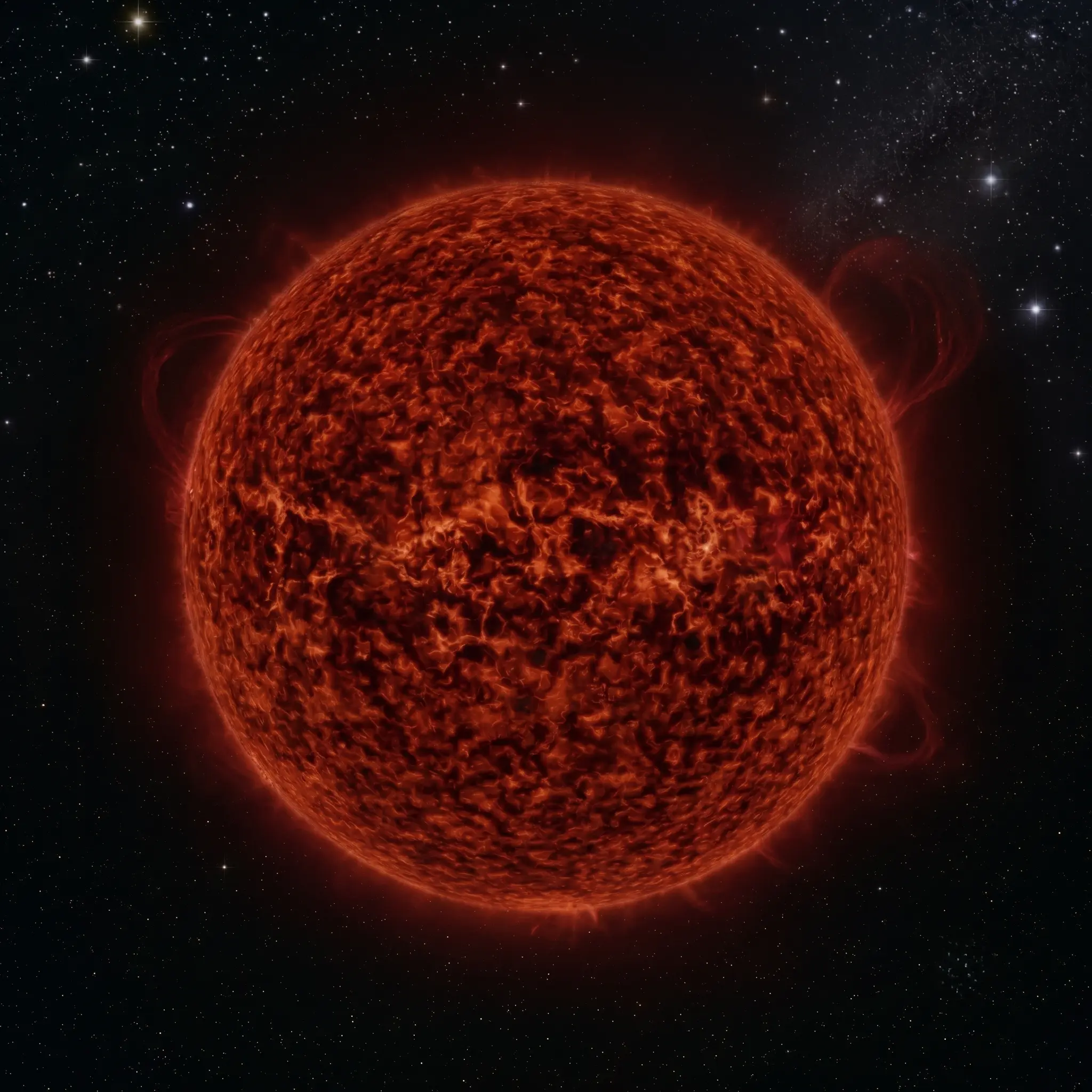
The central star is a dim red dwarf of spectral type M3V. Gliese 581 is significantly smaller and cooler than the Sun: its mass is about 30% that of the Sun, and its luminosity is only about 1% that of the Sun. Due to its low luminosity, the habitable zone in this system is very close to the star, much closer than the orbit of Mercury in the Solar System.
61 Virginis
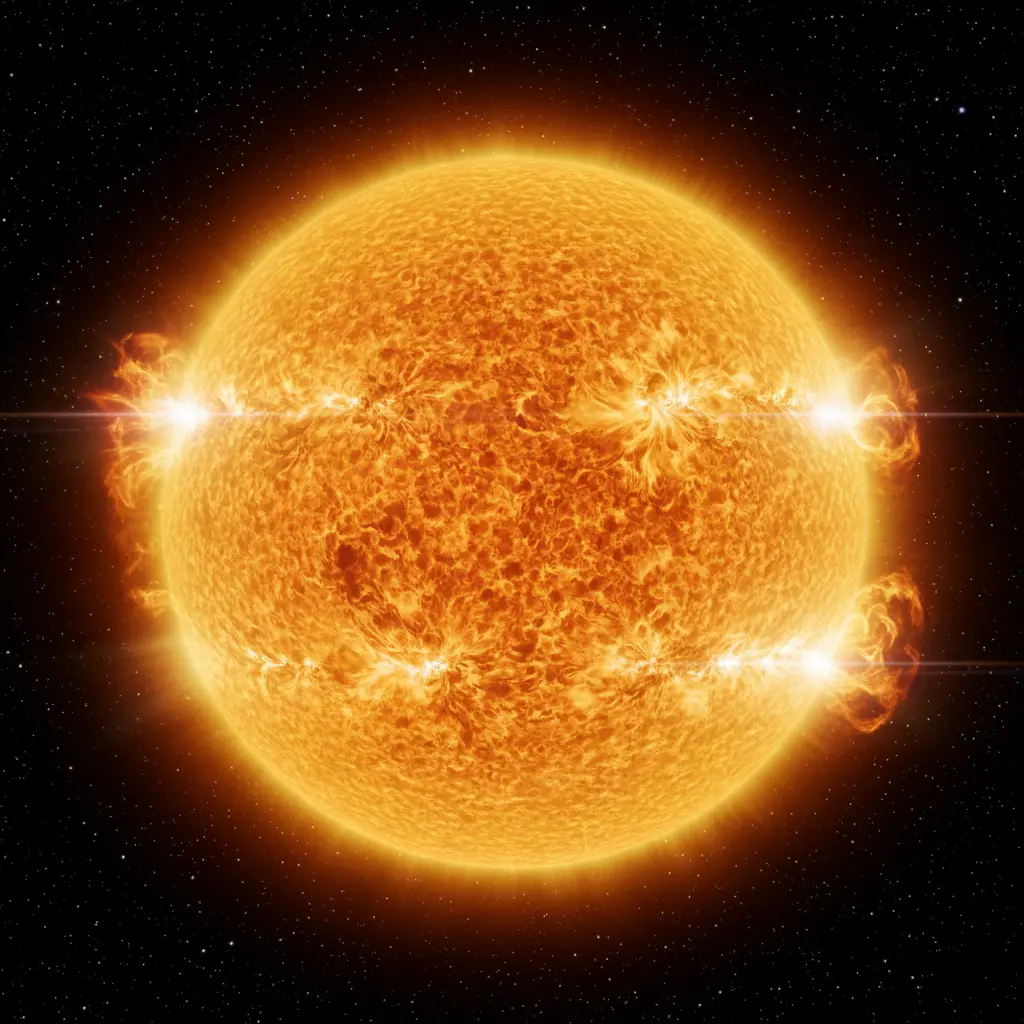
The central star, 61 Virginis, is a yellow dwarf of spectral type G, slightly cooler and lighter than our Sun. This star is estimated to be approximately 6 billion years old and has a mass of about 95 percent that of the Sun.
LHS 1140
The central object of the system is a small, dim red dwarf of spectral type M4.5V. Its mass is only 18.4% and its radius 21.6% that of our Sun. The star's luminosity is 0.3% that of the Sun, and its equilibrium surface temperature reaches approximately 3096 Kelvin.