Star Systems
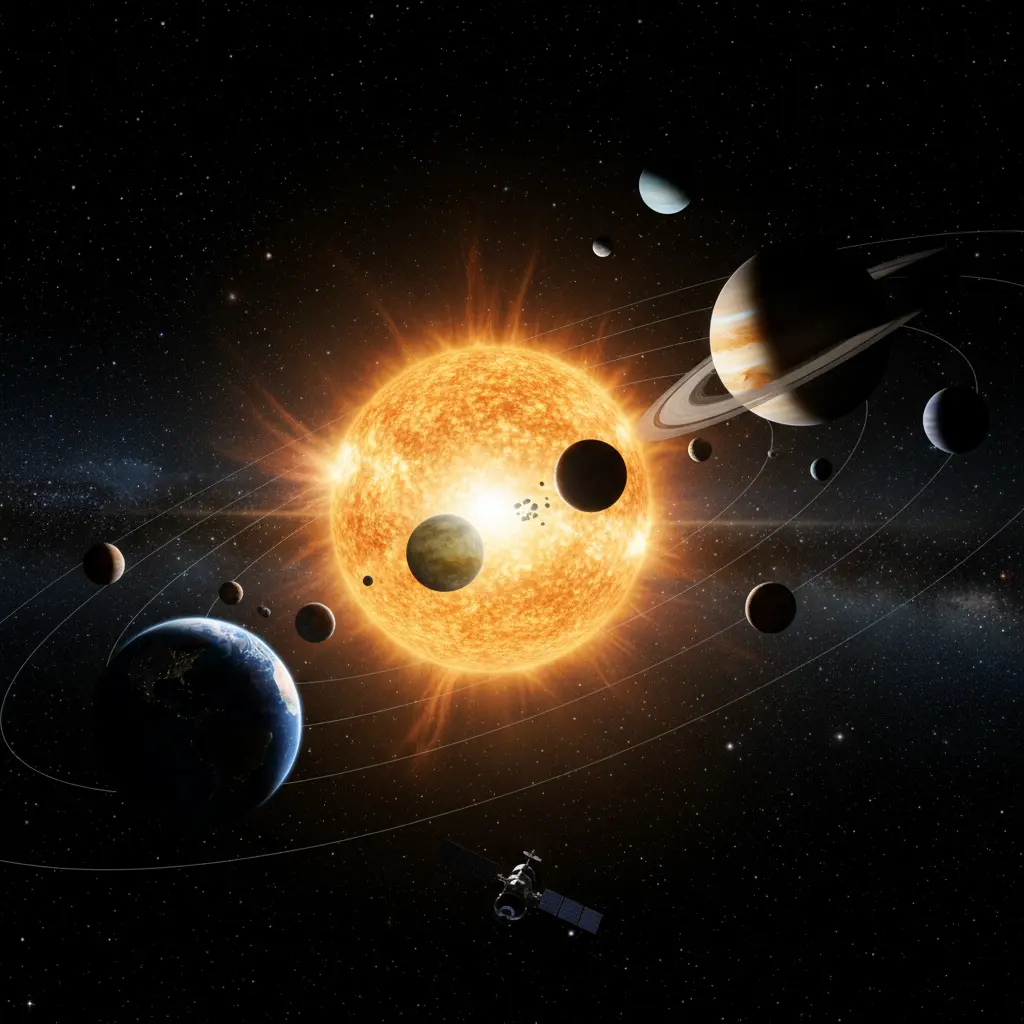
The Solar System
The Solar System is a gravitationally bound system that formed about 4.6 billion years ago from a giant interstellar molecular cloud.
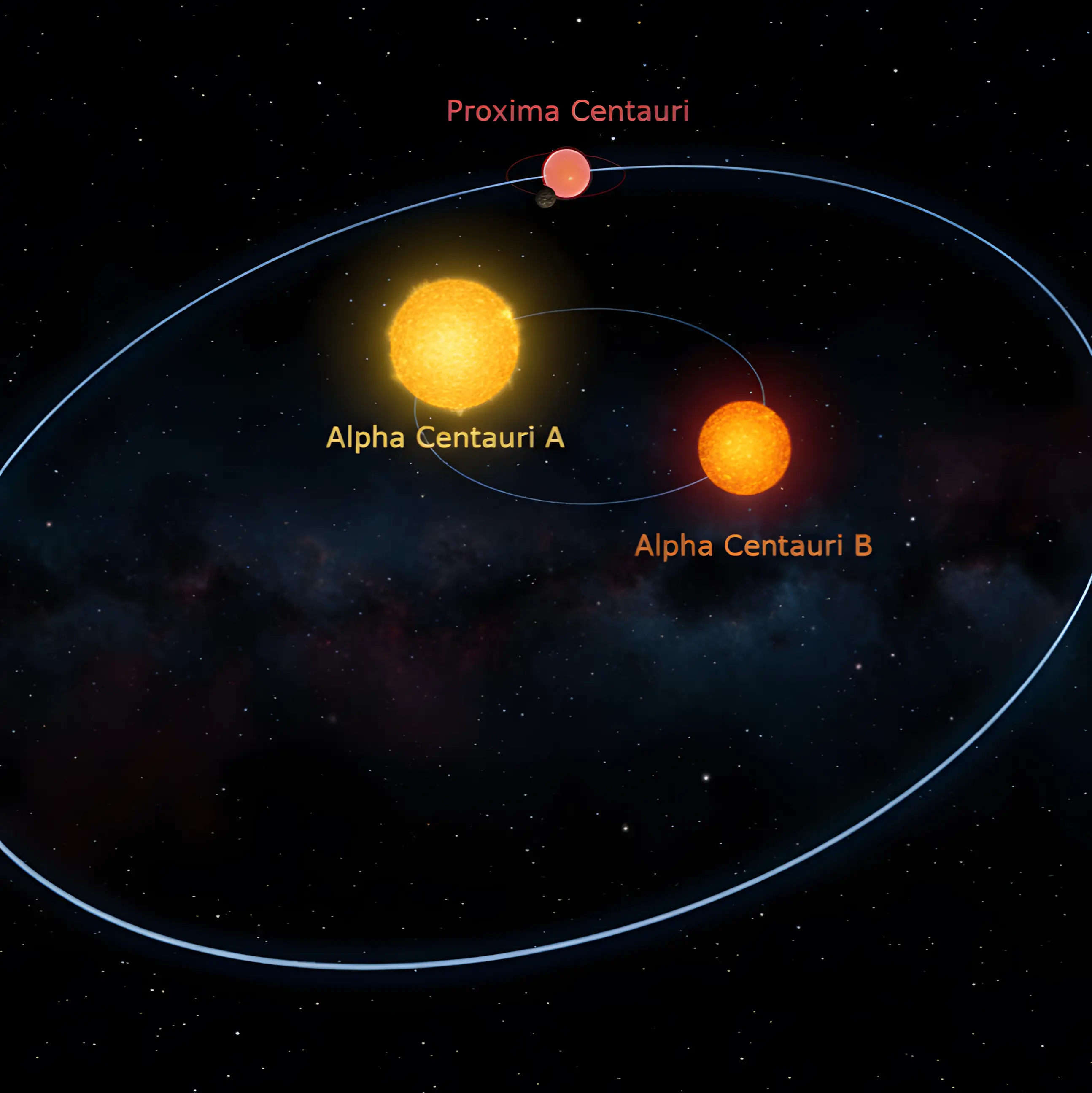
Alpha Centauri
Alpha Centauri is the closest star system to us, located at a distance of approximately 4.37 light years from the Sun.
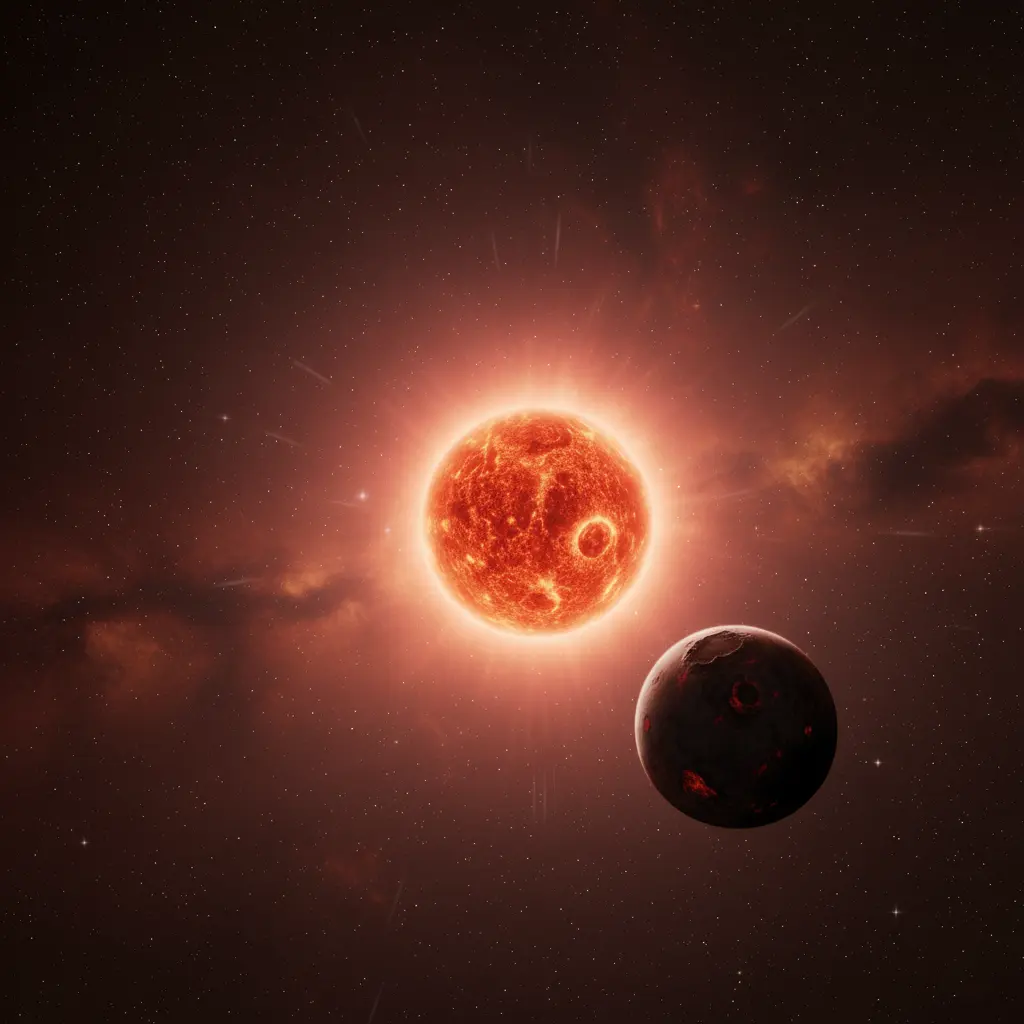
Barnard's Star System
Barnard's Star is a solitary star system located in the constellation Ophiuchus, approximately 6 light-years from Earth.
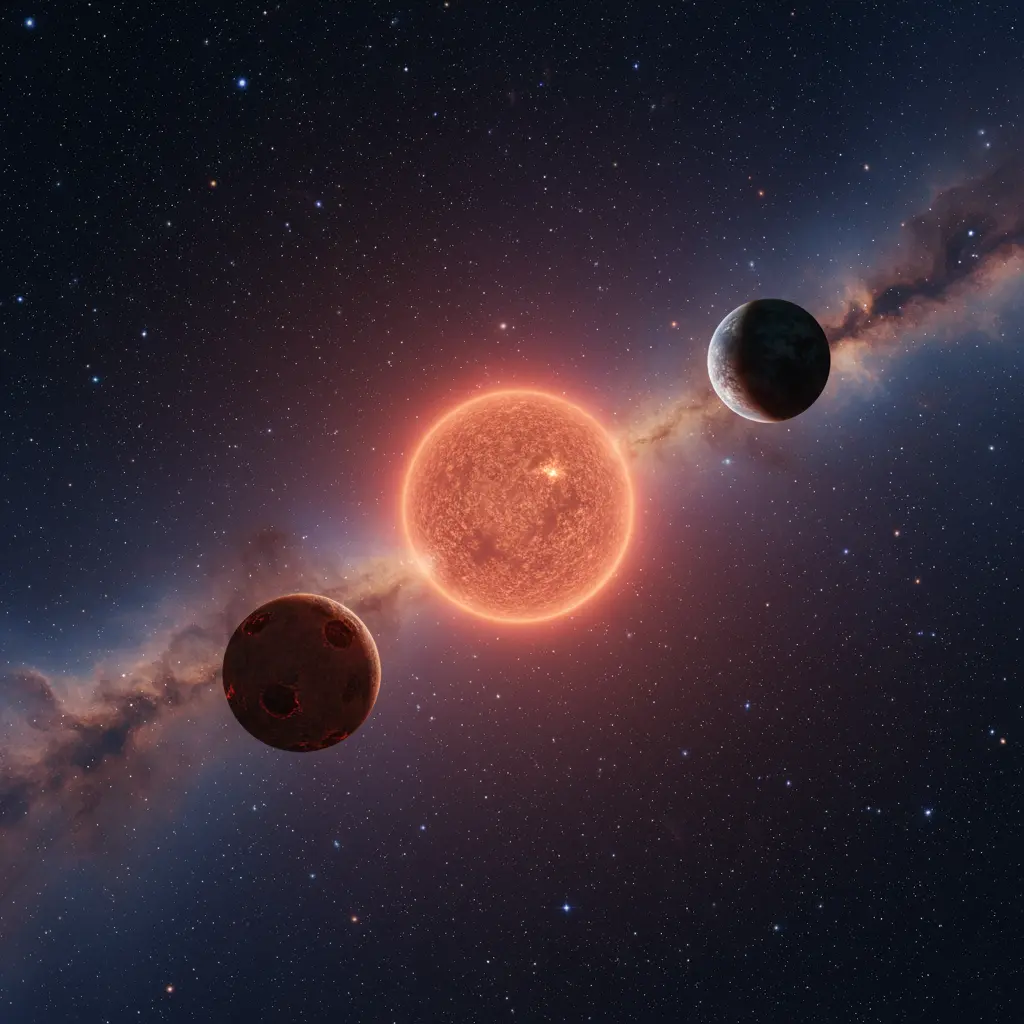
Wolf 359
It is a solitary star, a red dwarf of spectral type M6. Like Barnard's Star, it is very dim, small, and cool, making it invisible to the naked eye.
Luhman 16
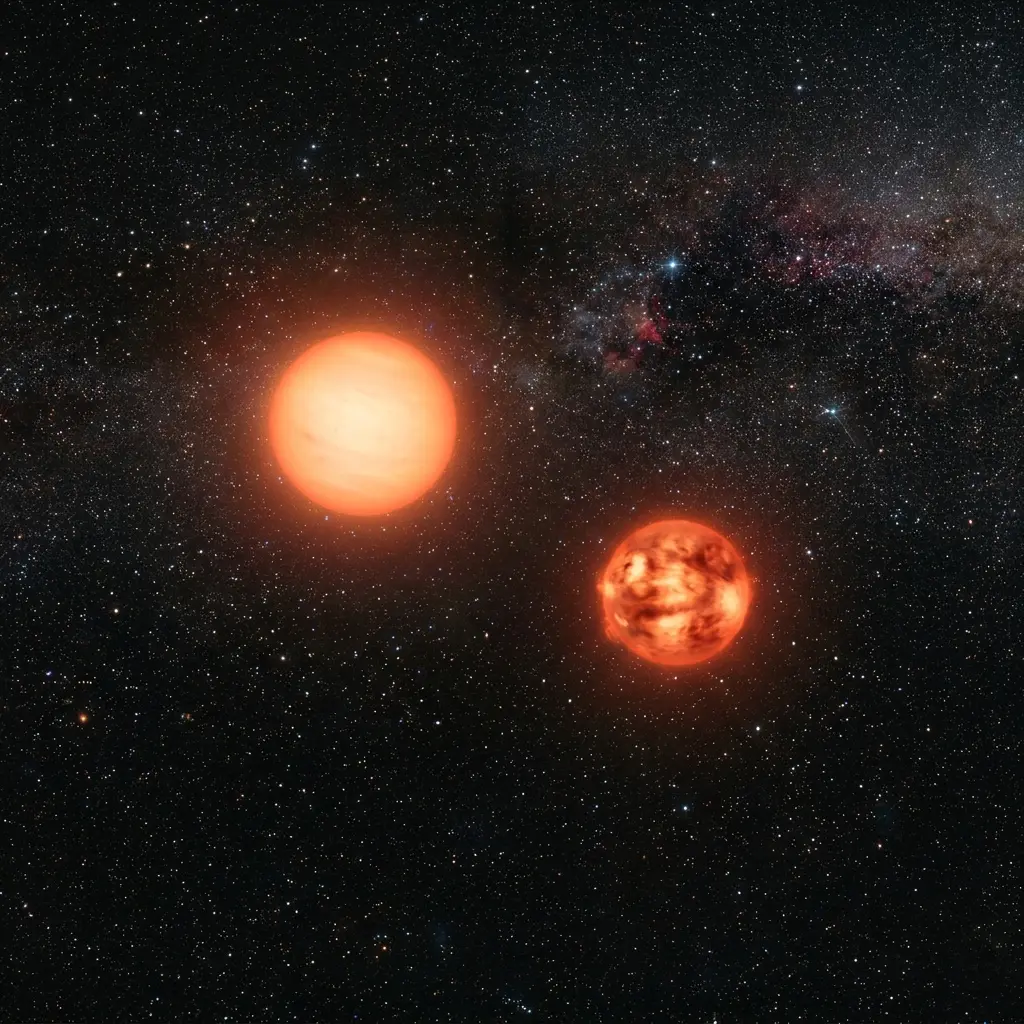
Luhman 16 is the closest brown carnivore binary system to Earth, located just 6.5 light-years away in the constellation Vela, consisting of two substellar objects, Luhman 16A and Luhman 16B, orbiting each other with a period of approximately 25 years. This system, which is the third closest to the Sun after Alpha Centauri and Barnard's Star,
WISE 0855−0714
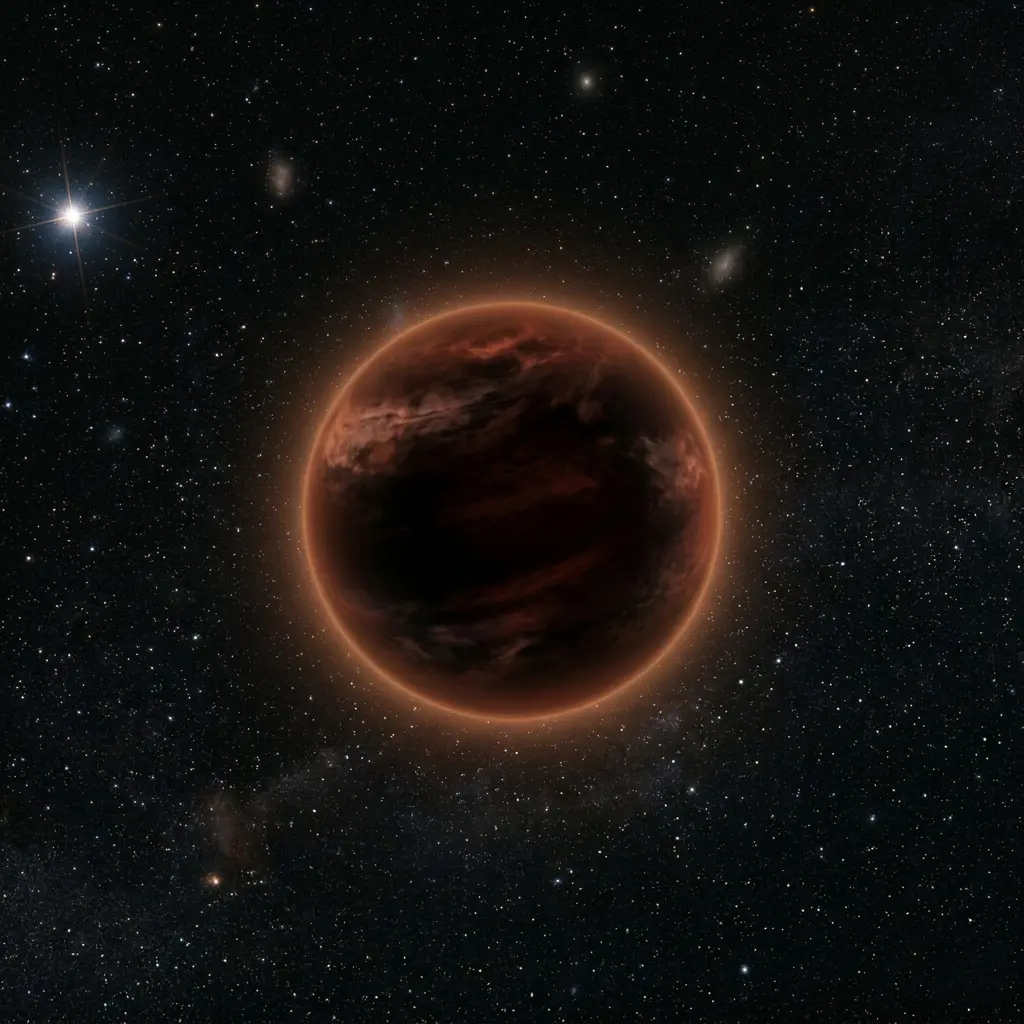
WISE 0855−0714 is a unique subbrown dwarf located approximately 7.2 light-years from Earth, which holds the title of the coldest known stellar object outside the Solar System, with a surface temperature of between -48°C and -13°C. With a mass between 3 and 10 times that of Jupiter, this object occupies characteristics intermediate between a giant planet and a star, with infrared data indicating the presence of water clouds or ice in its atmosphere.
Lalande 21185
Lalande 21185 is a dim red dwarf of spectral type M2V located in the constellation Ursa Major at a distance of approximately 8.3 light-years from Earth, making it one of the closest stellar systems to the Sun and the fourth-closest single star. With a mass of approximately 46% and a radius of approximately 48% that of the Sun, Lalande 21185 is a relatively old and quiet star, around which at least two exoplanets have been confirmed: the super-Earth Lalande 21185 b and the mini-Neptune Lalande 21185 c.
Sirus
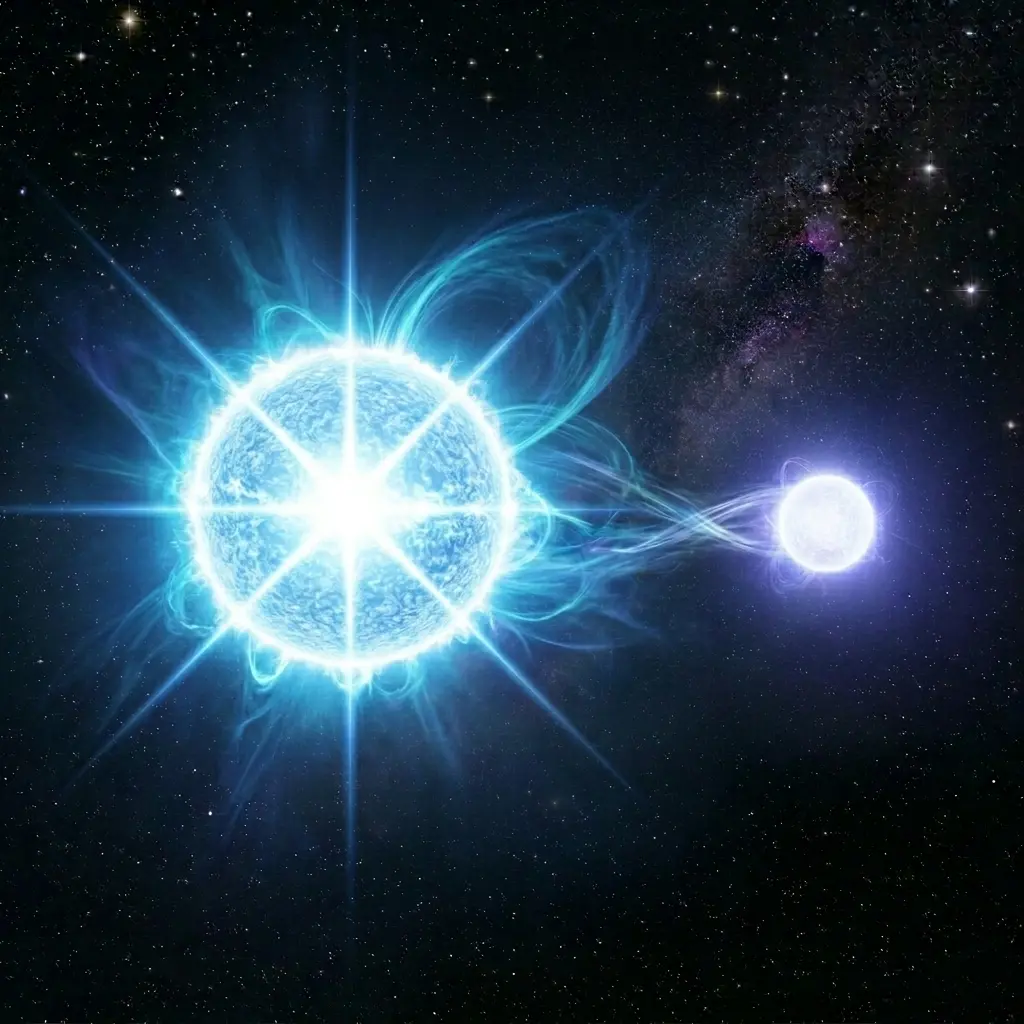
The Sirius system is a binary star system located in the constellation Canis Major (Canis Major) at a distance of approximately 8.6 light-years from the Solar System, making it one of our closest neighbors. The dominant object in the system is Sirius A, a dazzling white main-sequence star twice as massive and 25 times more luminous than the Sun, making it the brightest star in Earth's night sky.
Luyten 726-8
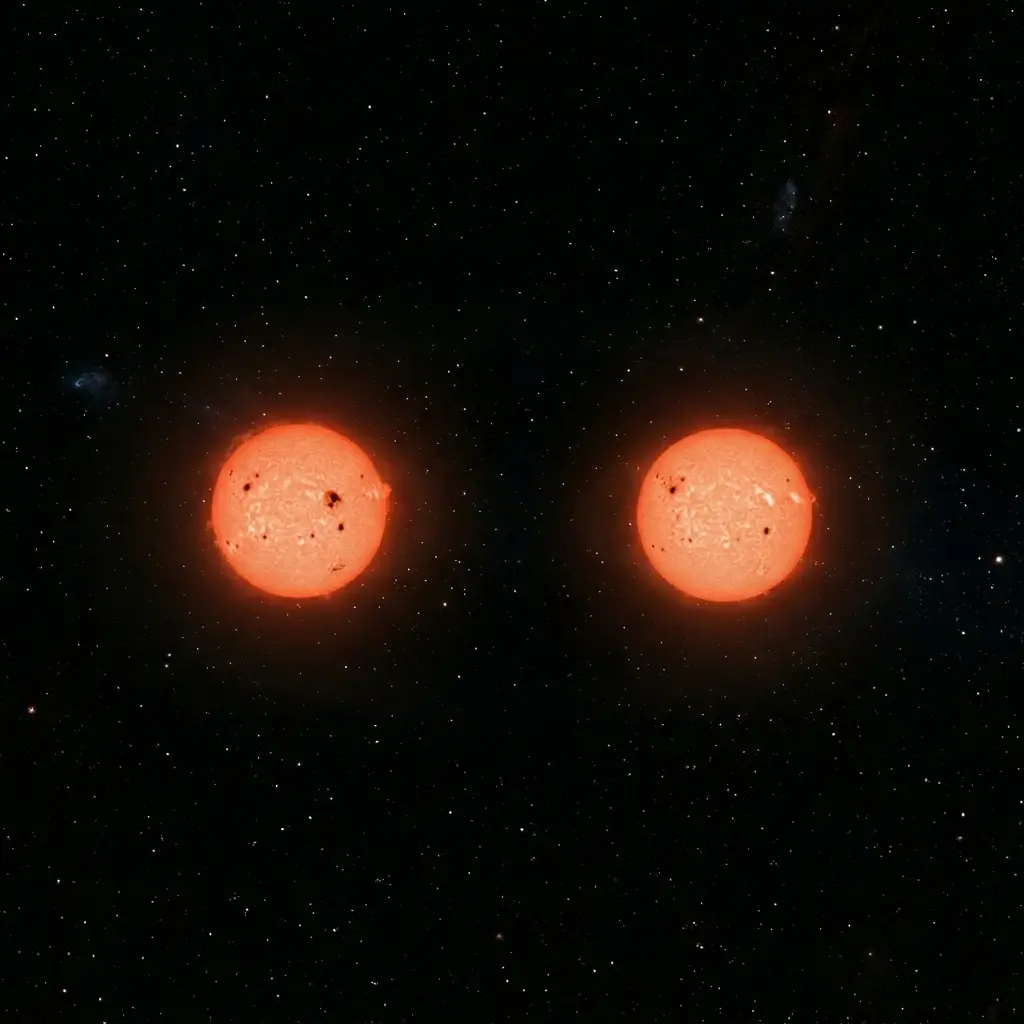
Luyten 726-8 (also known as Luyten 726-8 or UV Ceti) is one of the closest binary star systems to Earth, located approximately 8.7 light-years away in the constellation Cetus. The system consists of two very similar red dwarf stars.
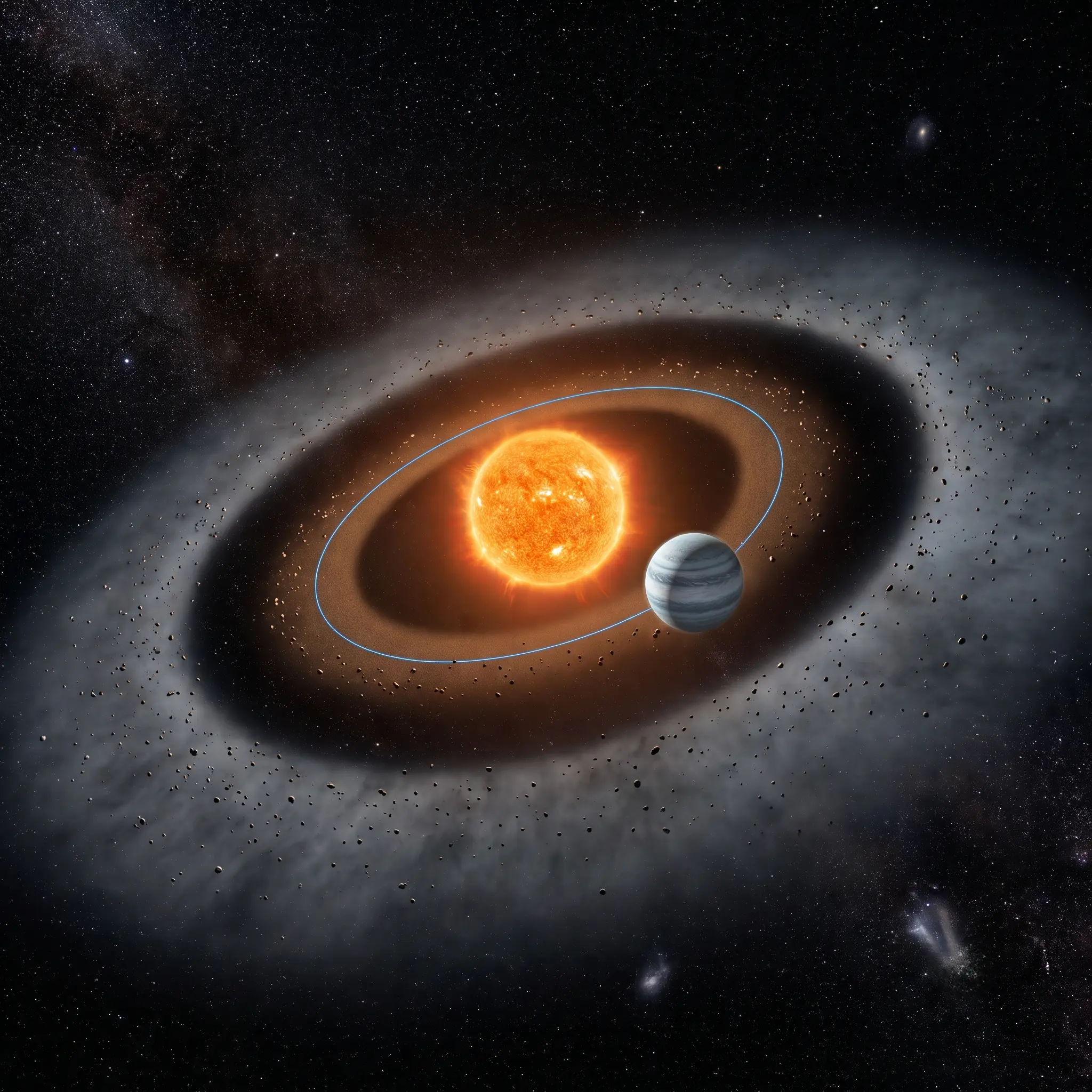
Epsilon Eridani
This is a remarkably intriguing stellar system positioned approximately 10.5 light-years from Earth. Throughout recent astronomical surveys and extensive telescopic observations, scientists have analyzed this system closely to comprehend its distinct evolutionary path, cosmic radiation levels, and gravitational dynamics. The constant monitoring of this specific stellar neighborhood continuously yields valuable insights into the broader mechanisms governing our surrounding galactic environment.
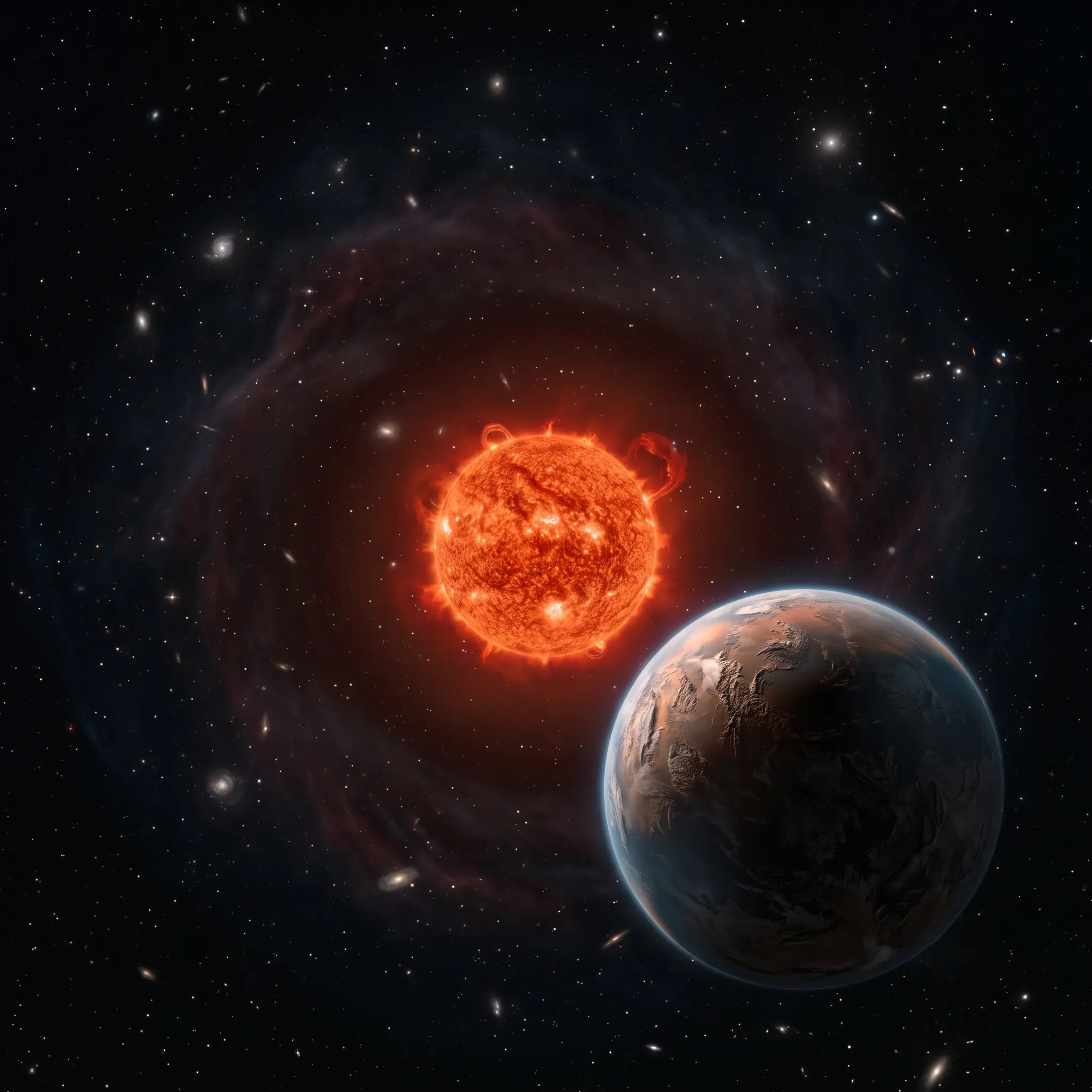
Ross 128
The Ross 128 star system is located in the constellation Virgo, 11 light-years from Earth, making it one of the closest to the Solar System. It is a solitary dwarf system containing one known star and one exoplanet located at the inner edge of the habitable zone.
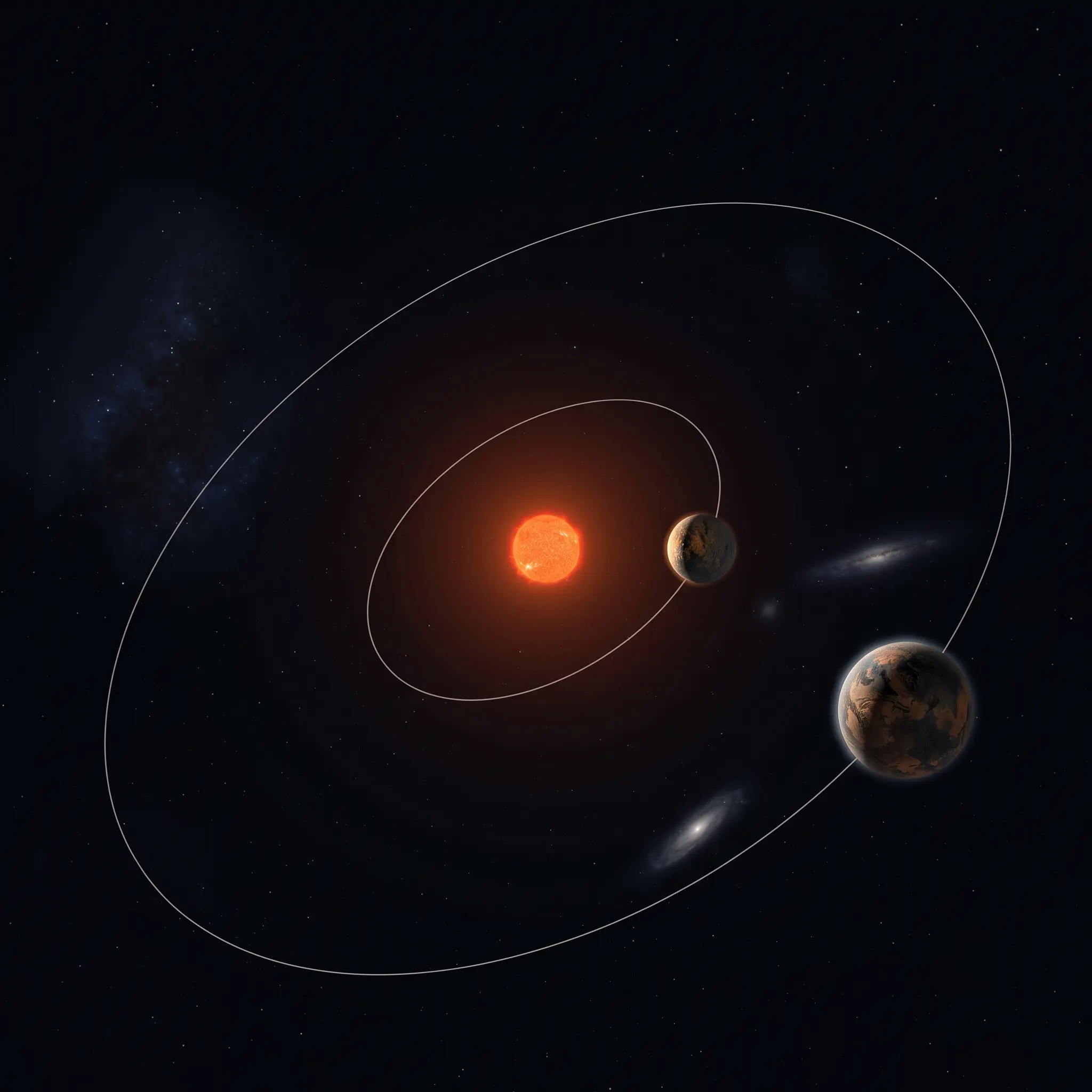
Luyten's Star System
This planetary system is located in the equatorial constellation Canis Minor, approximately twelve light-years from our Sun. It contains a central star and several exoplanets, two of which have been officially confirmed. The system is particularly notable to astronomers because one of its planets lies in the circumstellar habitable zone.
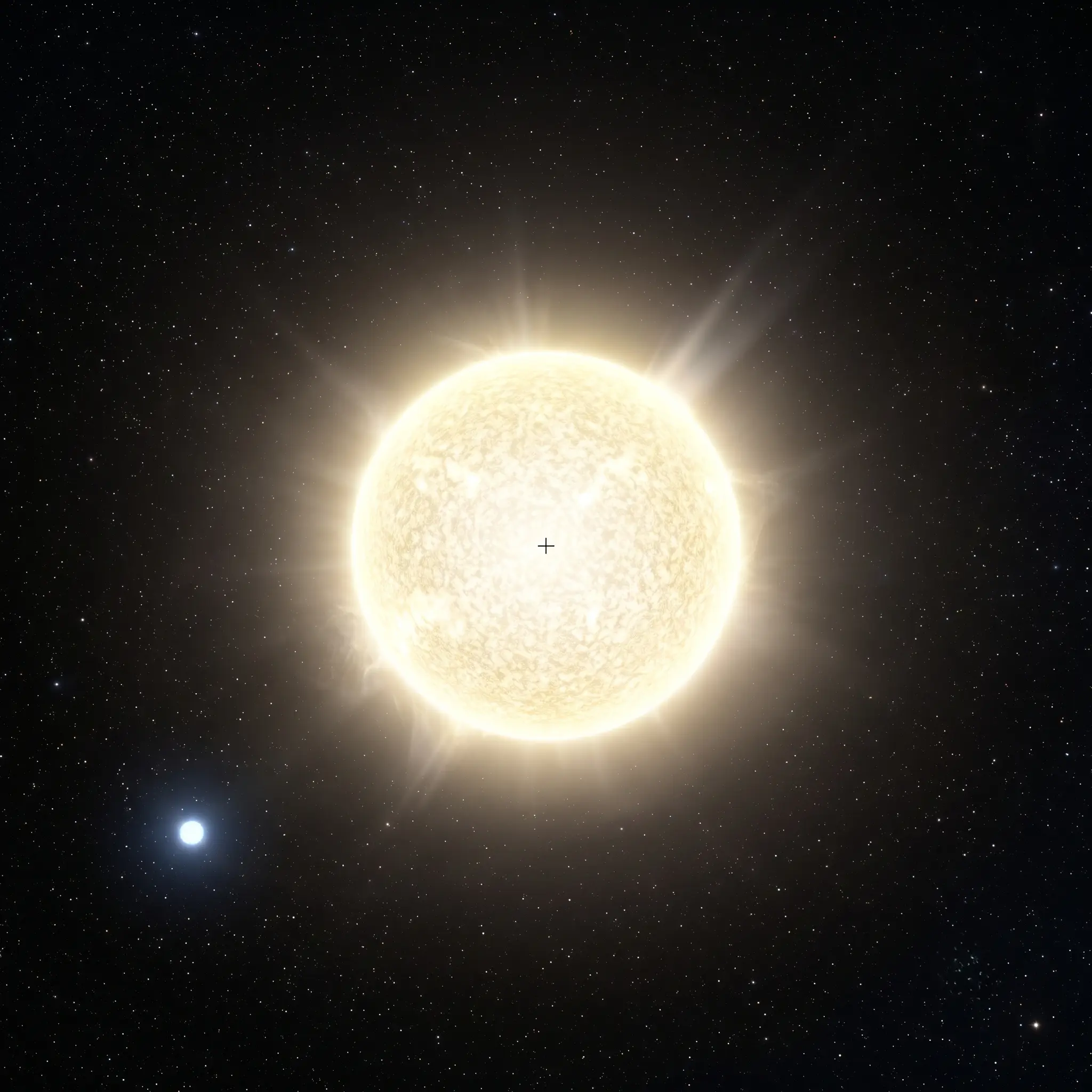
Procyon System
The Procyon binary star system is located in the constellation Canis Minor, approximately 11.46 light-years from the Sun. It consists of two stars orbiting a common center of mass with a period of approximately 40.8 years. It is one of the closest star systems to Earth.
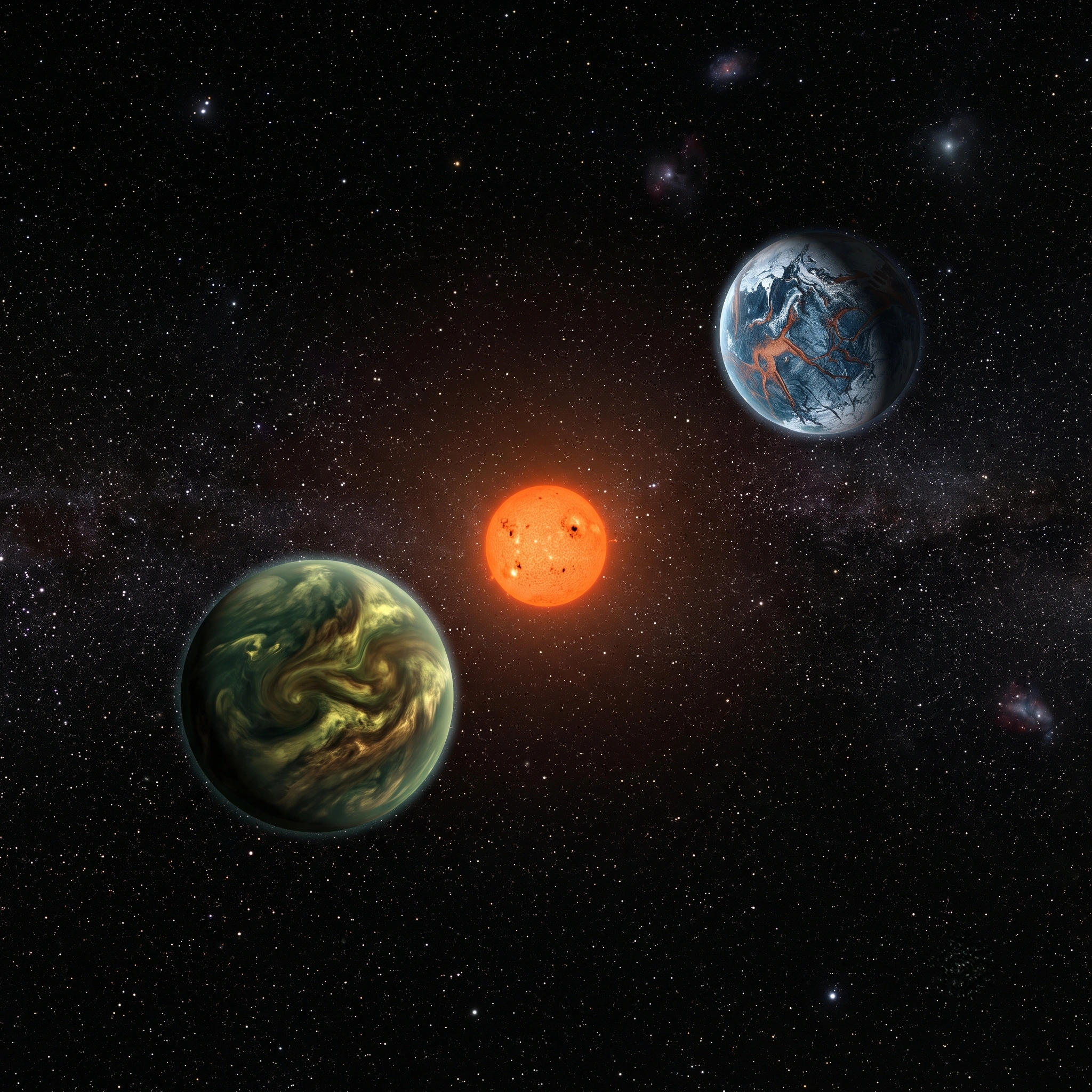
Teegarden's Star System
The Teegarden star system is a nearby planetary system located 12.5 light-years from the Sun. It consists of one old red dwarf star and two confirmed rocky exoplanets, b and c. Both planets are in the habitable zone, making the system key to the search for extraterrestrial life.
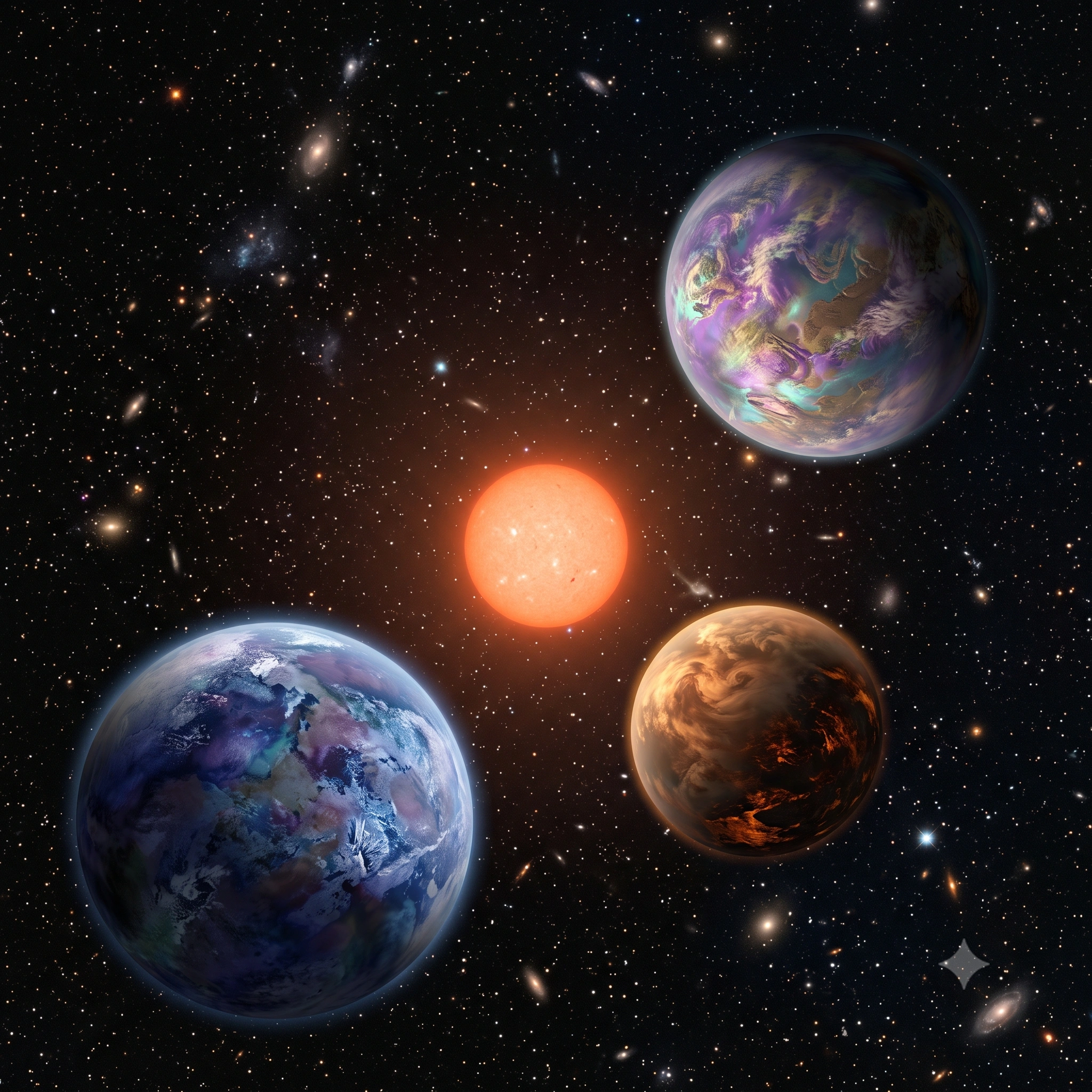
Wolf 1061
The Wolf 1061 star system is located in the constellation Ophiuchus at a distance of approximately 14 light-years from Earth and is a compact system consisting of a single central star and a confirmed multi-planet architecture of three known exoplanets, whose orbits have been studied using radial velocity methods.
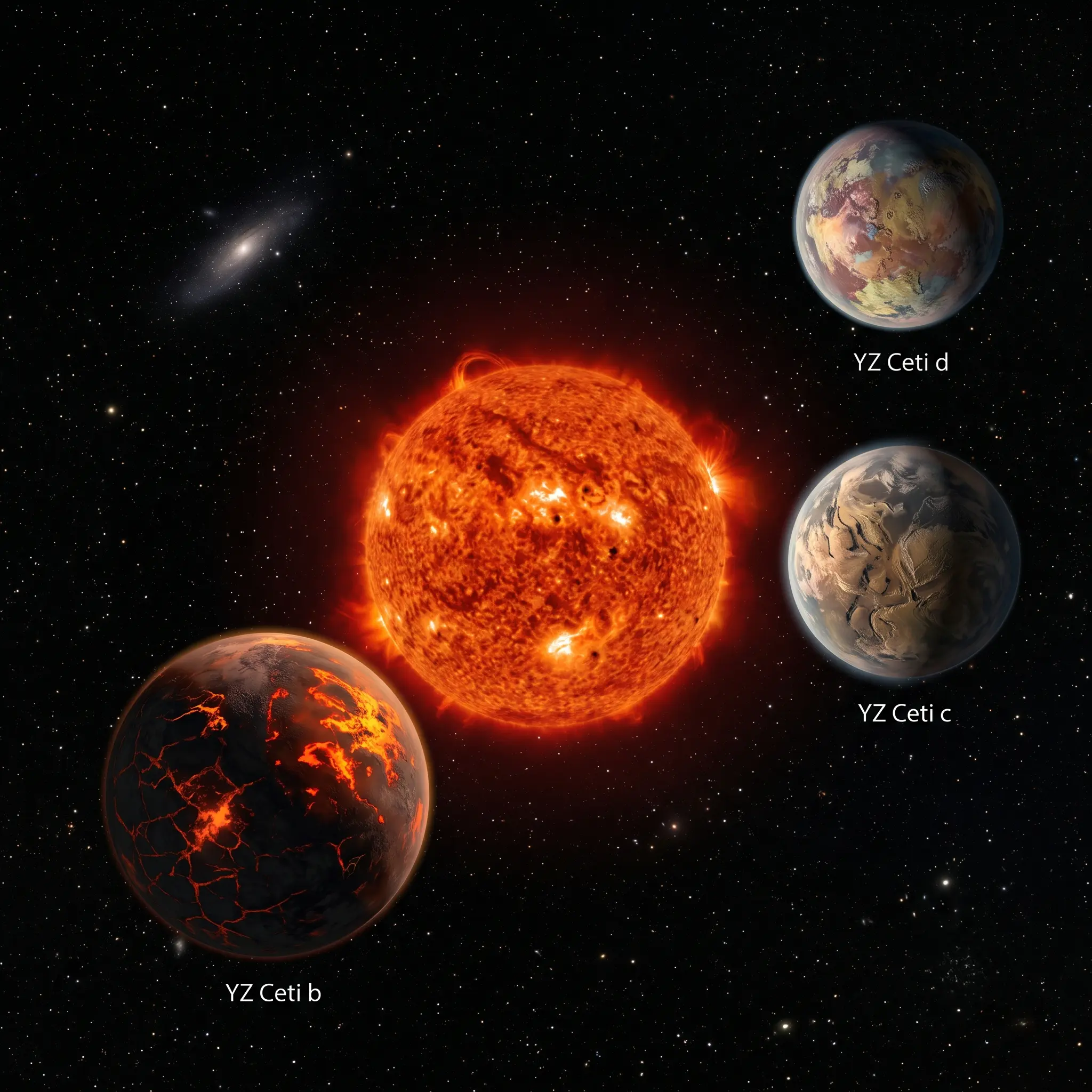
YZ Ceti
The YZ Ceti system, located 12 light-years from Earth, is a compact red dwarf system with at least three confirmed rocky exoplanets orbiting in extremely close orbits. It serves as a unique laboratory for studying the formation and evolution of Earth-like planets in the harsh environment created by the activity of their parent star.
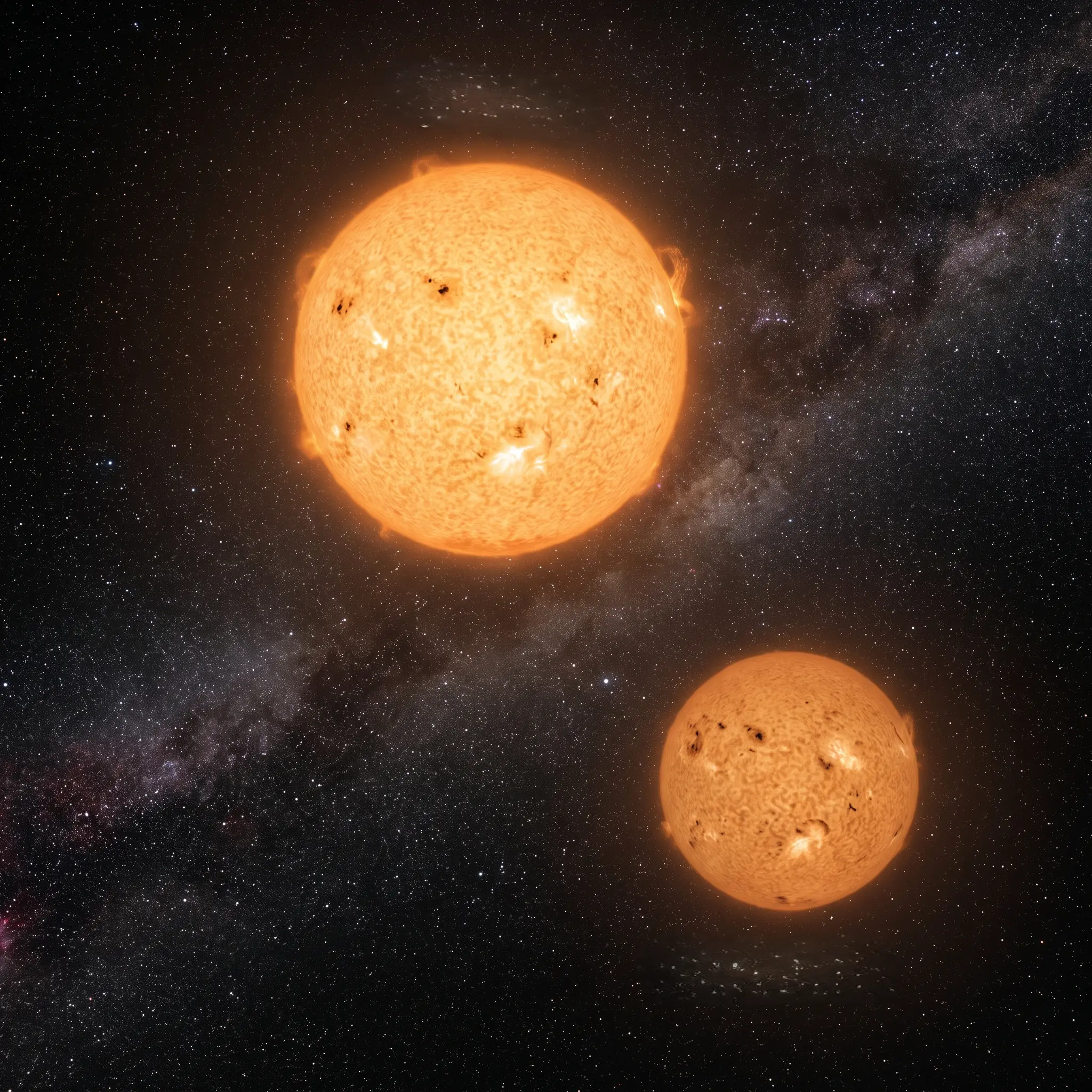
61 Cygni
The 61 Cygni star system is a visual binary star located approximately 11.4 light-years from our Sun in the constellation Cygnus. It consists of two stars orbiting a common center of mass with an orbital period of approximately 722 years.
Tau Ceti
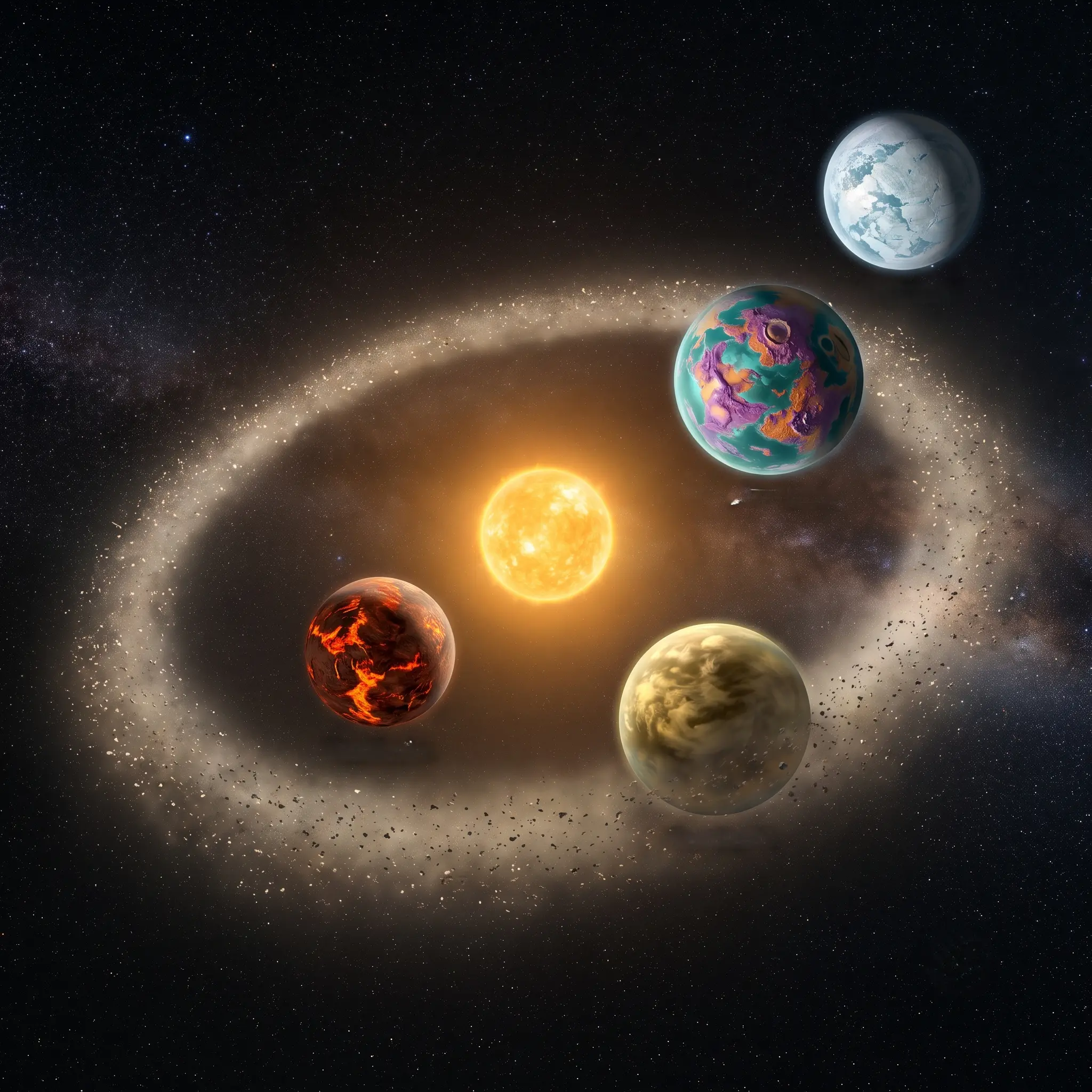
The Tau Ceti star system is located 11.9 light-years from Earth in the constellation Cetus. It resembles our solar system in many ways, but it is distinguished by a massive dust disk of asteroids and comets, which is significantly denser and more massive than our own Kuiper Belt.
GJ 1061
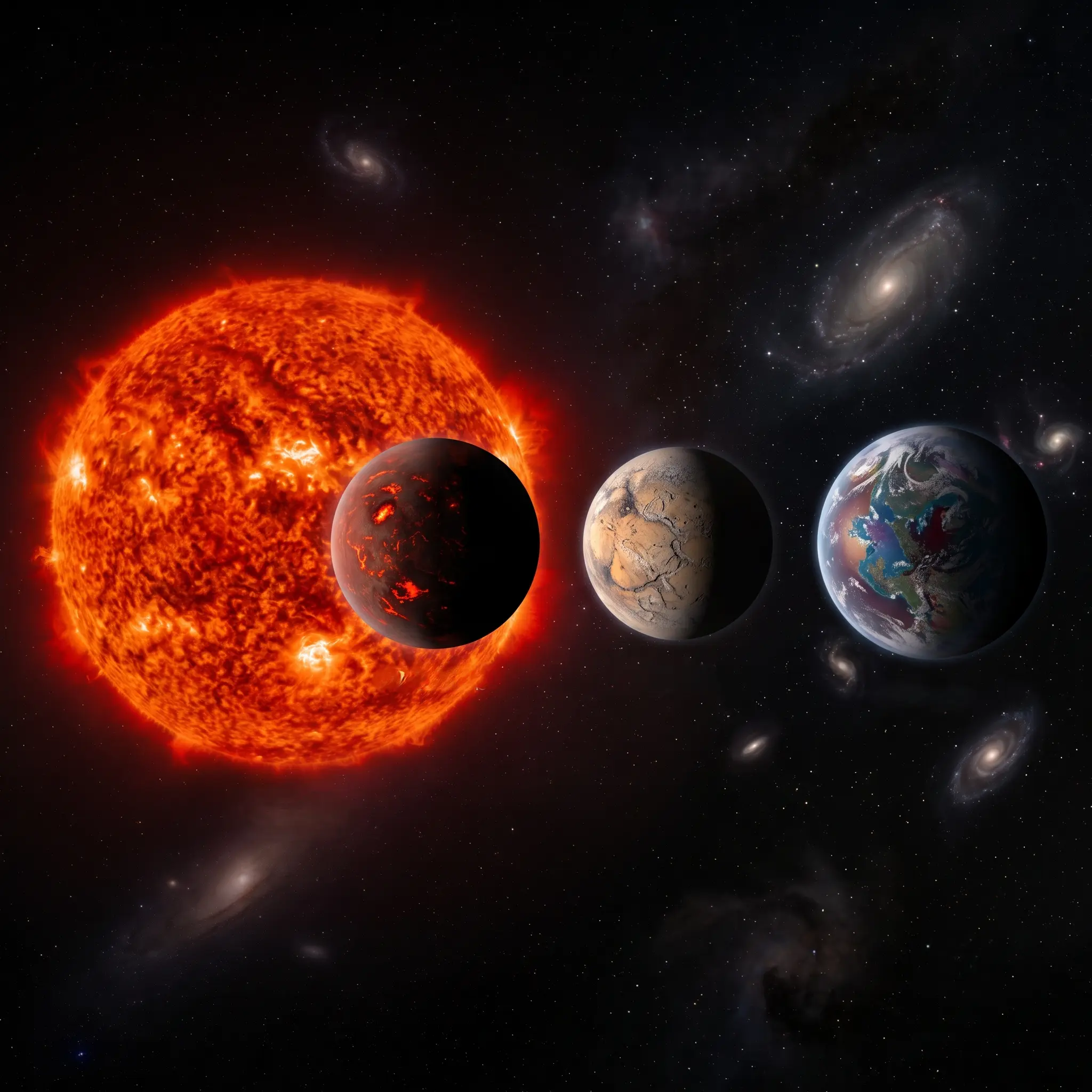
The star system GJ 1061 is located approximately 12 light-years from Earth in the southern constellation Horologium (Horse). It is a compact planetary system. It has attracted considerable attention from the scientific community due to the presence of several Earth-sized exoplanets orbiting close to the star.

Struve 2398
It is a wide binary star system consisting of two gravitationally bound stars orbiting a common center of mass. They are located at a significant distance from each other against the backdrop of the dense stellar disk of our galaxy, the Milky Way, visible in the sky.
Kapteyn's Star System
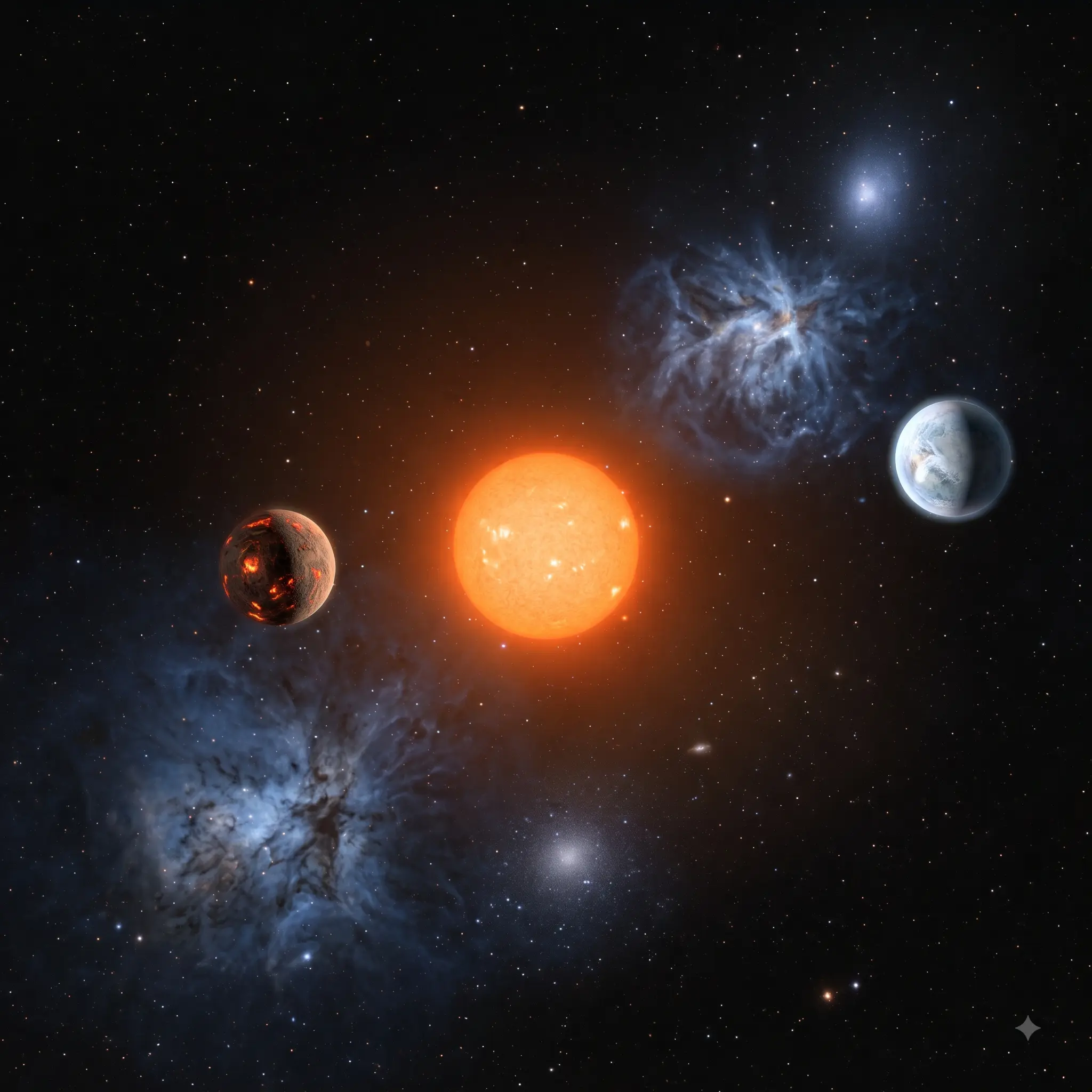
The Kapteyn's Star (VZ Pictoris) star system is an unusually old planetary system located just 12.8 light-years away. It is distinguished by its origin in the Milky Way's halo and its retrograde motion, making it a unique object for studying the evolution of ancient planetary worlds.
GJ 876
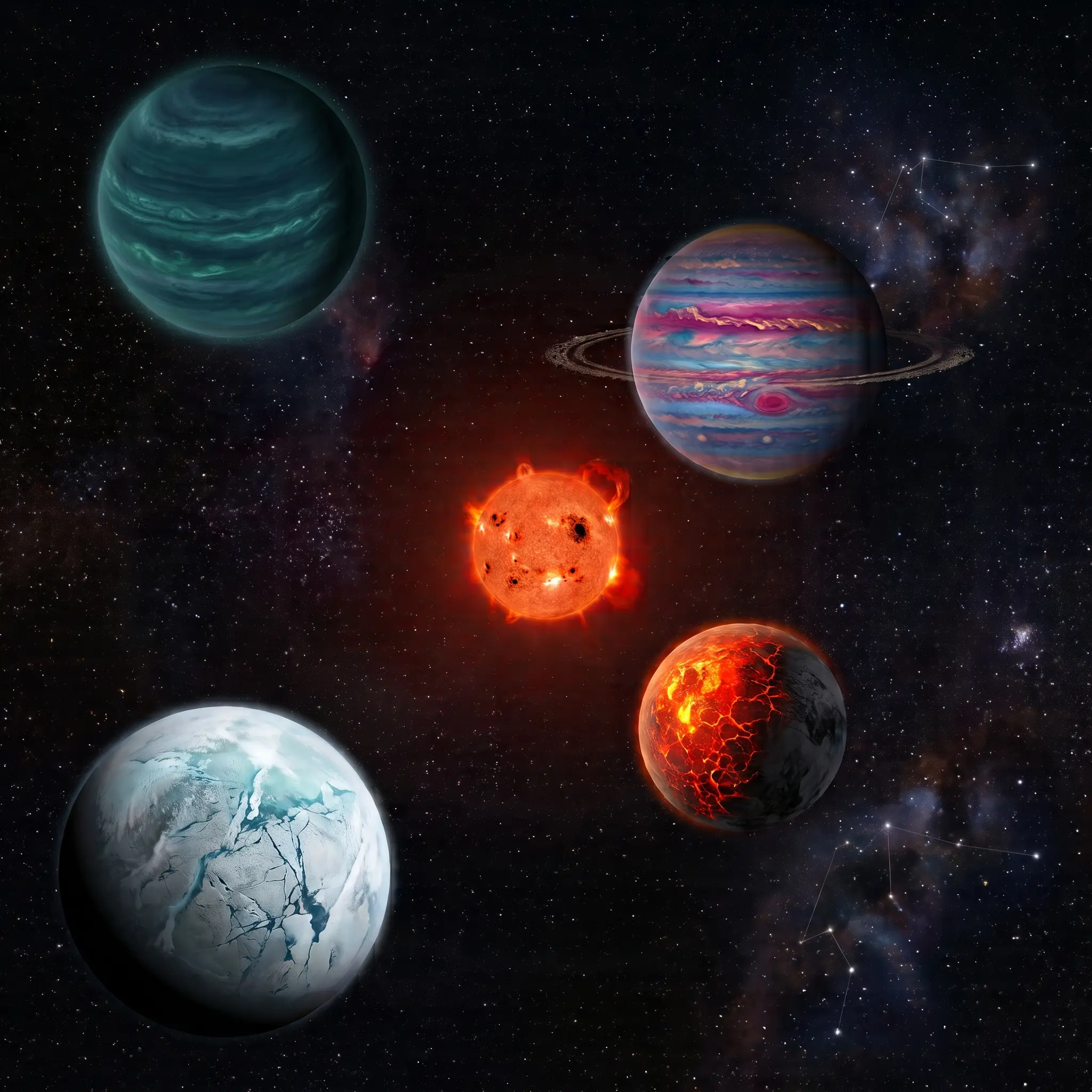
The GJ 876 system, located in the constellation Aquarius at a distance of approximately 15 light-years from Earth, is a unique planetary system. It is notable for the fact that three of its four known planets are in a rare 1:2:4 Laplace resonance, which ensures gravitational stability.
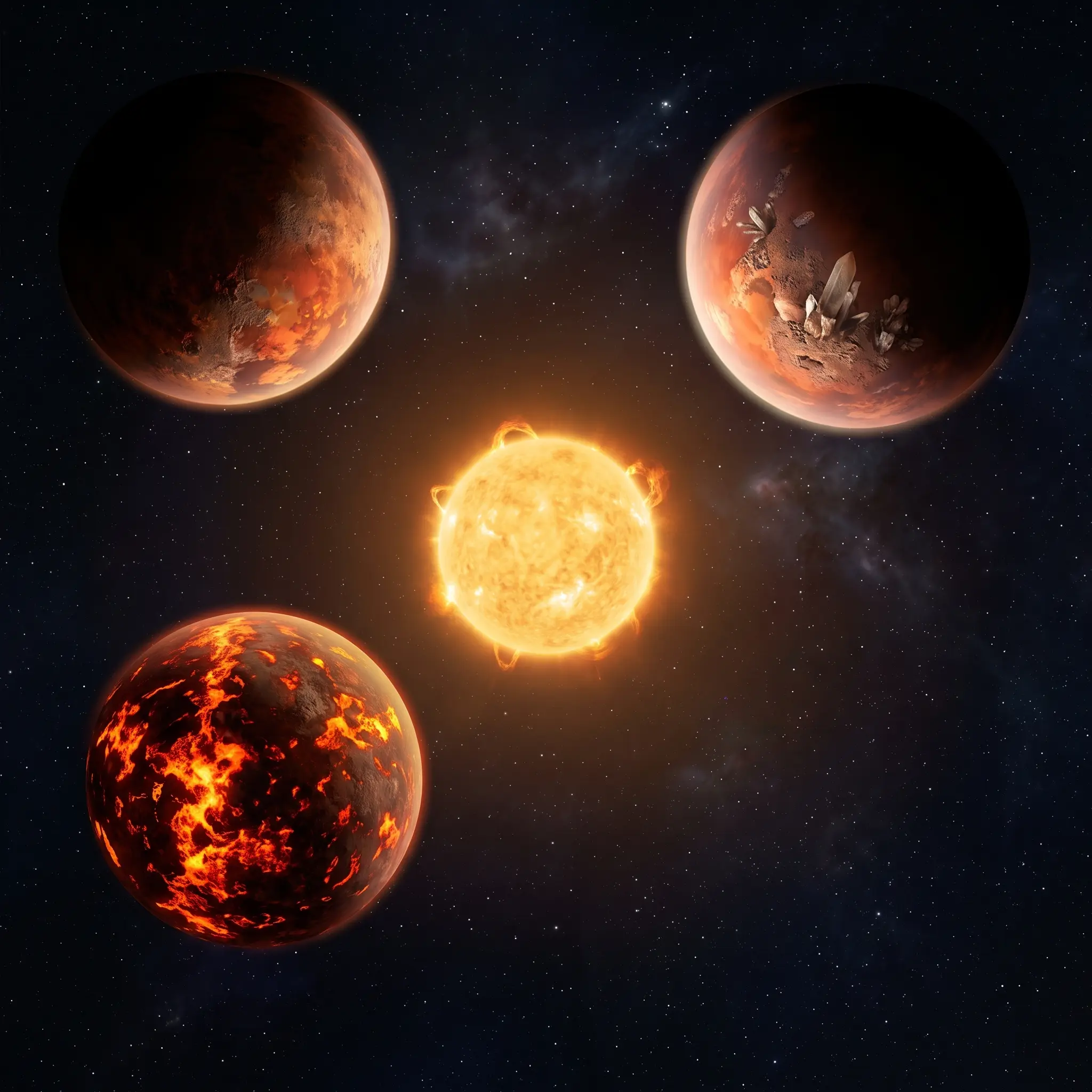
82 G. Eridani
The 82 G. Eridani star system, located in the constellation Eridanus at a distance of approximately 20 light-years from Earth, is a compact planetary structure. This ancient system includes a central star, a massive dust disk, and at least three confirmed super-Earth exoplanets.

Kruger 60
The Kruger 60 star system is a close binary system of red dwarfs located approximately 13 light-years from the Sun in the constellation Cepheus. The two components orbit their common center of mass in an eccentric orbit every 44.6 years.

Gliese 581
The Gliese 581 system is located in the constellation Libra, approximately 20 light-years from the Sun. It consists of a central red dwarf and at least three confirmed exoplanets (b, c, and e). This system was long considered a leading candidate for life due to reports of planets in the "habitable zone," but the existence of some of these (d and g) was later disproved.
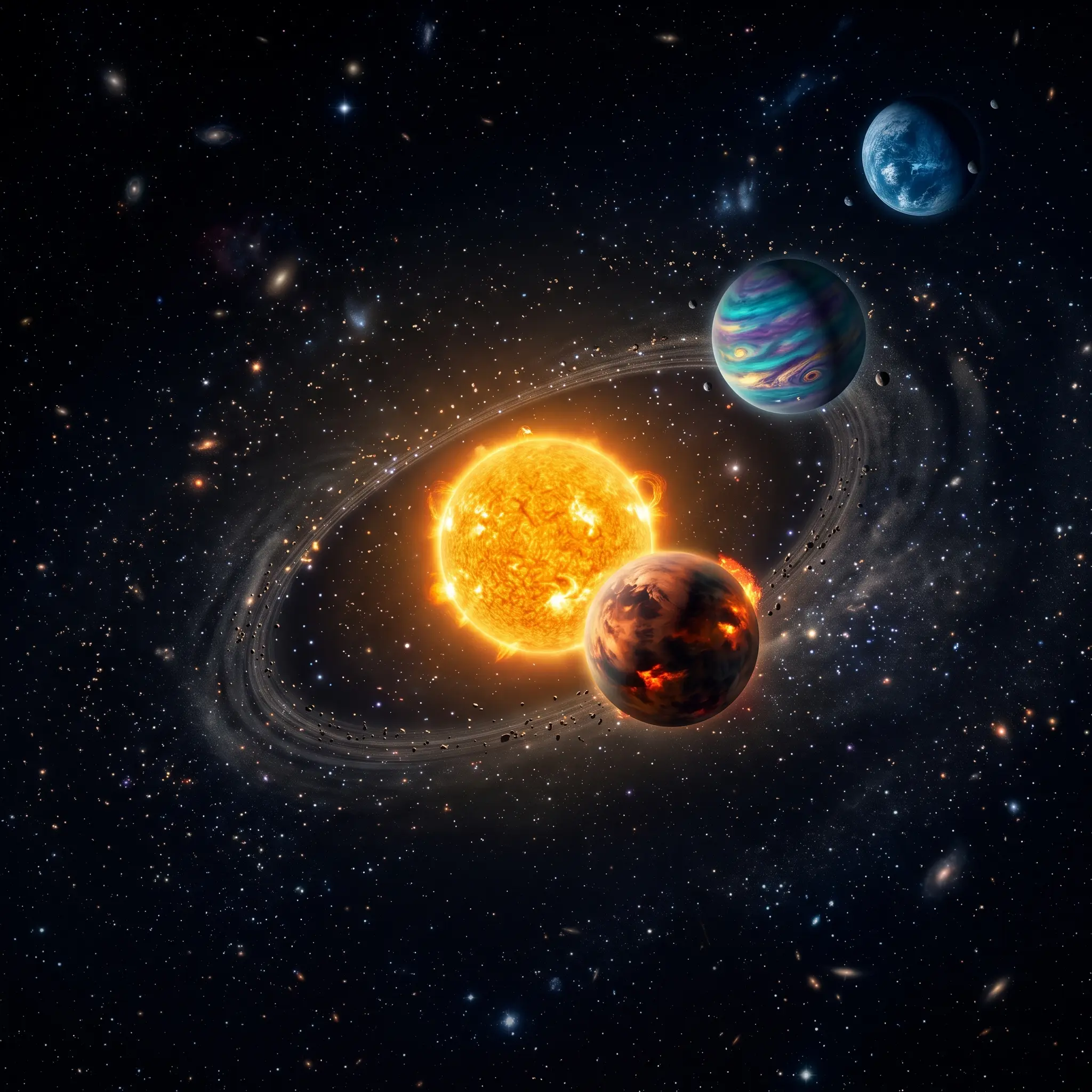
61 Virginis
The 61 Virginis star system is located approximately 27.8 light-years away in the constellation Virgo. This remarkable system contains one Sun-like star, three confirmed exoplanets, and a massive debris disk.
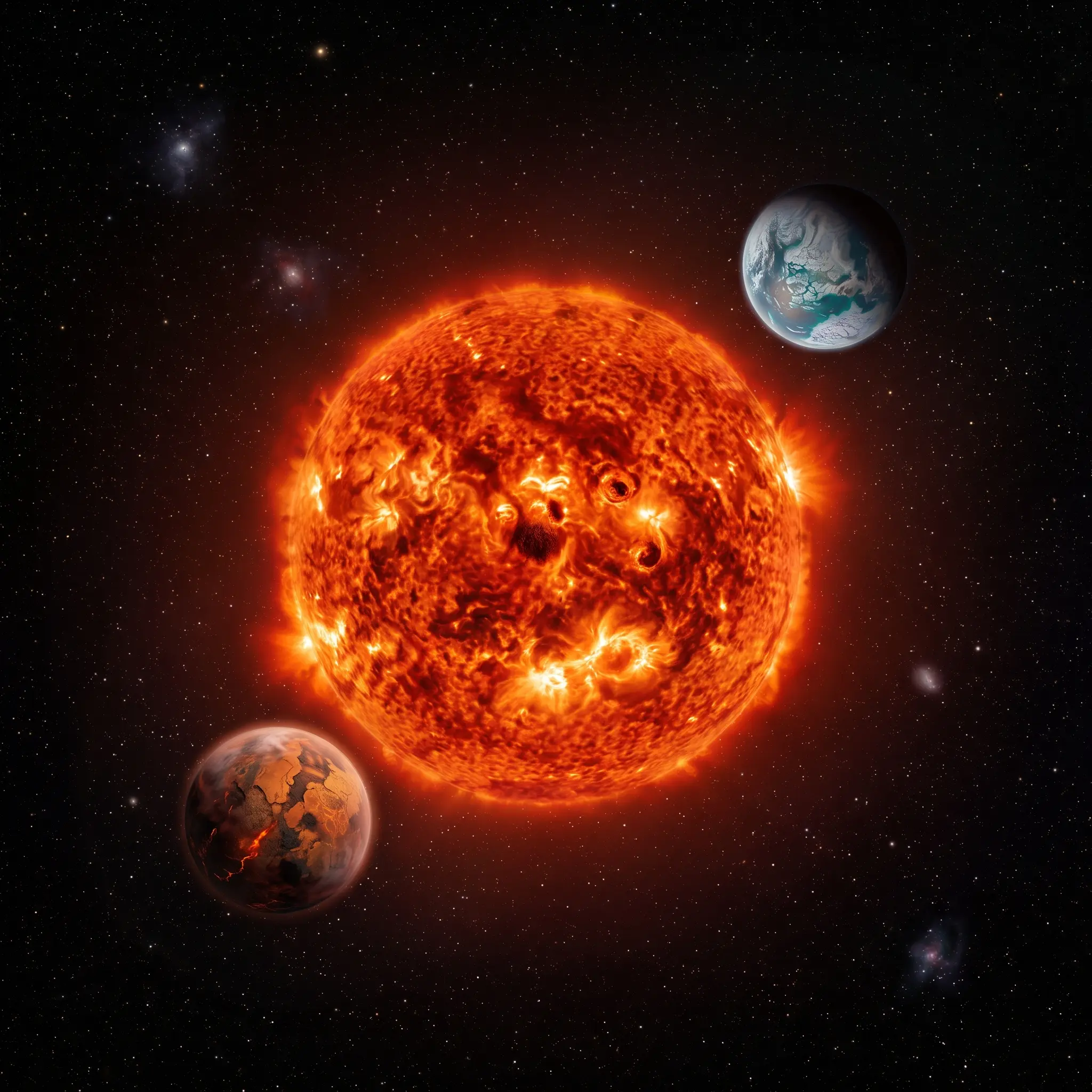
LHS 1140
This system, located 49 light-years away, is a prime target for the exploration of potentially habitable exoplanets. Its relative proximity makes it ideal for detailed studies of the atmospheres of its planets using modern ground-based and space-based telescopes.
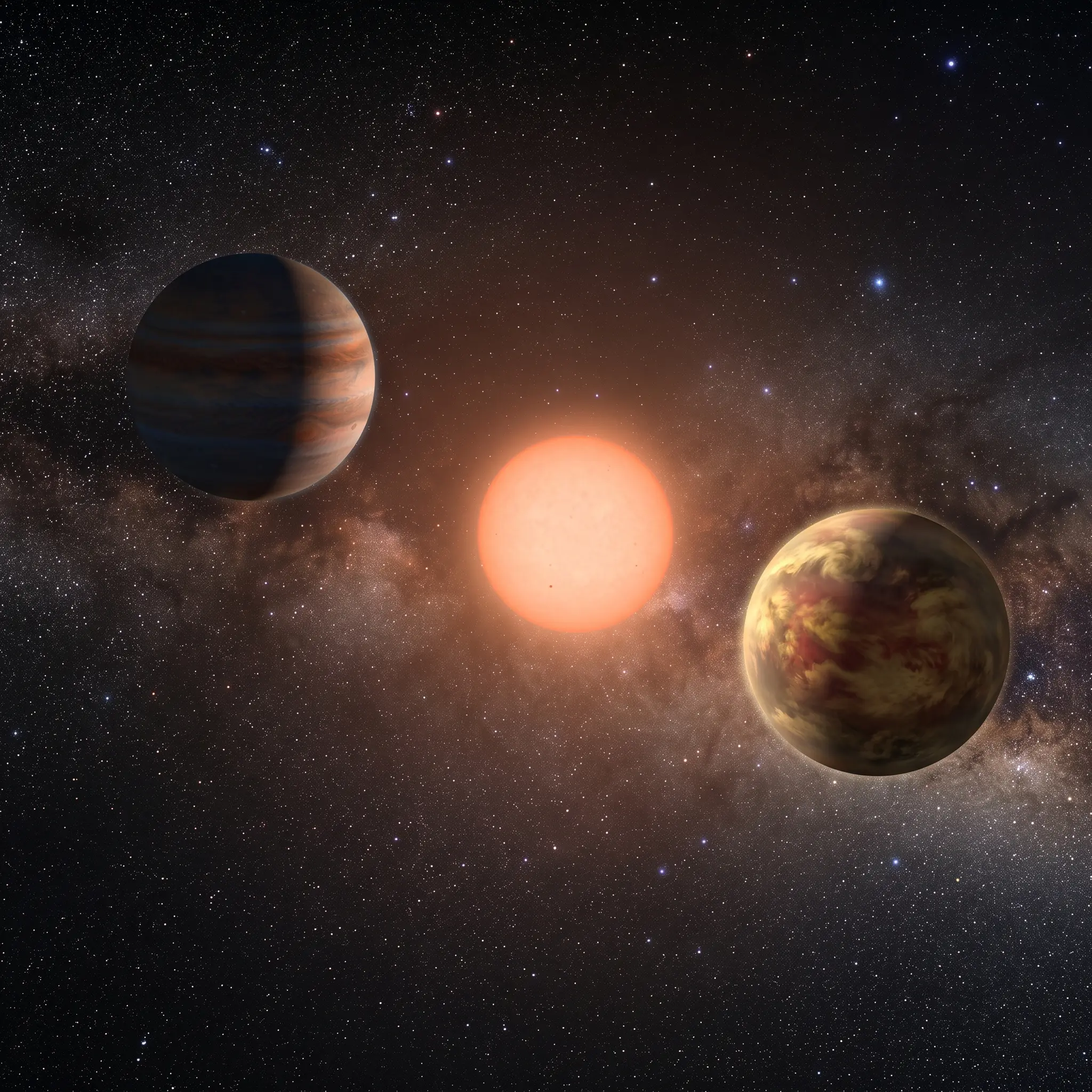
Gliese 832
Gliese 832 is a near-Earth planetary system located in the constellation Grus at a distance of approximately 16.1 light-years. It has attracted considerable attention from astronomers due to the presence of two very different exoplanets and its dynamic stability, which allows for detailed studies of the evolution of planetary systems around small stars.
Gliese 687
The Gliese 687 star system is located in the constellation Draco, approximately 14.8 light-years from our solar system. It has a high proper motion and contains one red dwarf star and two confirmed exoplanets. This system is actively studied by astronomers due to its proximity to Earth.
Ross 458
The Ross 458 star system, also known as DT Virginis, is a binary system located in the constellation Virgo, approximately 37.6 light-years from Earth. This relatively young system contains two central stars and one massive circumbinary object in a very wide orbit.
Ross 614
The Ross 614 (V577 Monocerotis) star system is a binary star located approximately 13.4 light-years from Earth in the constellation Monoceros. This system consists of two gravitationally bound low-mass stars orbiting a common center of mass with a period of 16.6 years.
HD 189733
HD 189733 is a binary star system located approximately 64.5 light-years from Earth in the constellation Vulpecula. This gravitationally bound system consists of two stars of different types and masses, and also contains a well-studied hot gas giant.
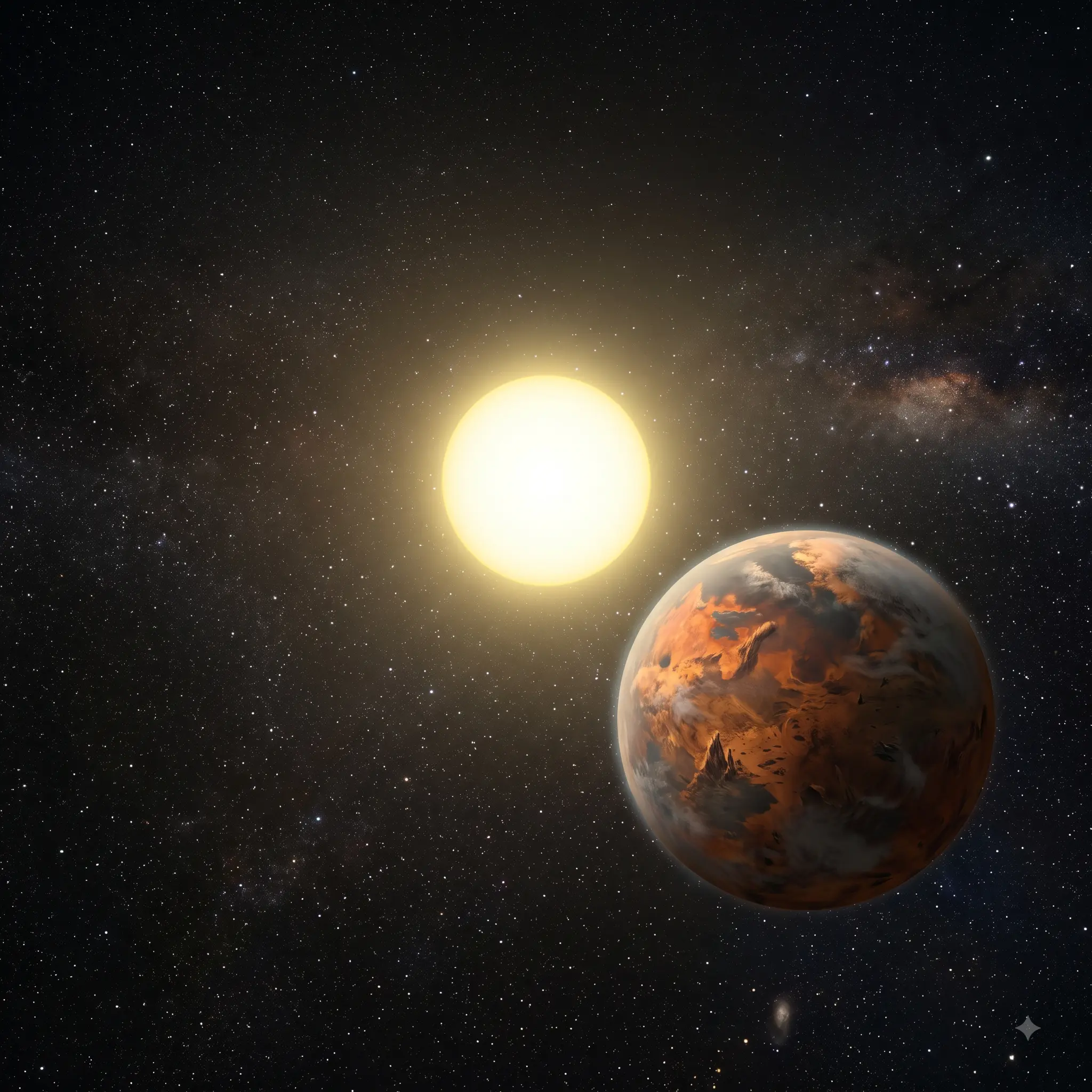
Kepler-452
The Kepler-452 star system is located in the constellation Cygnus, approximately 1,800 light-years from Earth. It has attracted considerable attention from astronomers due to its striking similarities to our solar system. At its center is a single star orbited by an exoplanet in the habitable zone.
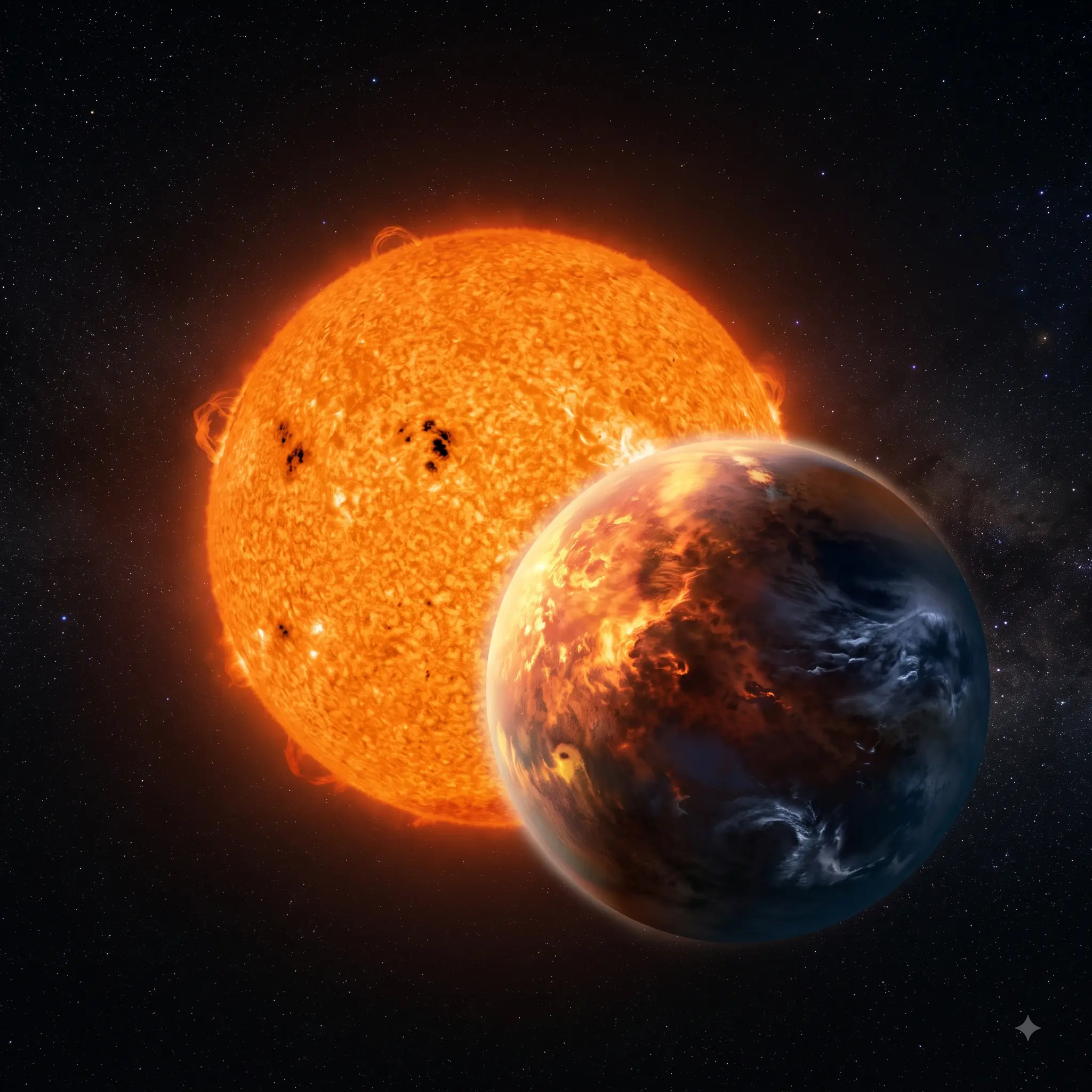
WASP-43
The WASP-43 star system is located in the constellation Sextans, approximately 280 light-years from Earth. It consists of a single central star and a large gas giant. The system is distinguished by its planet's incredibly compact orbit, making it a convenient target for studying exoplanet atmospheres.

EZ Aquarii
The EZ Aquarii star system, also known as Luyten 789-6, is a multiple star system located approximately 11.1 light-years from Earth in the constellation Aquarius. It consists of three gravitationally bound dim red dwarf stars, whose combined mass is very low.
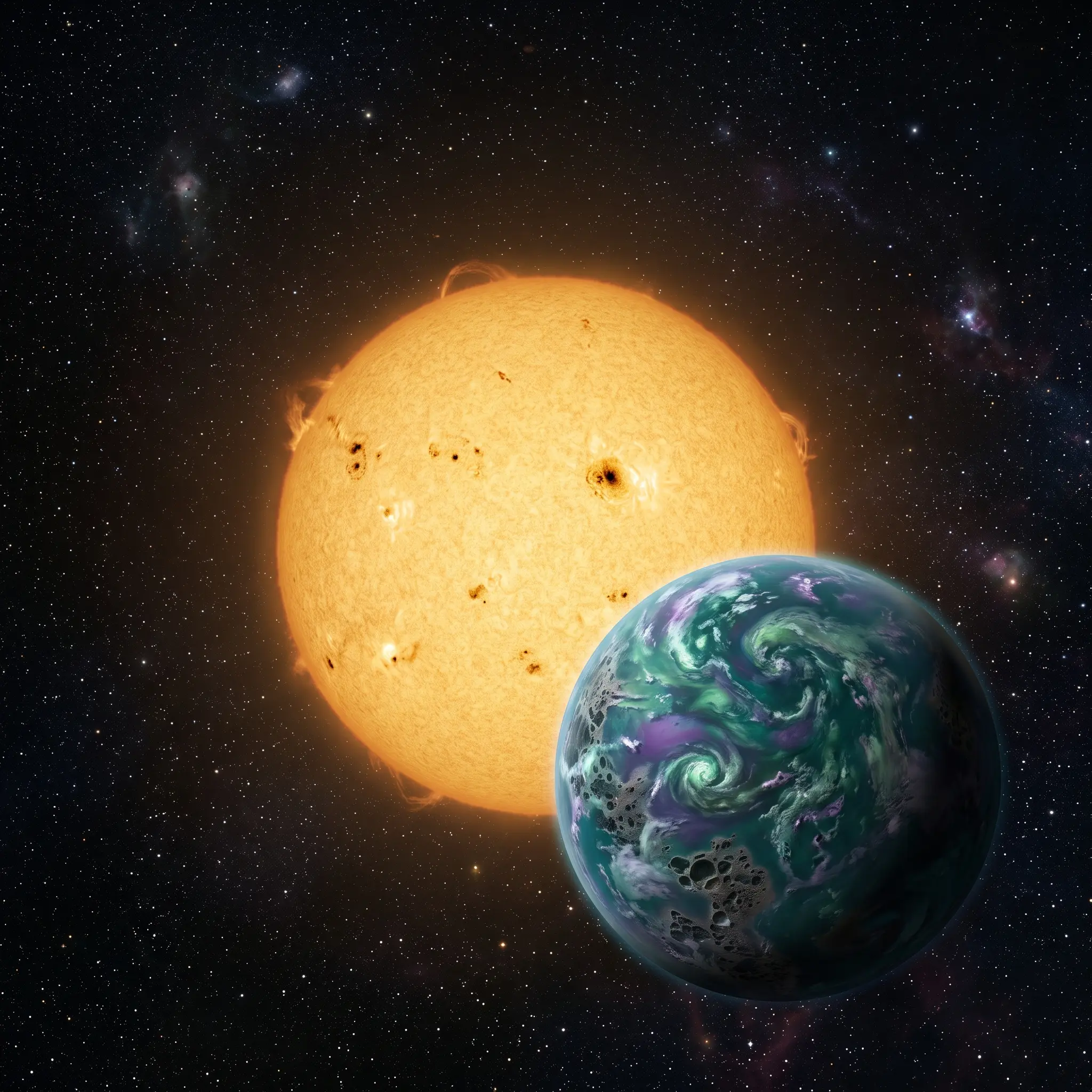
Kepler-22
The Kepler-22 system is located approximately 620 light-years from Earth in the constellation Cygnus. It consists of a single star very similar to our Sun and at least one confirmed exoplanet, Kepler-22b, which was the first planet discovered by the Kepler telescope in the habitable zone of a main-sequence star.

WASP-39
The WASP-39 system is located in the constellation Virgo, approximately 700 light-years from Earth. It is a compact planetary system in which only one massive gaseous object has been confirmed to exist, orbiting at an extremely close distance from its star.