Planets
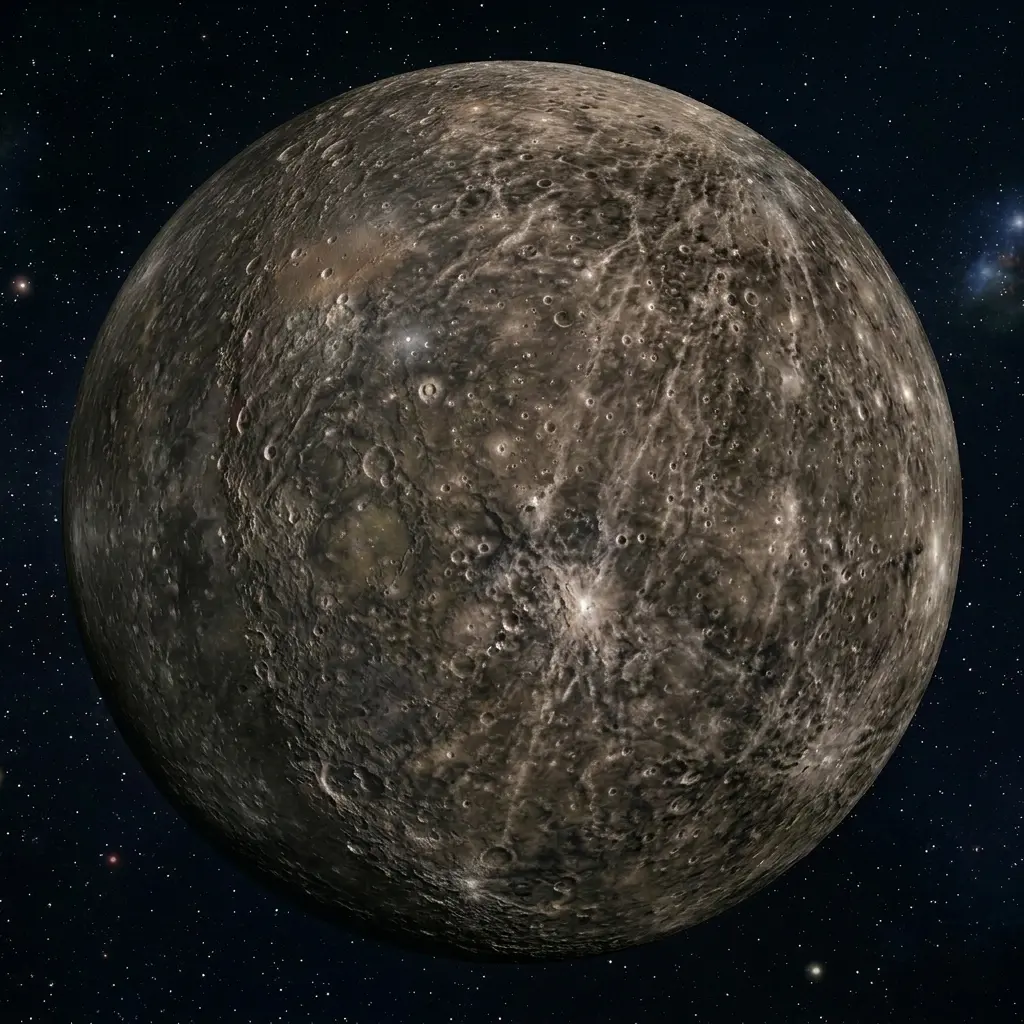
Mercury
The smallest and fastest planet, scorched by the Sun.
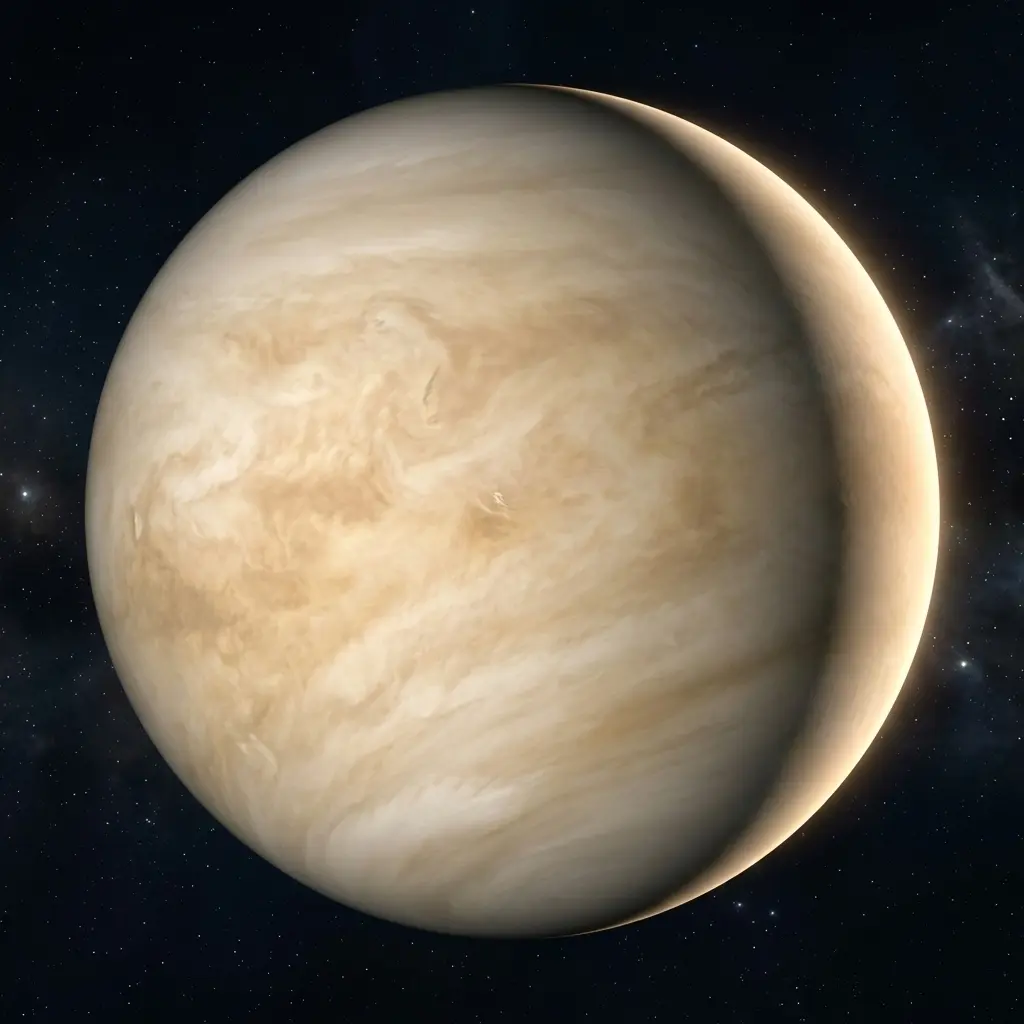
Venus
Earth's "sister" with an extremely dense atmosphere and greenhouse effect.
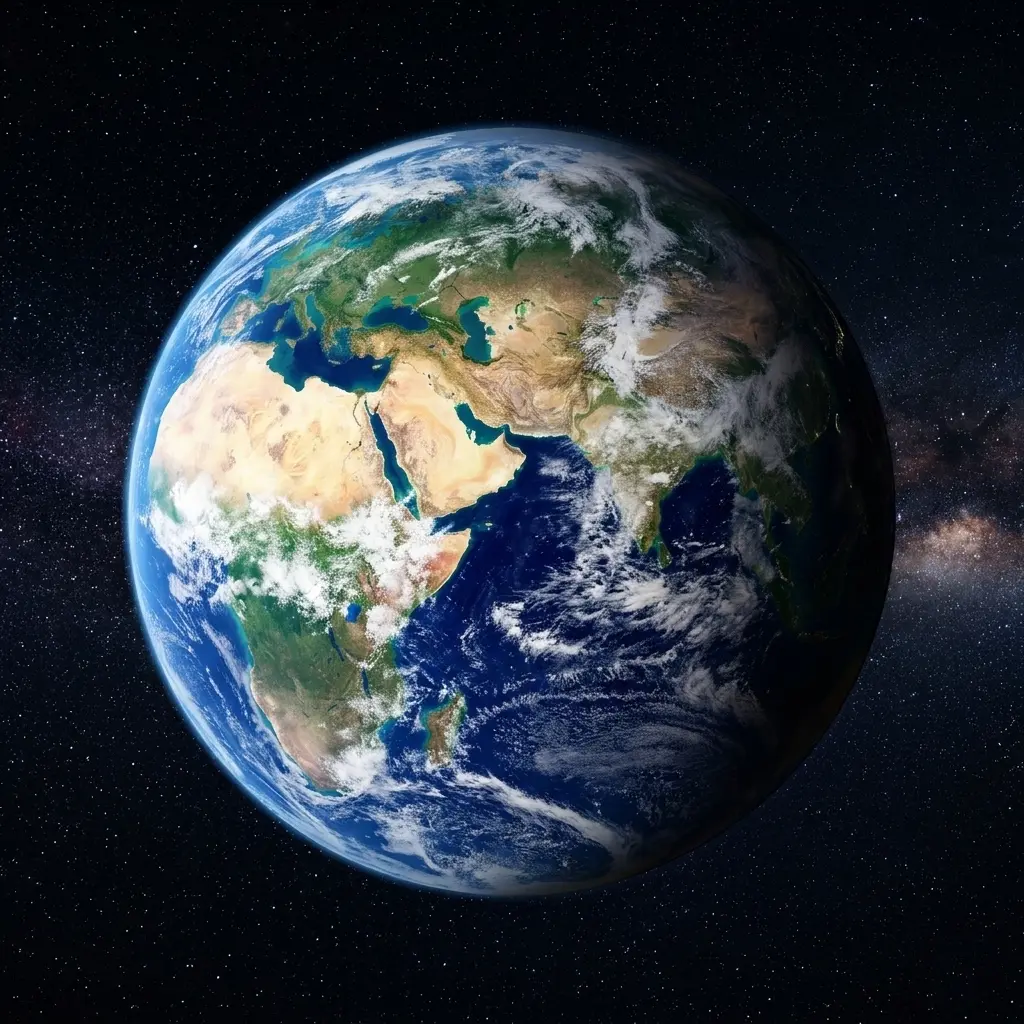
Earth
The only known inhabited planet.
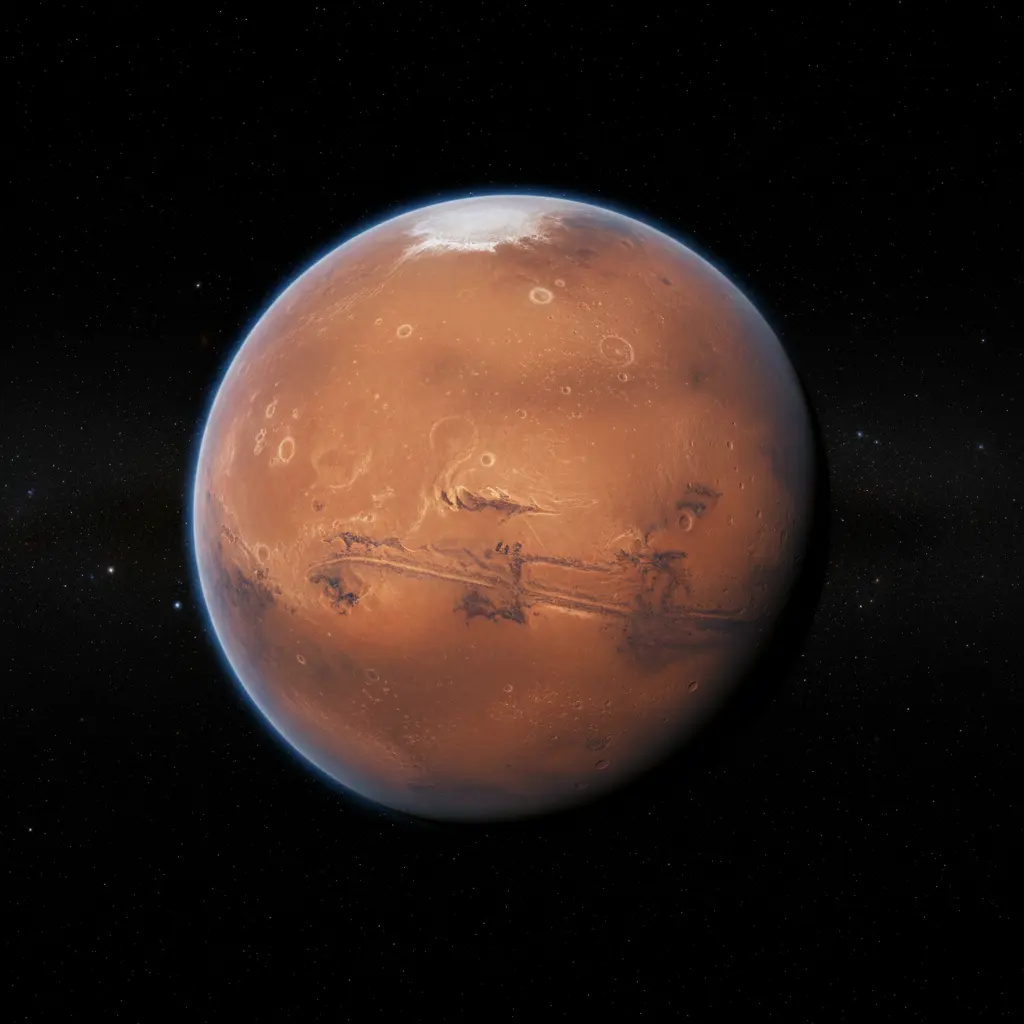
Mars
The "Red Planet" with a thin atmosphere and traces of ancient water.
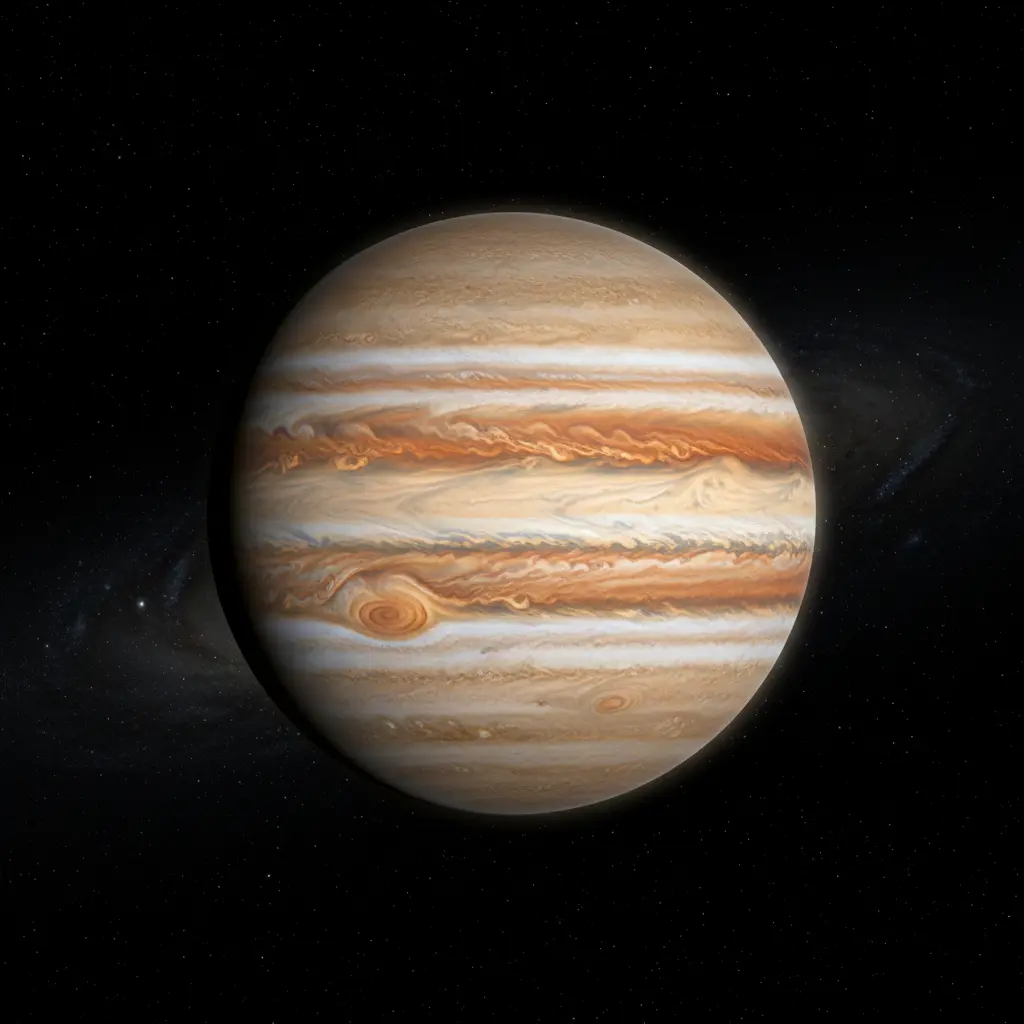
Jupiter
The largest planet in the system, a gas giant.
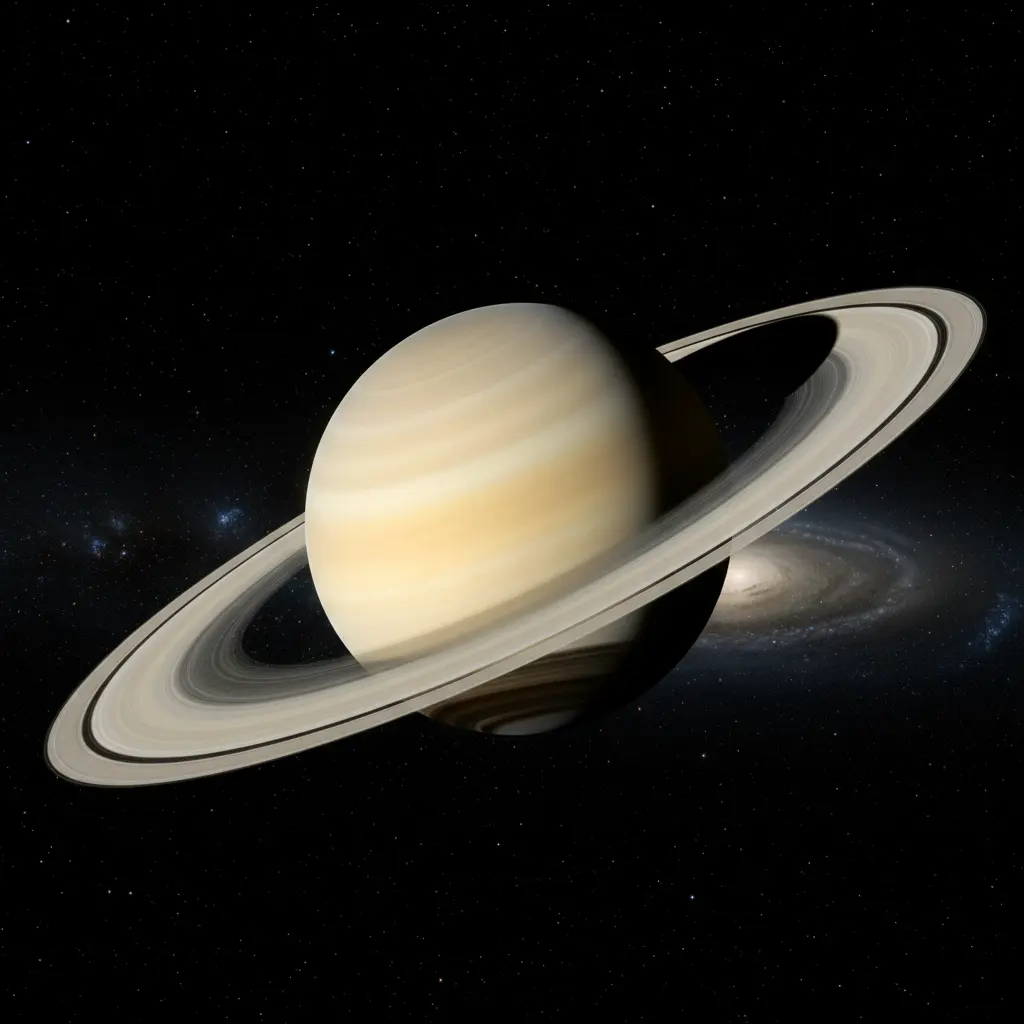
Saturn
A gas giant famous for its complex ring system.
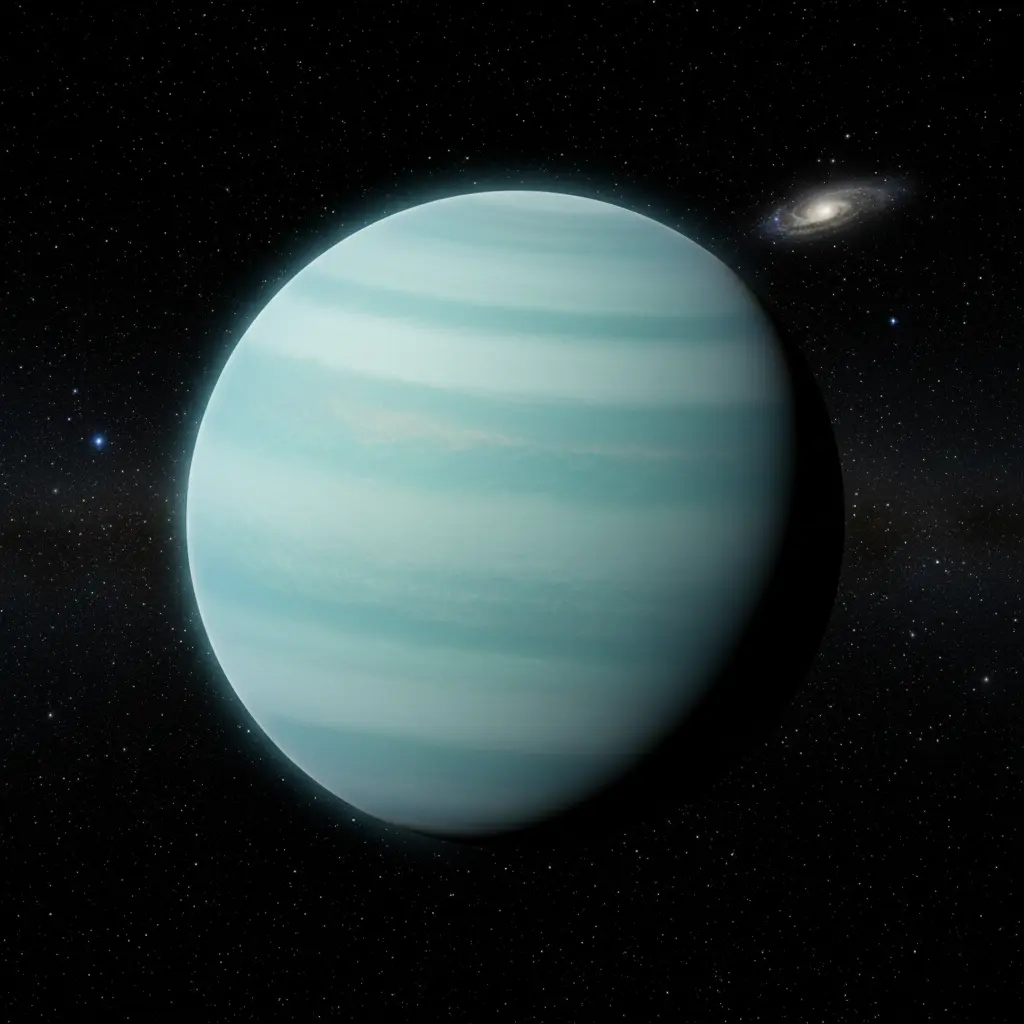
Uranus
An ice giant that rotates on its side.
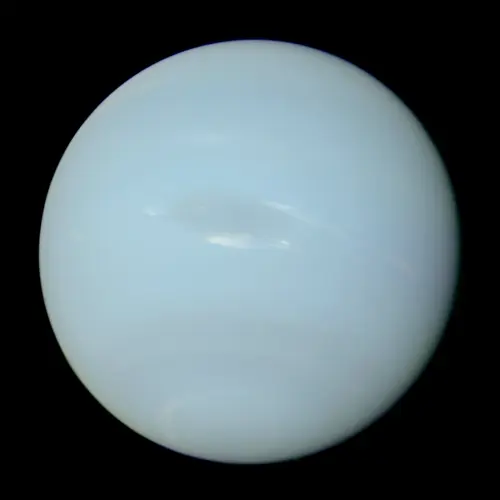
Neptune
A distant ice giant with the strongest winds.
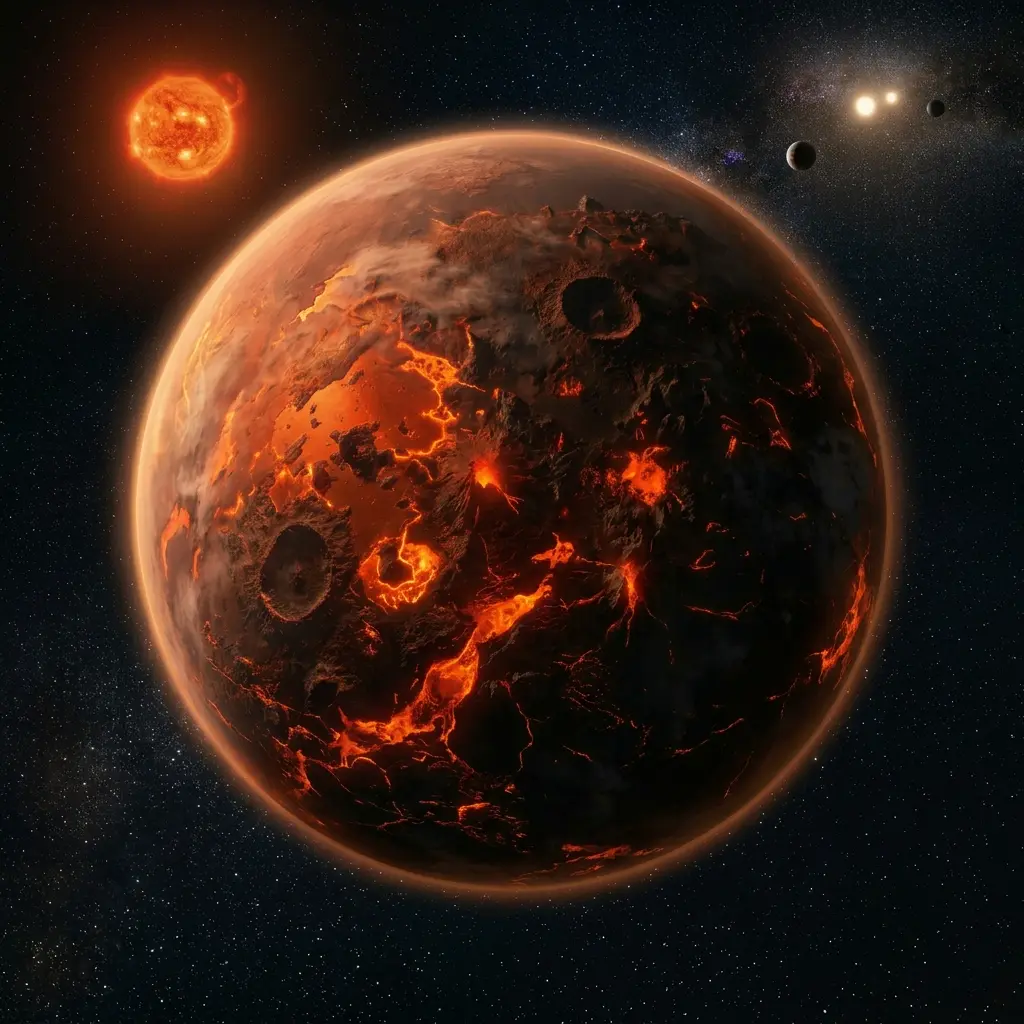
Proxima d
Proxima Centauri d is the third exoplanet discovered in the system of our nearest neighboring star, the red dwarf Proxima Centauri. It is located just 4.2 light-years from Earth.
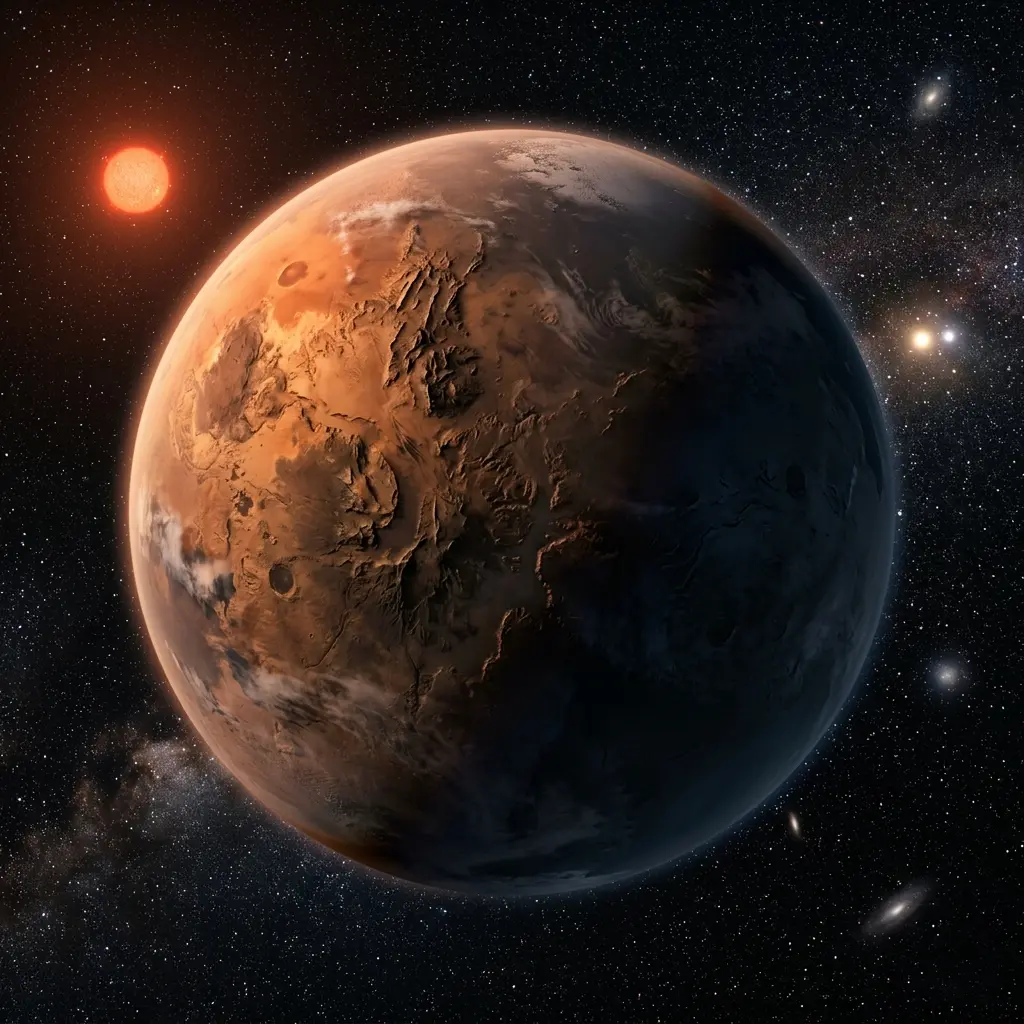
Proxima b
Proxima Centauri b is the closest exoplanet to Earth, and is rightfully considered a "second Earth." It is located just 4.2 light-years away. Proxima b's most striking feature is its location. It lies within its star's habitable zone. This means that the heat it receives theoretically allows liquid water to exist on its surface.
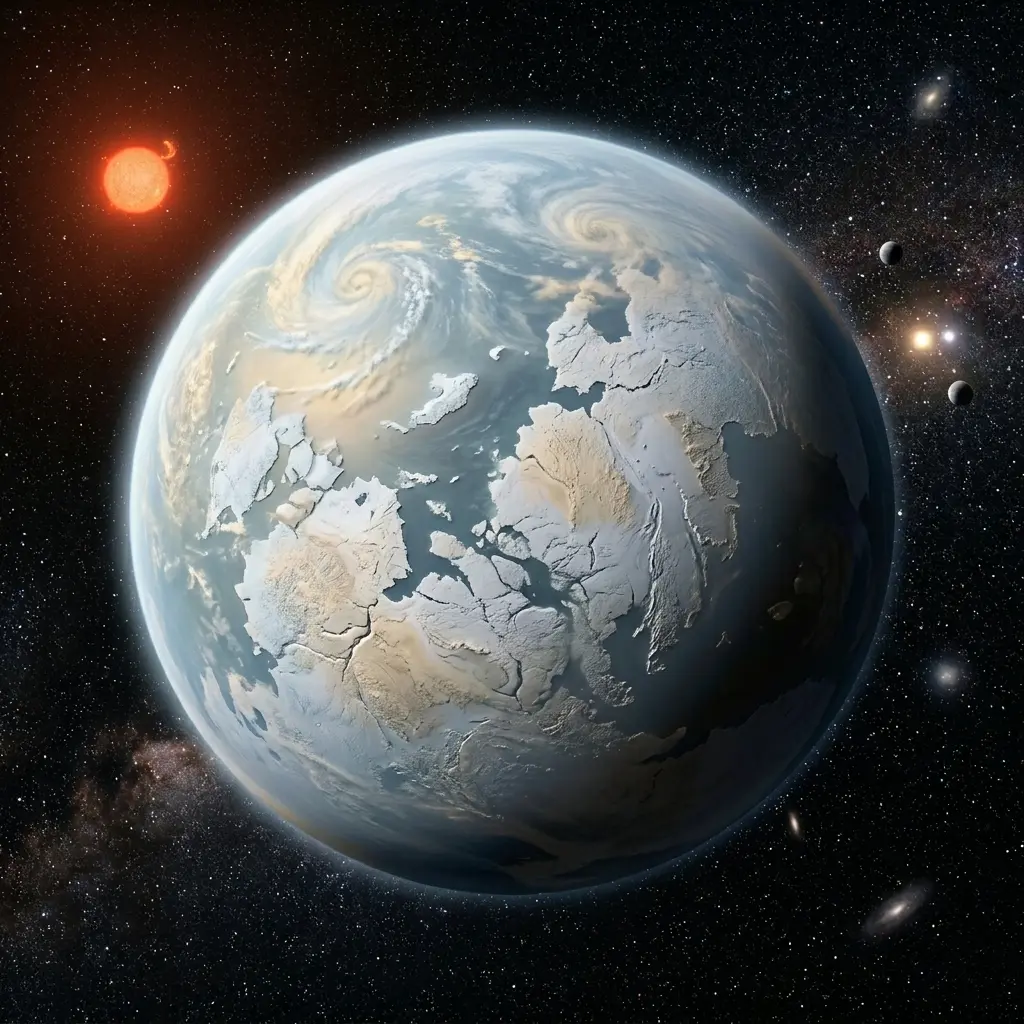
Proxima c
Proxima c is the second planet discovered in the Proxima Centauri system, and it is very different from its rocky "sisters" (b and d). It is a cold and massive world located on the outskirts of the system.
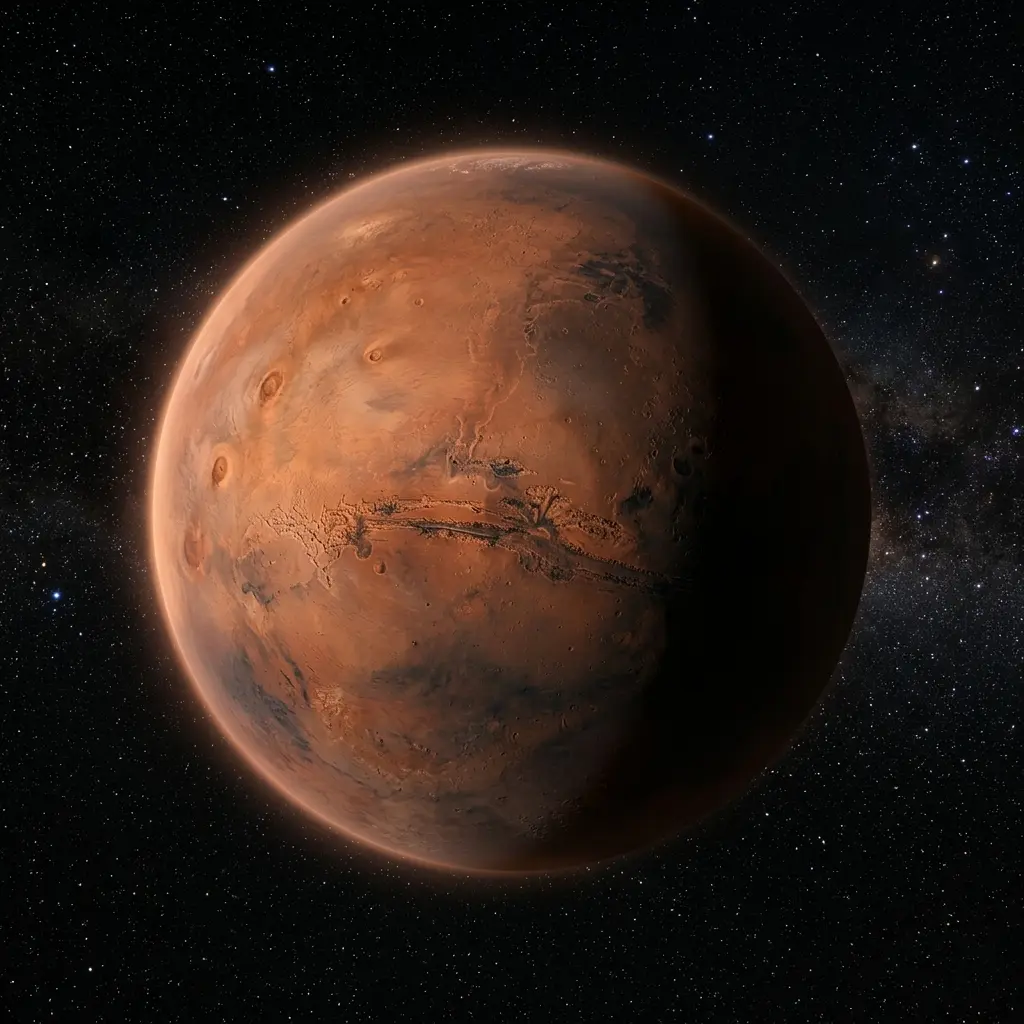
Barnard b
Barnard b is a sub-Earth exoplanet orbiting Barnard's star, a red dwarf star 6 light-years away. Barnard b has a mass about 37% that of Earth and a diameter about 0.7 times smaller than Earth's, making it comparable in size to Mars. Located at an extremely close distance to its star (just 0.023 AU), the planet completes an orbit every 3.15 Earth days, resulting in its surface, devoid of signs of life as we know it, being heated to temperatures of approximately 125–170°C by the powerful radiation from its dim but nearby parent star.