Planets
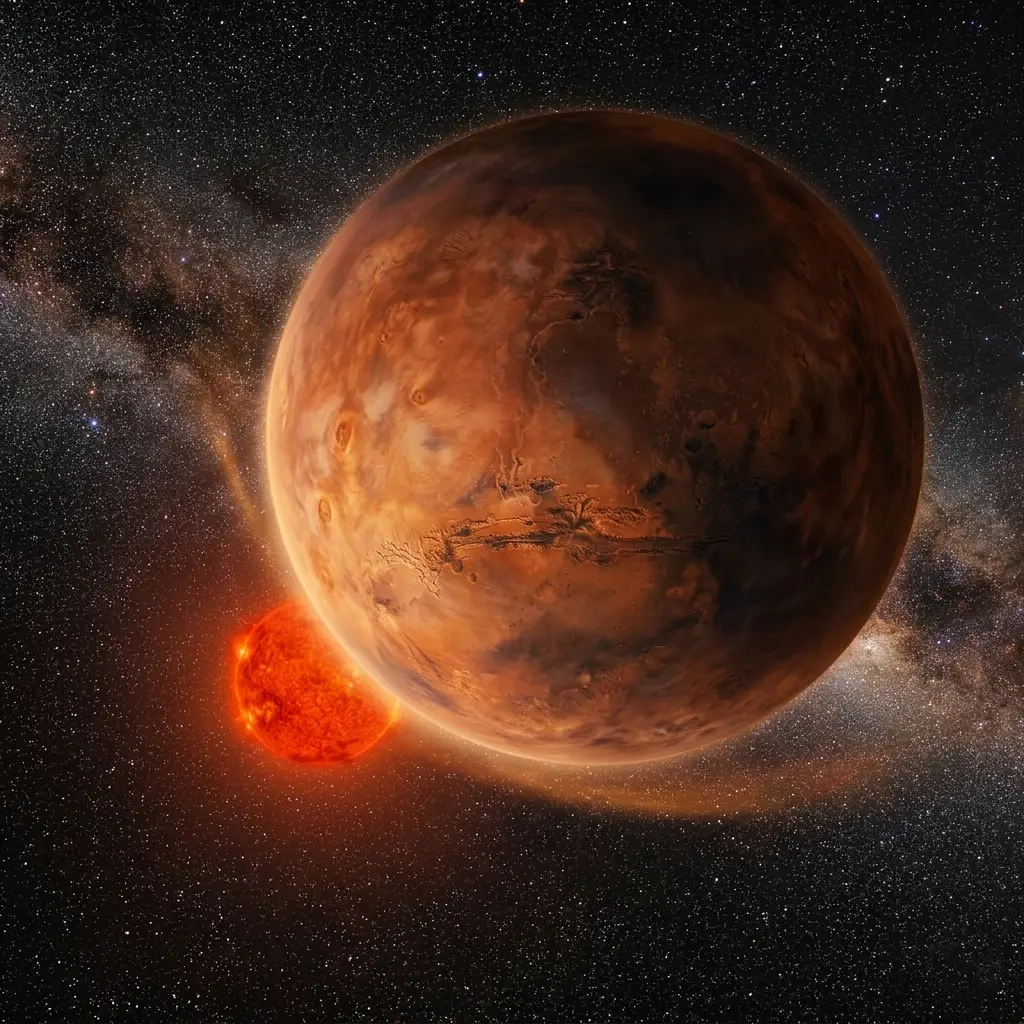
Wolf 359 c
Wolf 359 c is a super-Earth exoplanet orbiting one of the closest and faintest red dwarf stars, Wolf 359, at a distance of 7.8 light-years from Earth. The planet has a mass approximately 3.8 times that of Earth and is extremely close to its star—just 0.018 AU (approximately 2.7 million km), allowing it to complete an orbit in just 2.7 Earth days.
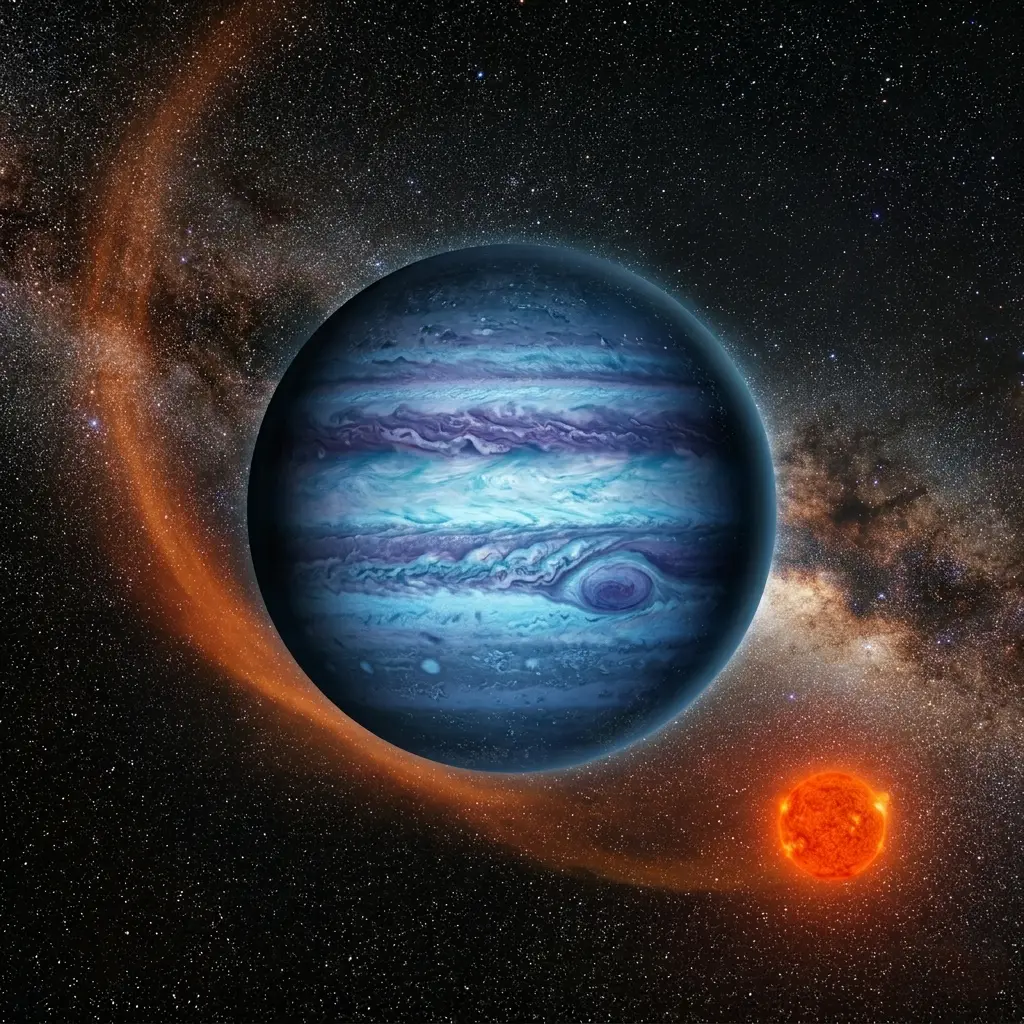
Wolf 359 b
Wolf 359 b is a massive exoplanet classified as a cool "Neptune" or gas giant that orbits the red dwarf star Wolf 359 at a significant distance of approximately 1.8 AU (about 270 million km). With a mass approximately 44 times that of Earth.
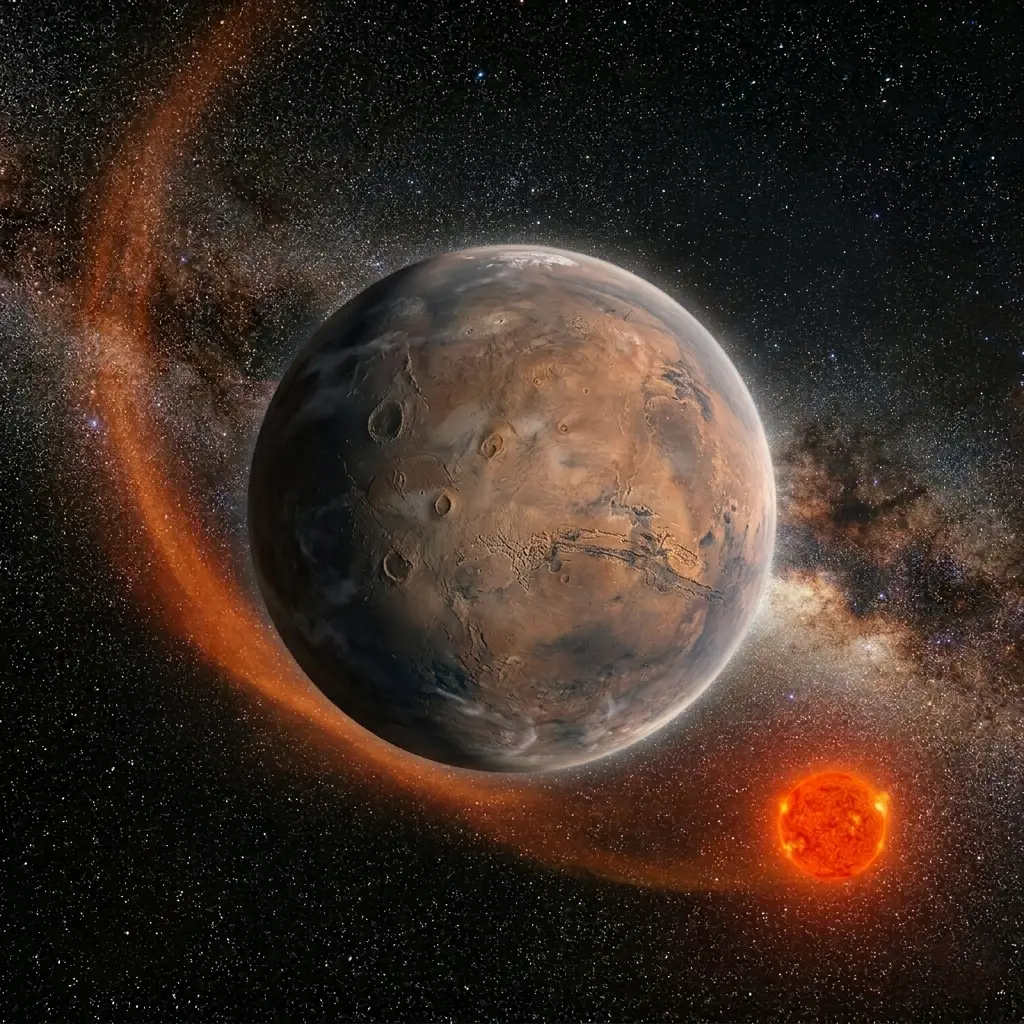
Lalande 21185 b
Lalande 21185 b is an exoplanet classified as a "super-Earth," or massive rocky world, orbiting a red dwarf star in the constellation Ursa Major, located 8.3 light-years from our Solar System. With a minimum mass of approximately 2.7 Earth masses, the planet is extremely close to its parent star—approximately 0.078 AU.
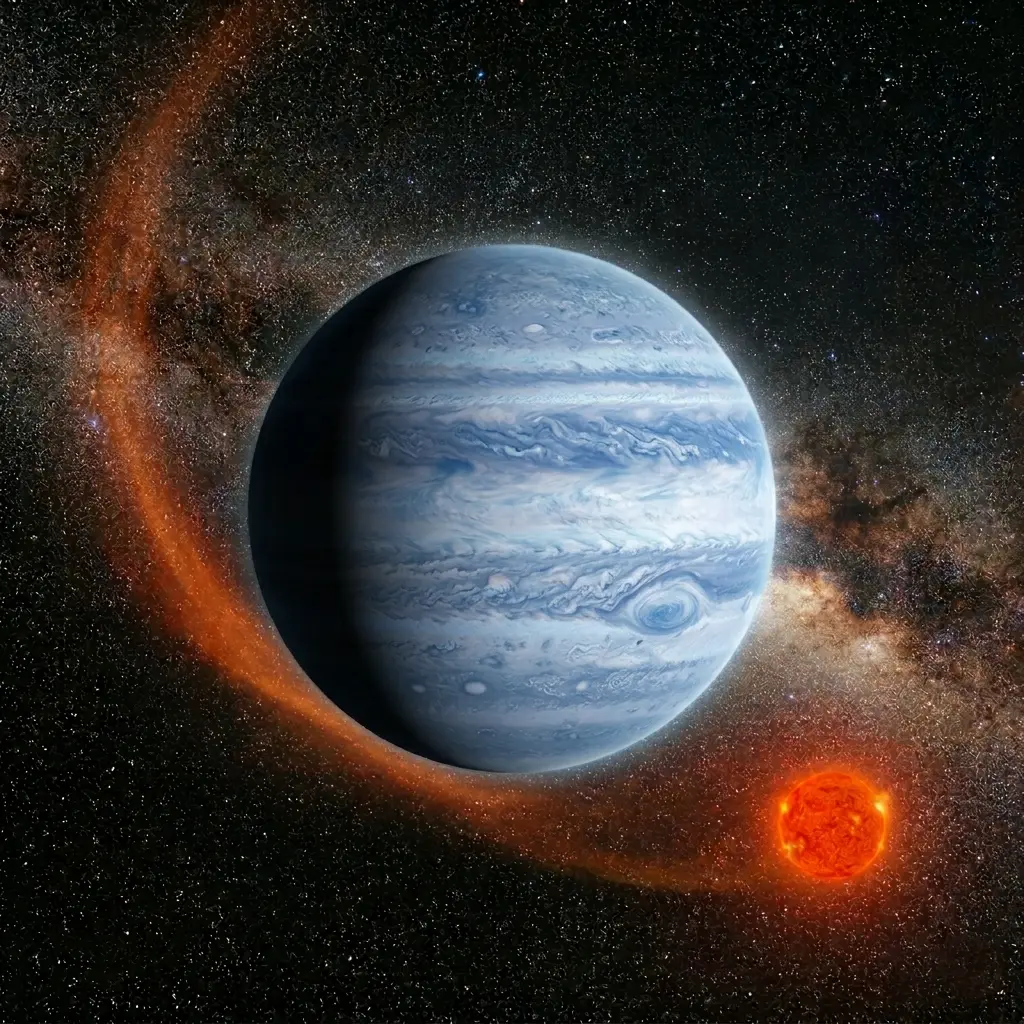
Lalande 21185 c
Lalande 21185 c is an exoplanet classified as a mini-Neptune or low-mass gas giant orbiting the red dwarf star Lalande 21185 in the constellation Ursa Major at a distance of 8.3 light-years from Earth.
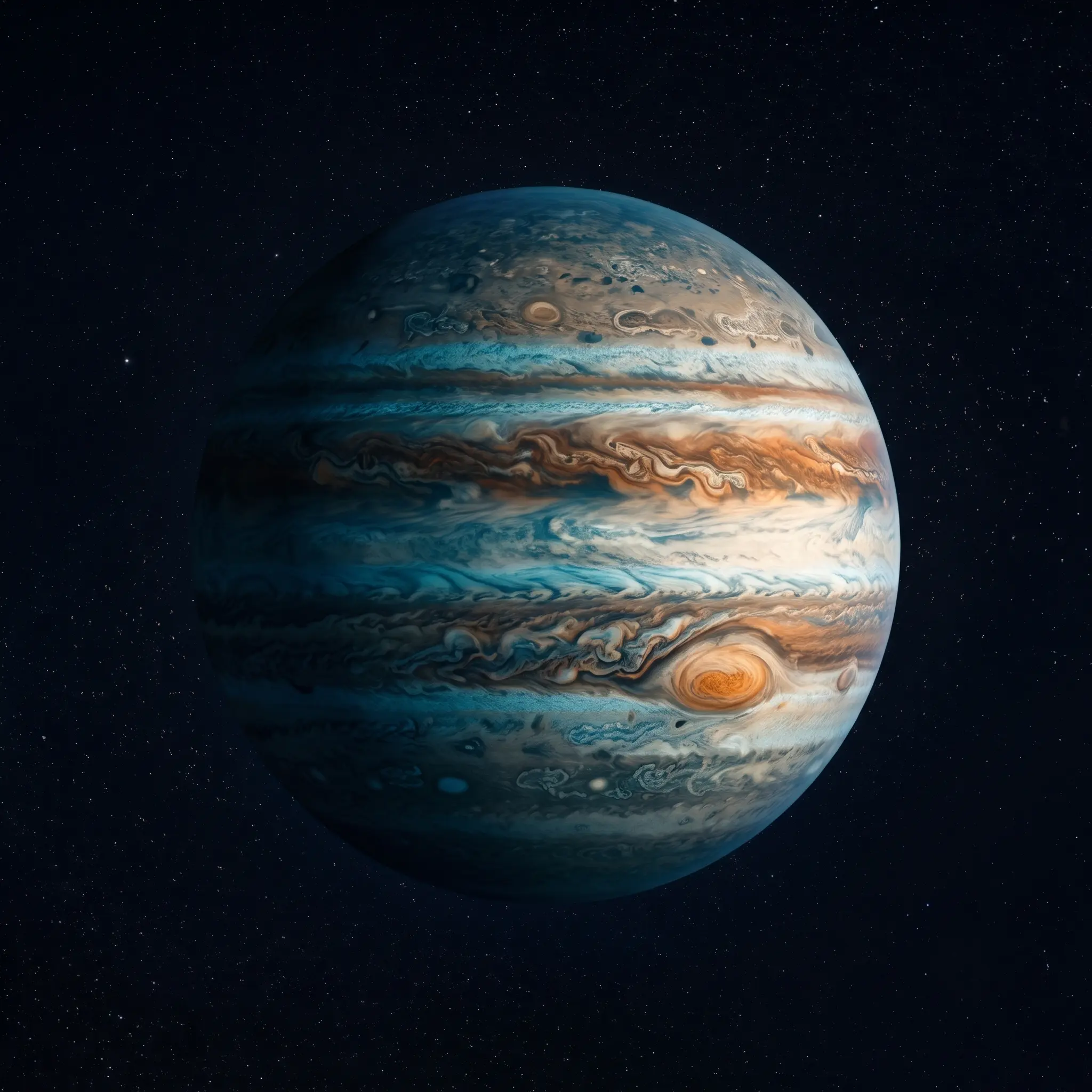
Epsilon Eridani b
The exoplanet Epsilon Eridani b, orbiting within its host system, represents a fascinating alien world of significant scientific interest. Characterized by its specific mass, estimated radius, and distinct orbital path, this planetary body provides crucial data regarding planetary formation theories. Researchers actively study its potential atmospheric composition and thermal dynamics, hoping to uncover more about its surface conditions and overall habitability profile.
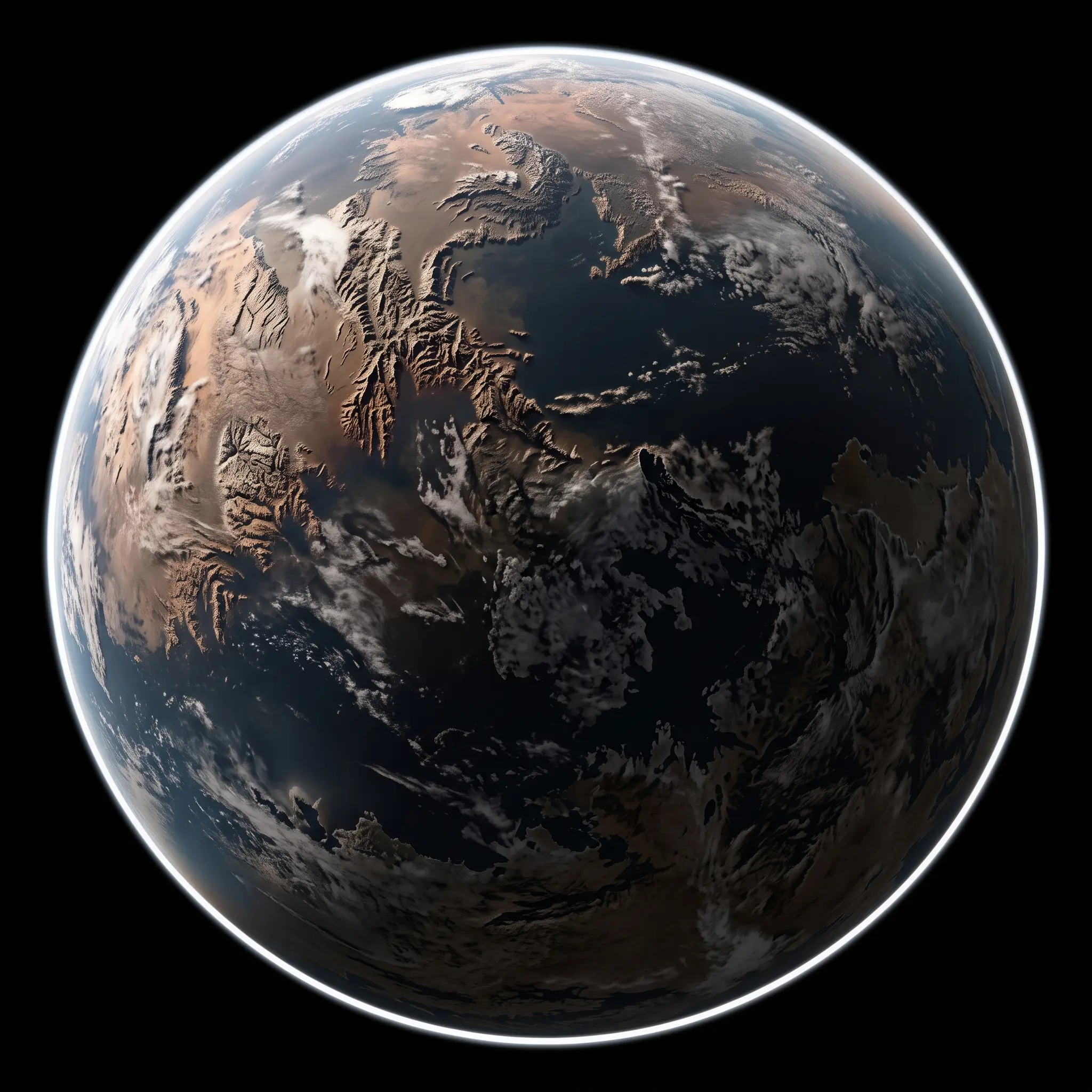
Ross 128 b
Ross 128 b is a rocky exoplanet with a minimum mass of 1.35 Earth masses. It orbits its star every 9.9 days at a distance of 0.0496 astronomical units and has a calculated moderate equilibrium temperature, making it potentially suitable for the existence of liquid water.
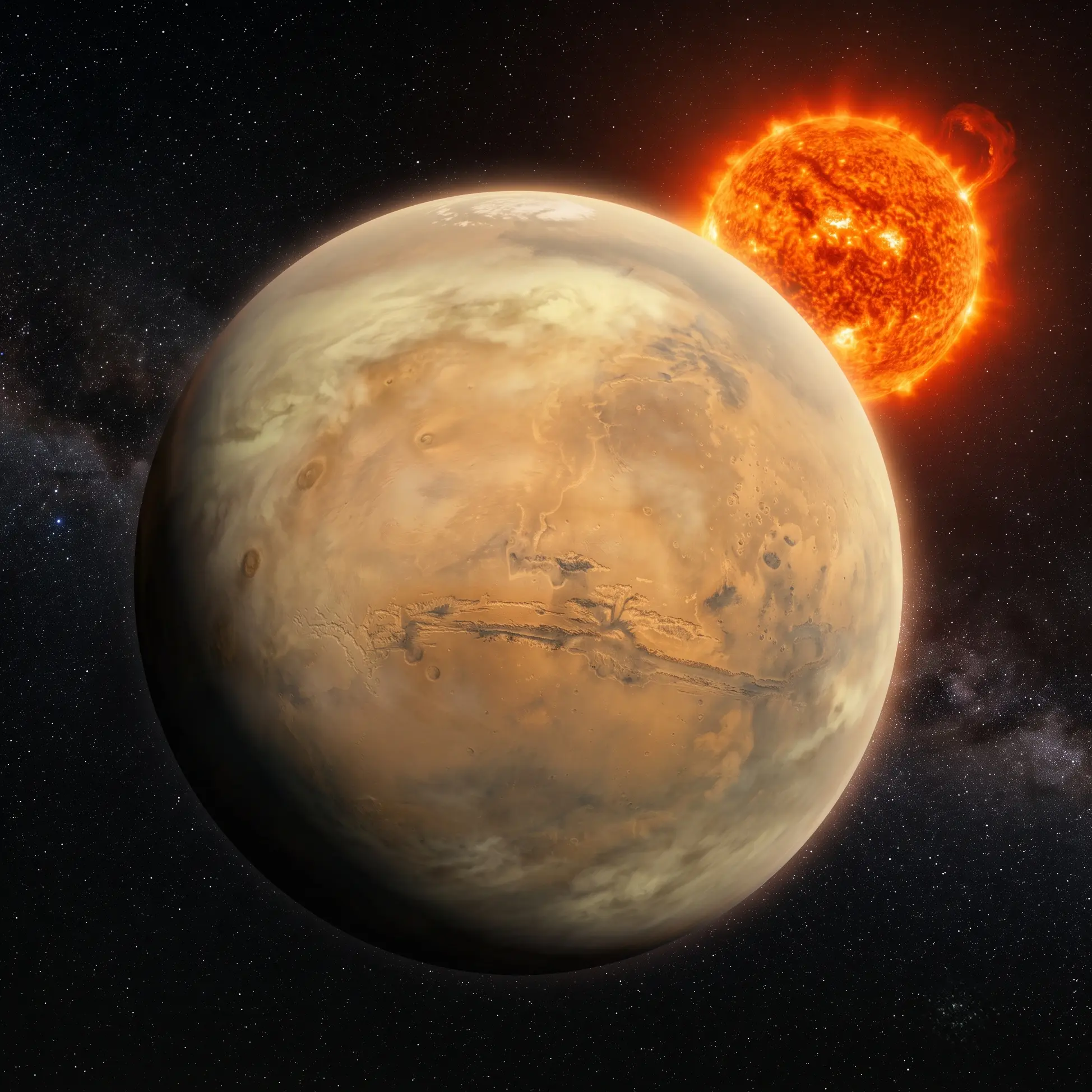
GJ 273 b
This world is classified by scientists as a super-Earth, with a minimum mass of about 2.89 times the mass of our planet. The object rotates within the estimated habitable zone at a distance of 0.091 astronomical units from its star. This potentially rocky planet completes a full orbit in approximately 18.6 Earth days.
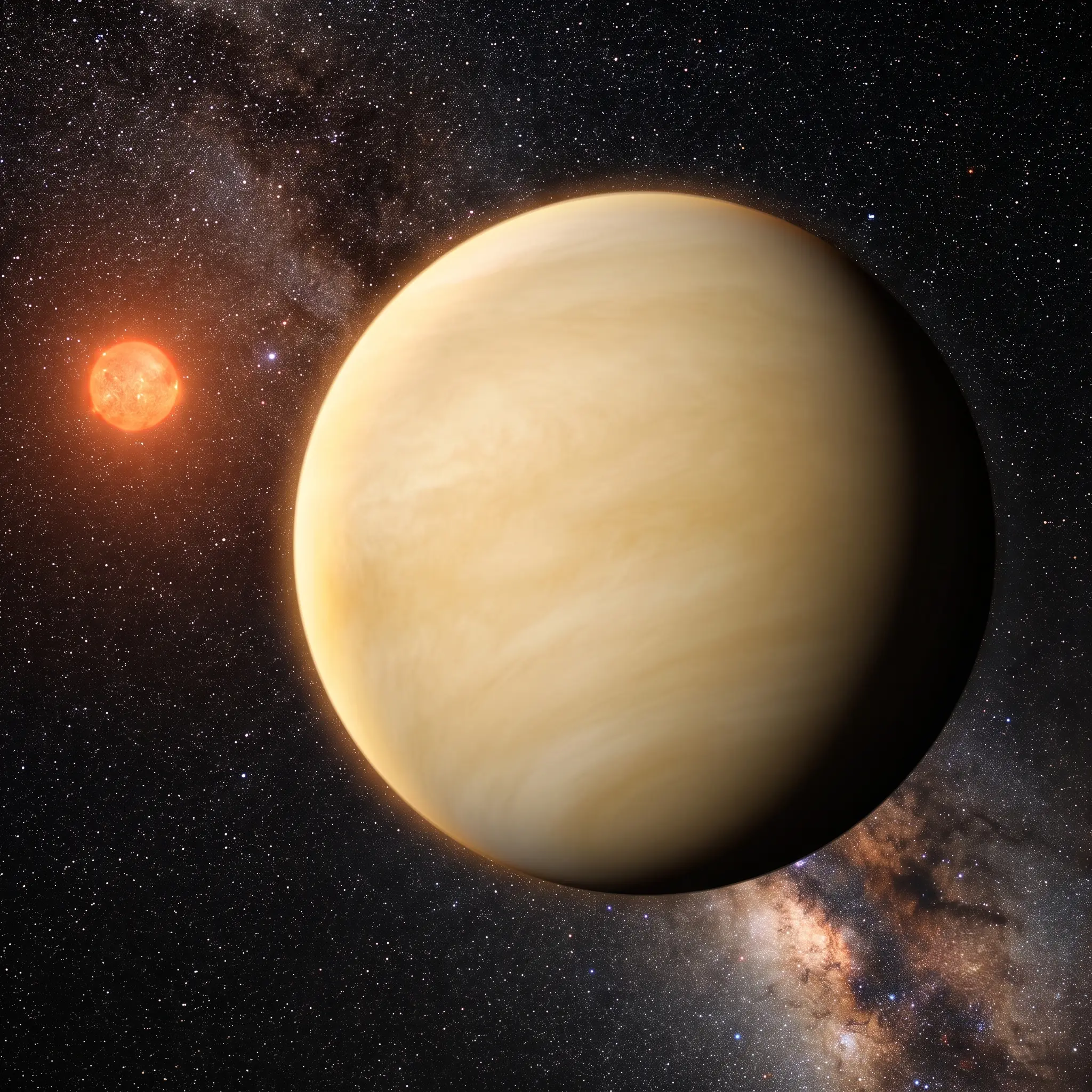
GJ 273 c
This exoplanet is the innermost known object in this star system. Its minimum mass is approximately 1.18 times that of Earth. The planet is extremely close to its red dwarf star—at a distance of approximately 0.036 astronomical units—resulting in a full orbital period of only 4.72 Earth days.
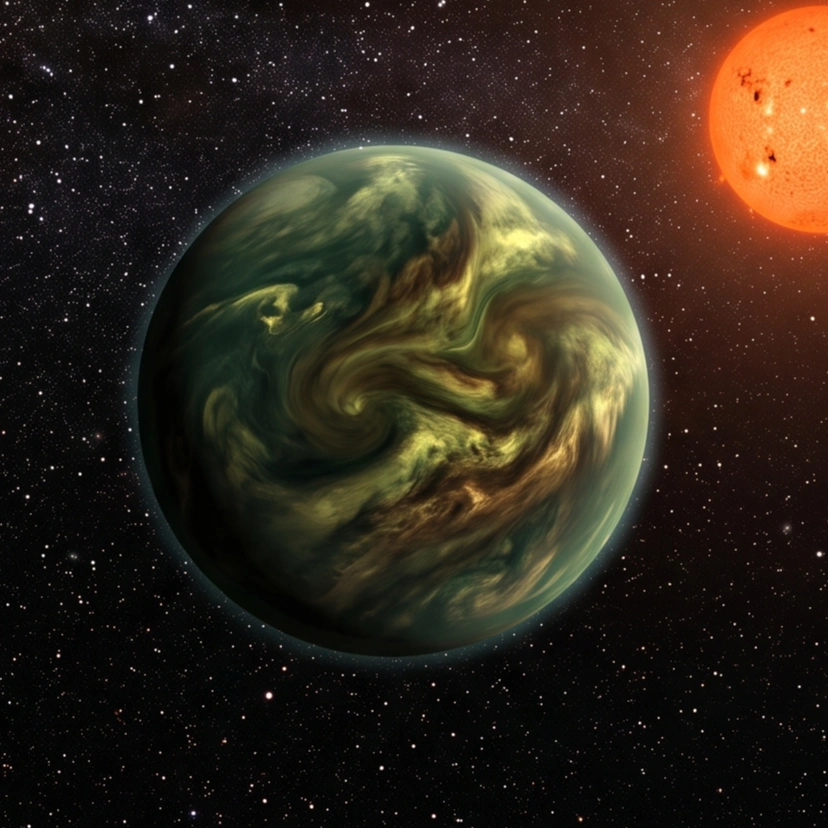
Teegarden's Star b
Teegarden b is a rocky exoplanet in the habitable zone, the closest to its star. It has a mass similar to Earth's and the highest known Earth Similarity Index (0.95). Due to its proximity to its star, it is likely tidally locked.
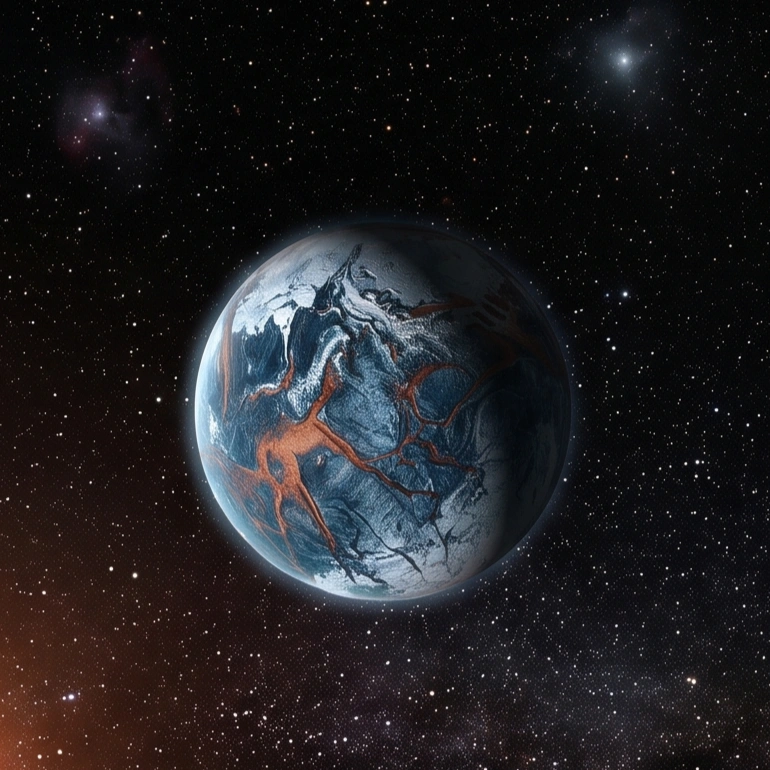
Teegarden's Star c
Teegarden c is an outer rocky exoplanet in the habitable zone, located farther from its star. It is slightly more massive than Earth and has a surface temperature comparable to Mars. The planet's orbital period is approximately 11.4 days. The Teegarden star system

Wolf 1061 b
Wolf 1061 b is a rocky super-Earth that orbits its star at an extremely close distance every 4.9 Earth days, likely leaving its surface hot and permanently tidally locked, with one side facing the star.

Wolf 1061 c
Wolf 1061 c is classified as a massive super-Earth, orbiting near the inner edge of the habitable zone with an orbital period of approximately 17.9 days, giving it a theoretical chance of having liquid water despite the potential harsh climate caused by gravitational capture.