Planets

Wolf 1061 d
Wolf 1061 d is the most distant massive super-Earth, or mini-Neptune, orbiting once every 104 days beyond the outer edge of the habitable zone, where temperature conditions suggest an extremely cold climate and possibly a thick atmosphere of various volatile compounds.
YZ Ceti b
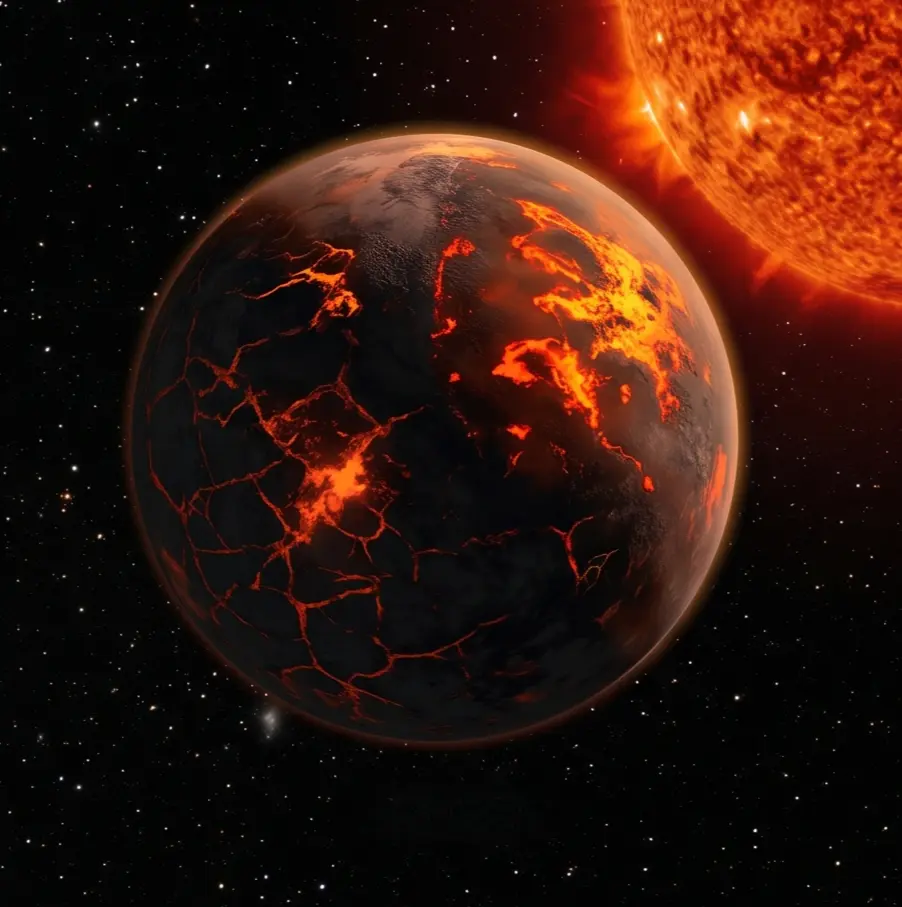
The exoplanet YZ Ceti b is the closest exoplanet to its star, a rocky super-Earth that completes a full orbit in just two Earth days. Situated in a zone of extreme heat, it is likely a parched world whose surface may be partially melted by colossal tidal forces and intense stellar radiation.

YZ Ceti c
Planet YZ Ceti c is the middle of the three known planets, also a rocky super-Earth, comparable in size to Earth but with an orbital period of just over three days. It is subject to intense radiation, and despite its slightly greater distance from its star, its conditions preclude the existence of liquid water on its surface.
YZ Ceti d
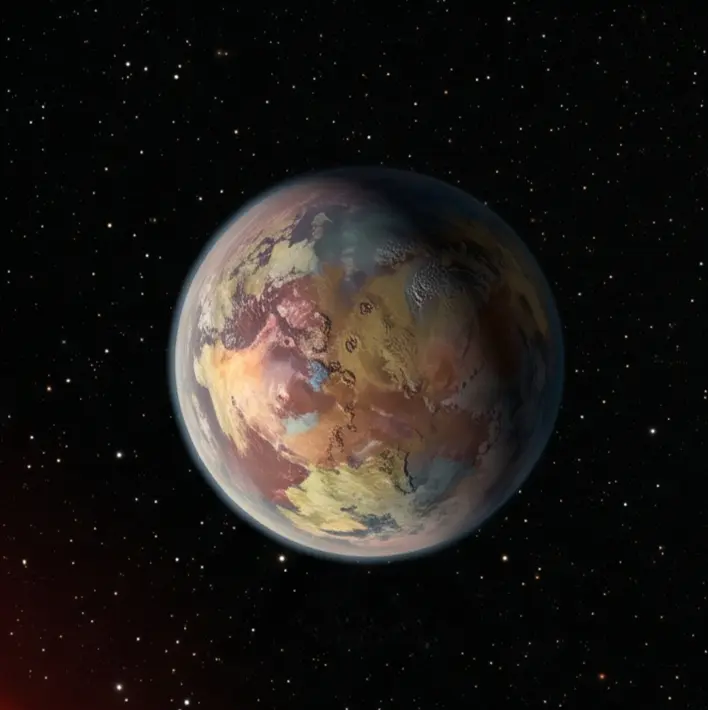
Planet YZ Ceti d is the outermost confirmed planet in the system, the third rocky super-Earth, orbiting every four and a half days. Although it receives less heat than its inner neighbors, its orbit is still too close to the star to be in the habitable zone.

Tau Ceti g
Tau Ceti g is the closest super-Earth to its stars among the known candidates for this system. It orbits its star in just 20 days. Due to its extreme proximity, its surface is extremely hot, making the existence of liquid water impossible.

Tau Ceti h
Tau Ceti h is located approximately 0.24 astronomical units from the star and has an orbital period of approximately 49 days. This hot super-Earth is approximately 1.8 times the mass of Earth, and its high radiation levels preclude the possibility of stable oceans.

Tau Ceti e
Tau Ceti e is a super-Earth with a mass approximately 3.9 times that of Earth, located at the inner edge of the habitable zone. Its year lasts approximately 163 days. With a thick atmosphere, it could support a moderately hot climate and potentially liquid water.

Tau Ceti f
Tau Ceti f is a super-Earth exoplanet located at the outer edge of the habitable zone with an orbital period of approximately 640 days. It receives significantly less heat, so a powerful greenhouse effect is required to maintain liquid water on the planet's surface; otherwise, it would be locked in ice.
GJ 1061 b
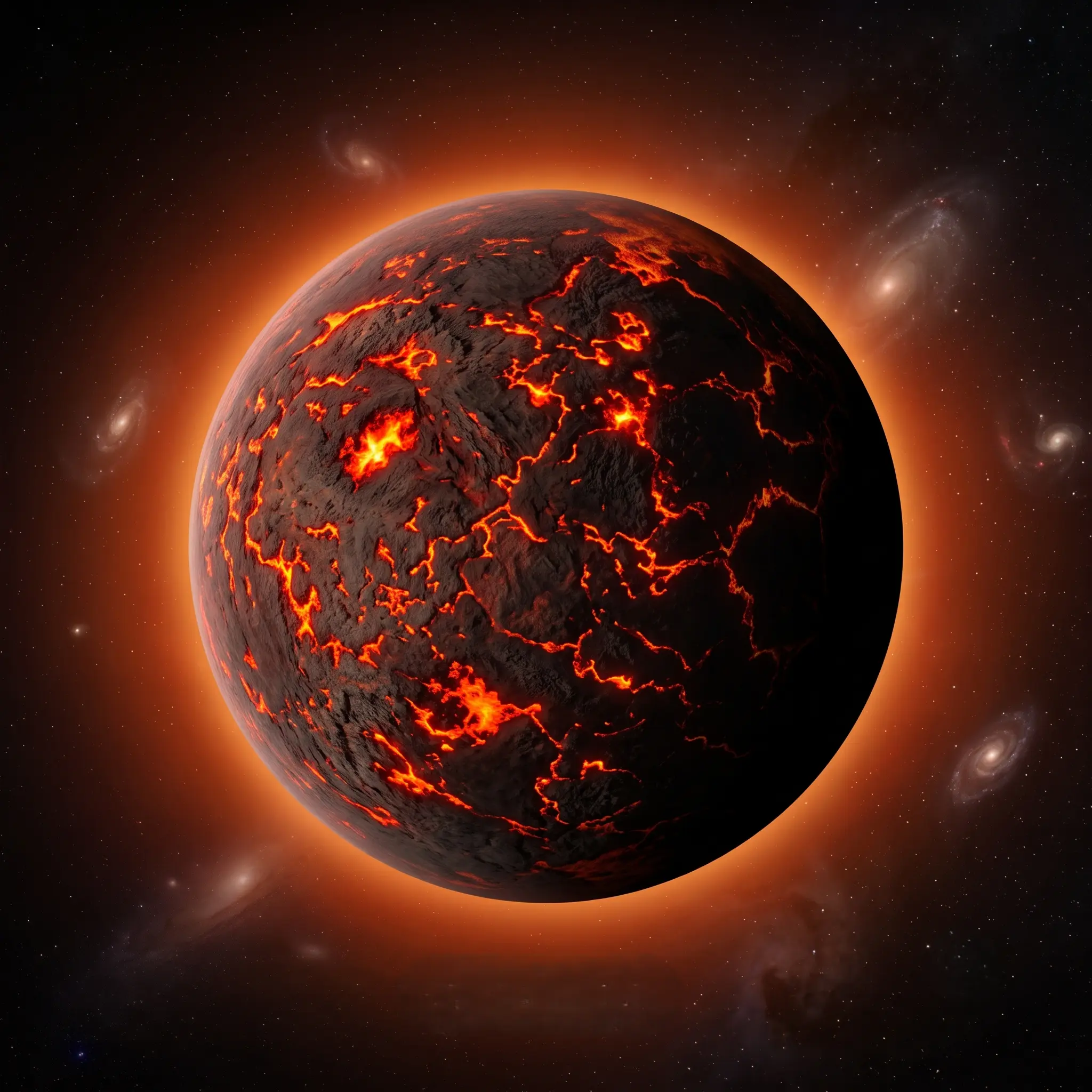
This planet is the closest to its star and has a minimum mass of approximately 1.38 times that of Earth. It completes an orbit in just 3.2 Earth days, resulting in a surface temperature so high that liquid water is completely excluded.
GJ 1061 c
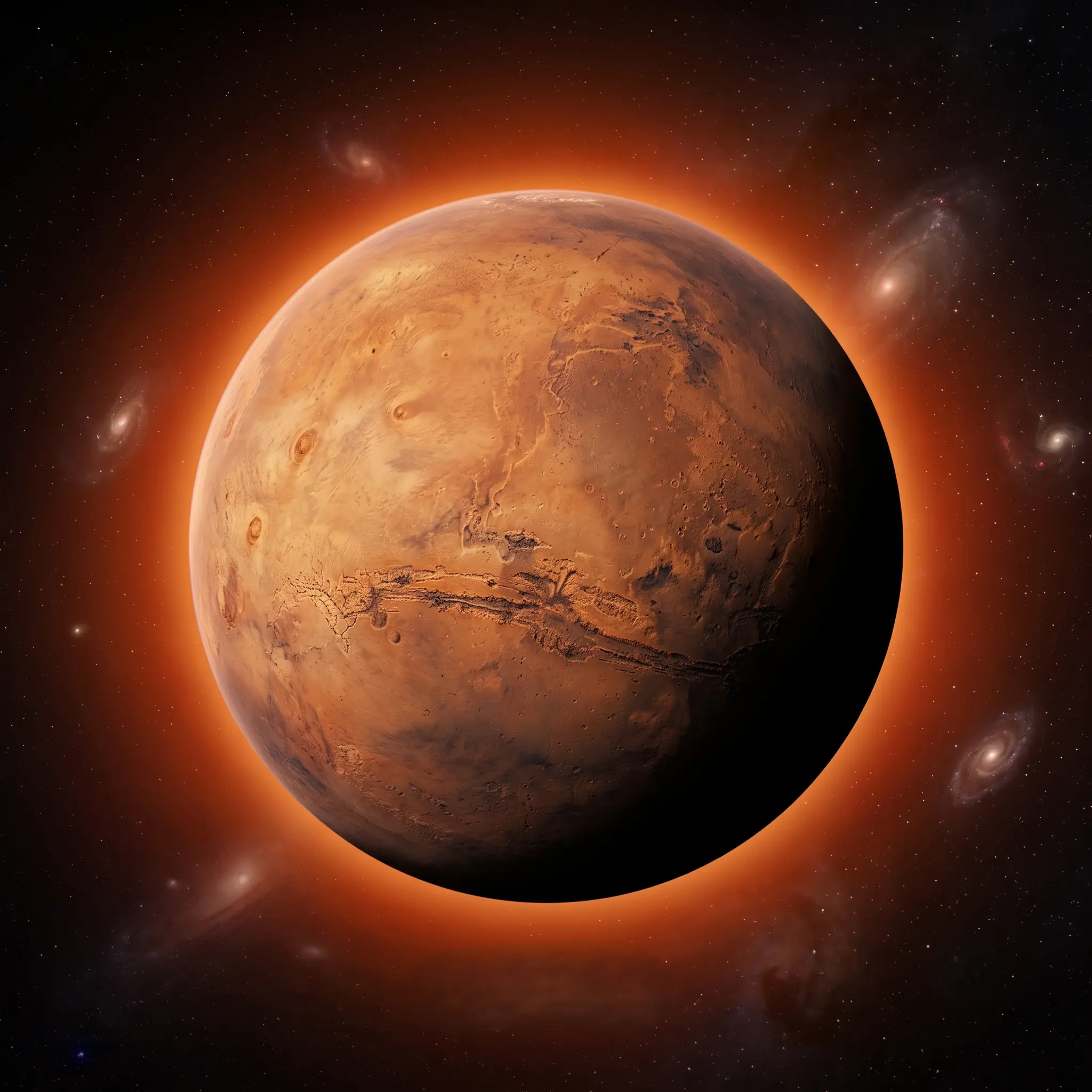
The second-most distant rocky planet has a mass approximately 1.75 times that of Earth and an orbital period of 6.7 days. Situated near the inner edge of the habitable zone, the climate there could be quite harsh, reminiscent of the extreme greenhouse effect on Venus.
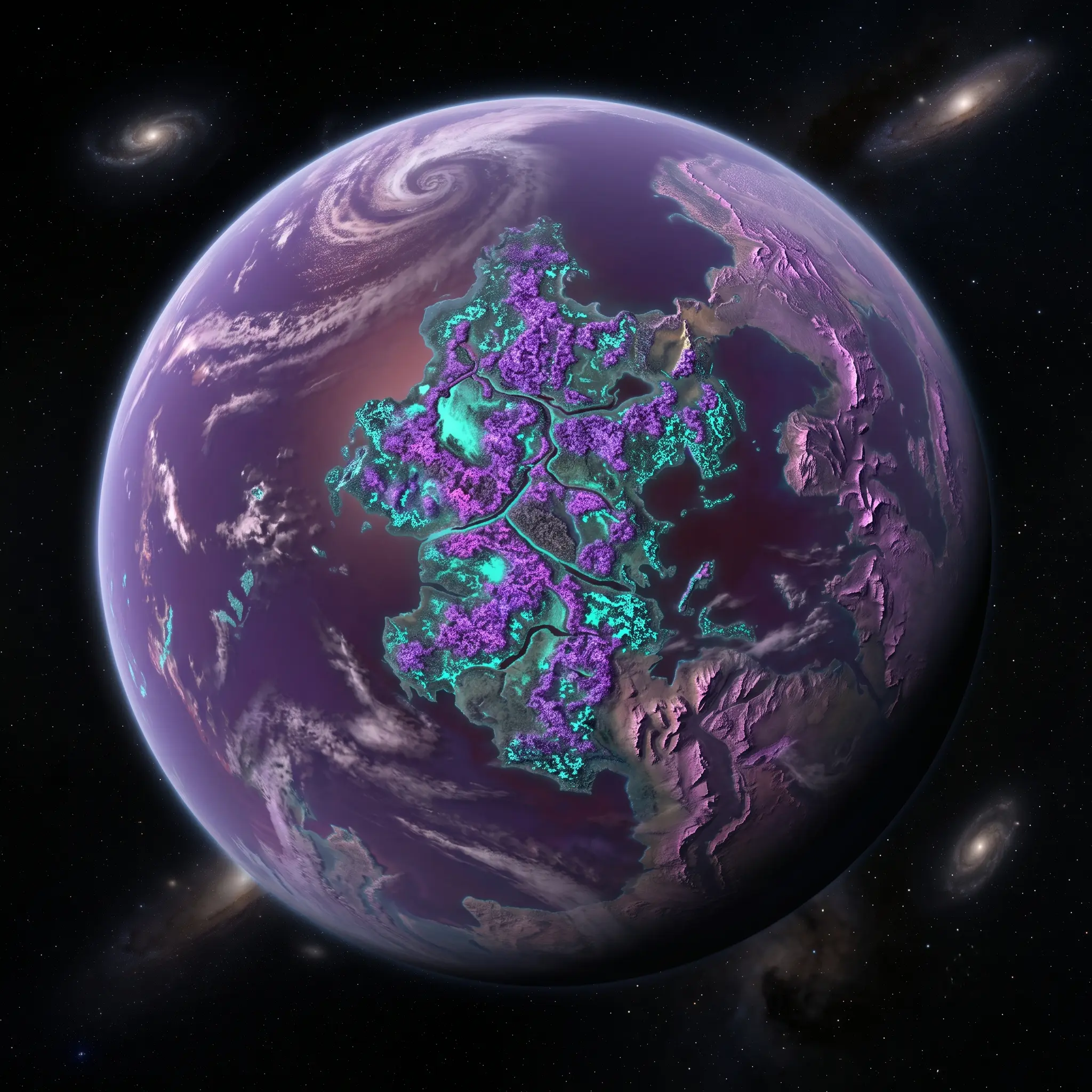
GJ 1061 d
This planet is of particular scientific interest because, with a mass of 1.64 Earth masses, it orbits stably within the conservative habitable zone. Its year lasts 13 days, and with a suitable thick atmosphere, conditions could exist on its surface for the preservation of bodies of liquid water.
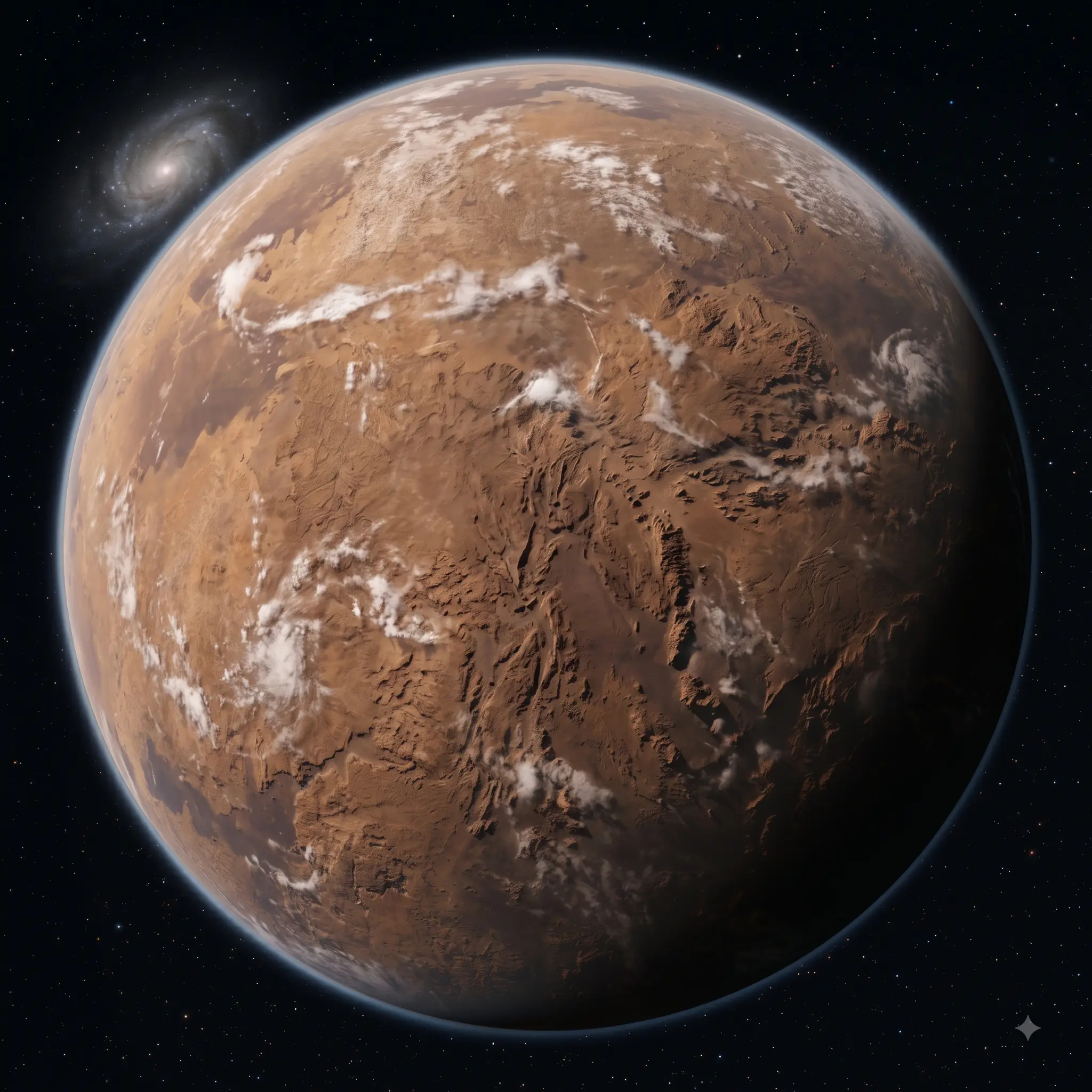
Kapteyn b
The exoplanet Kapteyn b was discovered in 2014 as a potential super-Earth orbiting in the habitable zone of its dim star. Its year lasts only 48 Earth days. Although the planet's existence is disputed due to stellar activity, it is often described as an ancient, cold, rocky world with a mass of 4.8 Earth masses.