Planets
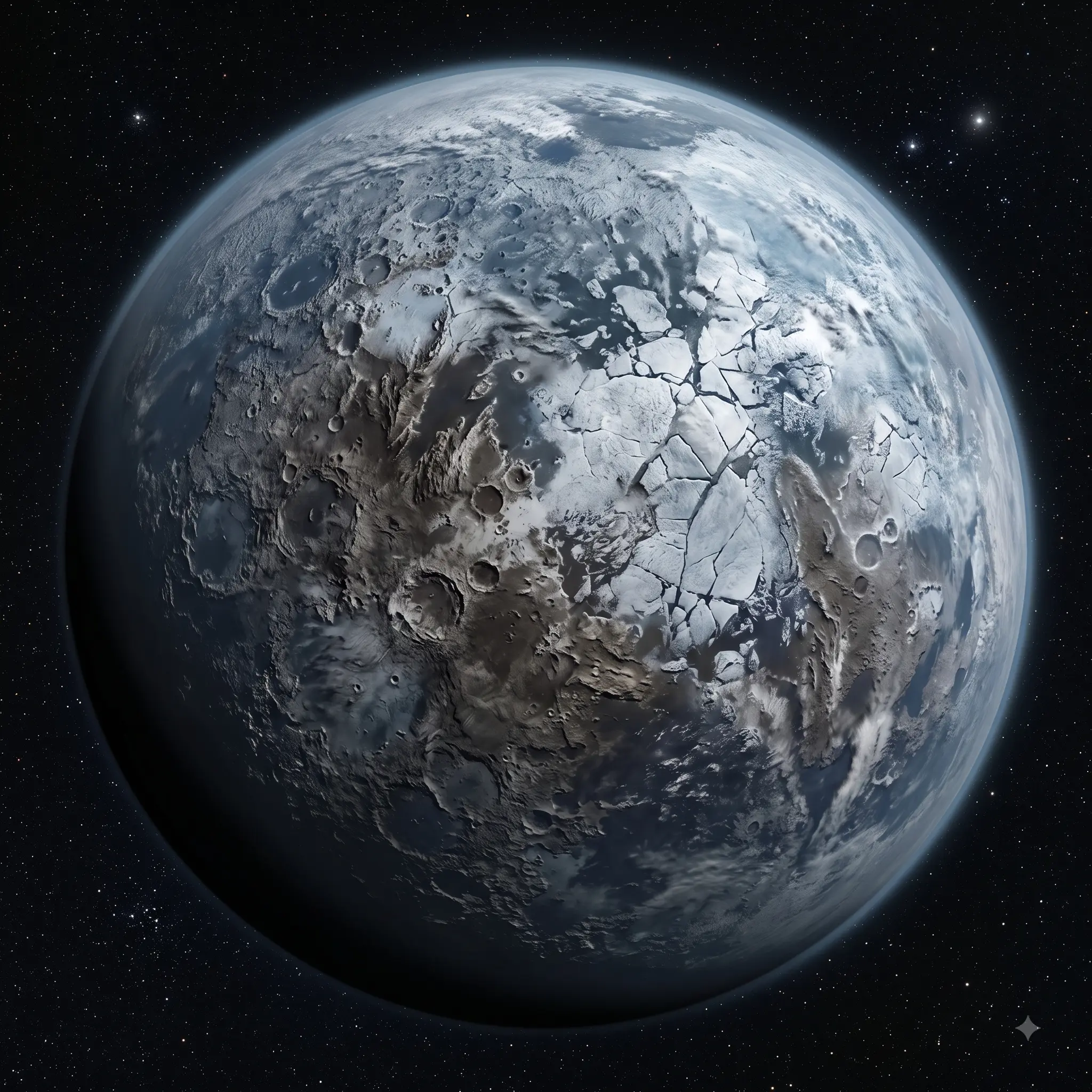
Kapteyn c
Exoplanet Kapteyn c is the cooler, outer companion in the system, classified as an icy super-Earth with a mass approximately 7 times that of Earth. Its orbit lies well outside the habitable zone, and its year lasts 121 days. Like Kapteyn b, its status remains a subject of scientific debate due to the difficulty of separating the planet's signal from the star's noise.
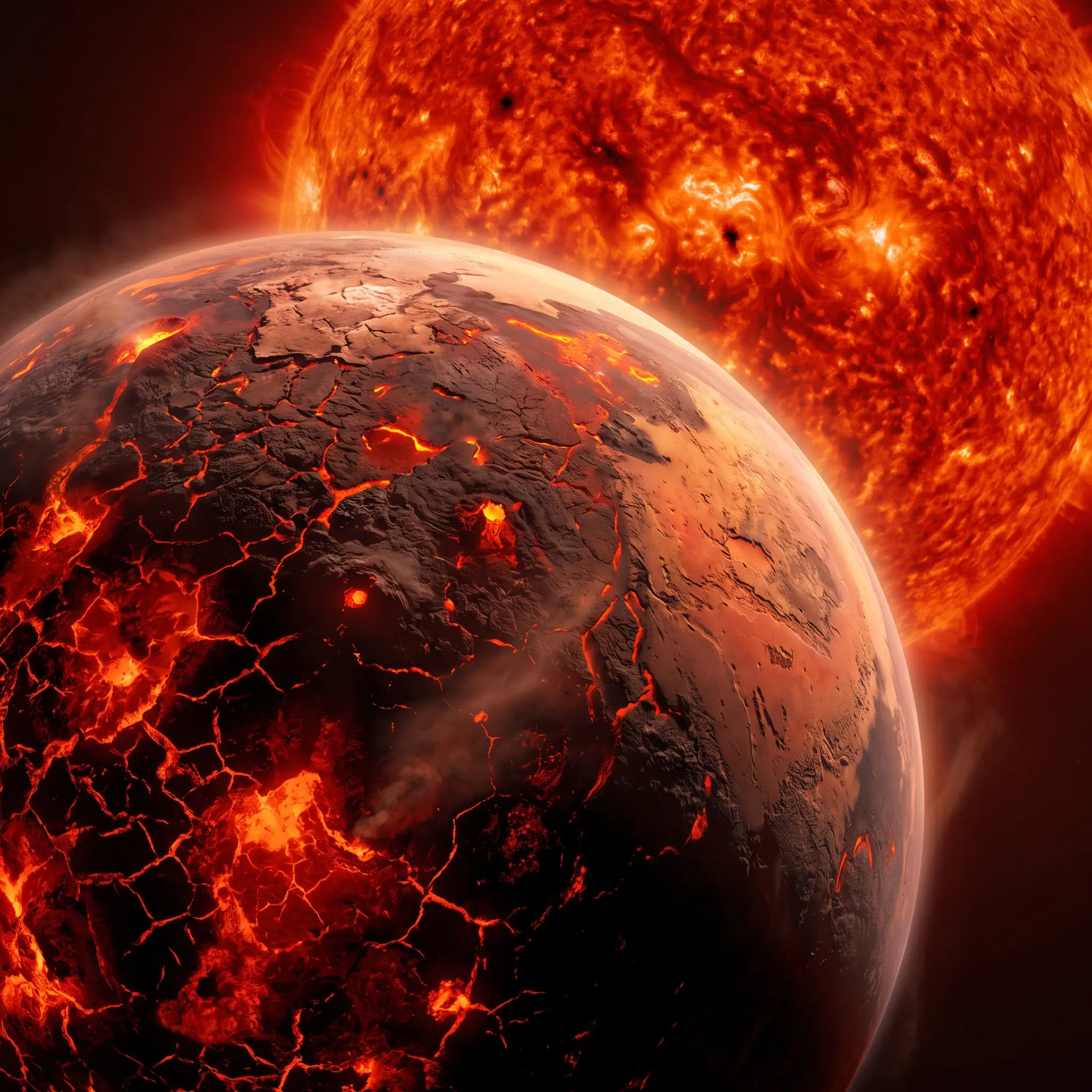
GJ 876 d
This exoplanet is classified as a super-Earth and has a mass approximately seven times greater than Earth's. It orbits extremely close to its star, completing a full orbit in less than two days, resulting in incredibly high surface temperatures.

GJ 876 c
The first gas giant in the resonant chain, its mass is comparable to three-quarters that of Jupiter. The planet orbits its star every approximately 30 days and resides in the inner part of the system, interacting gravitationally with its massive orbital neighbors.
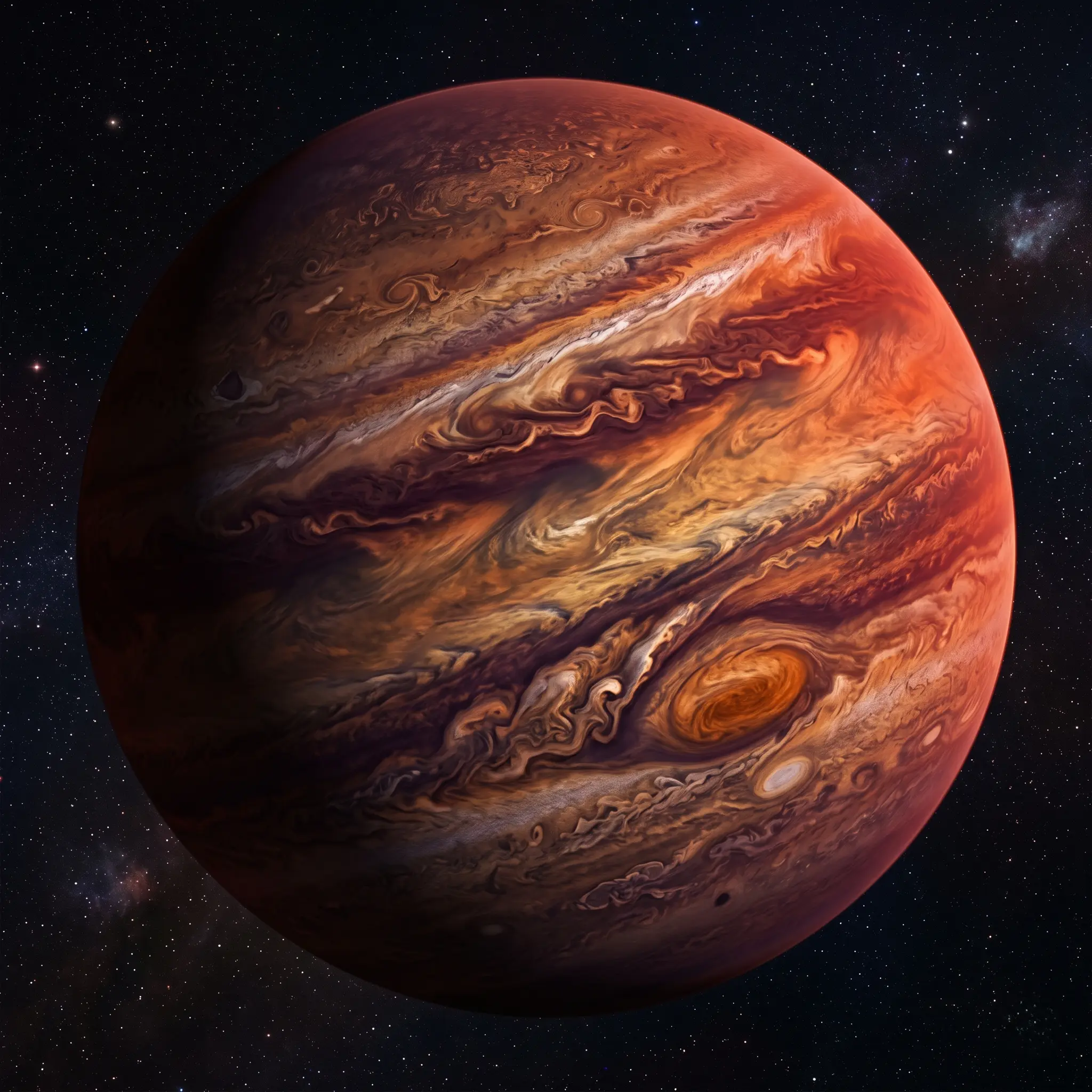
GJ 876 b
The most massive planet in the system, a gas giant with a mass greater than twice that of Jupiter, it completes a full orbit every 61 days and plays a key role in maintaining a stable orbital Laplace resonance with its neighboring planets "c" and "e."
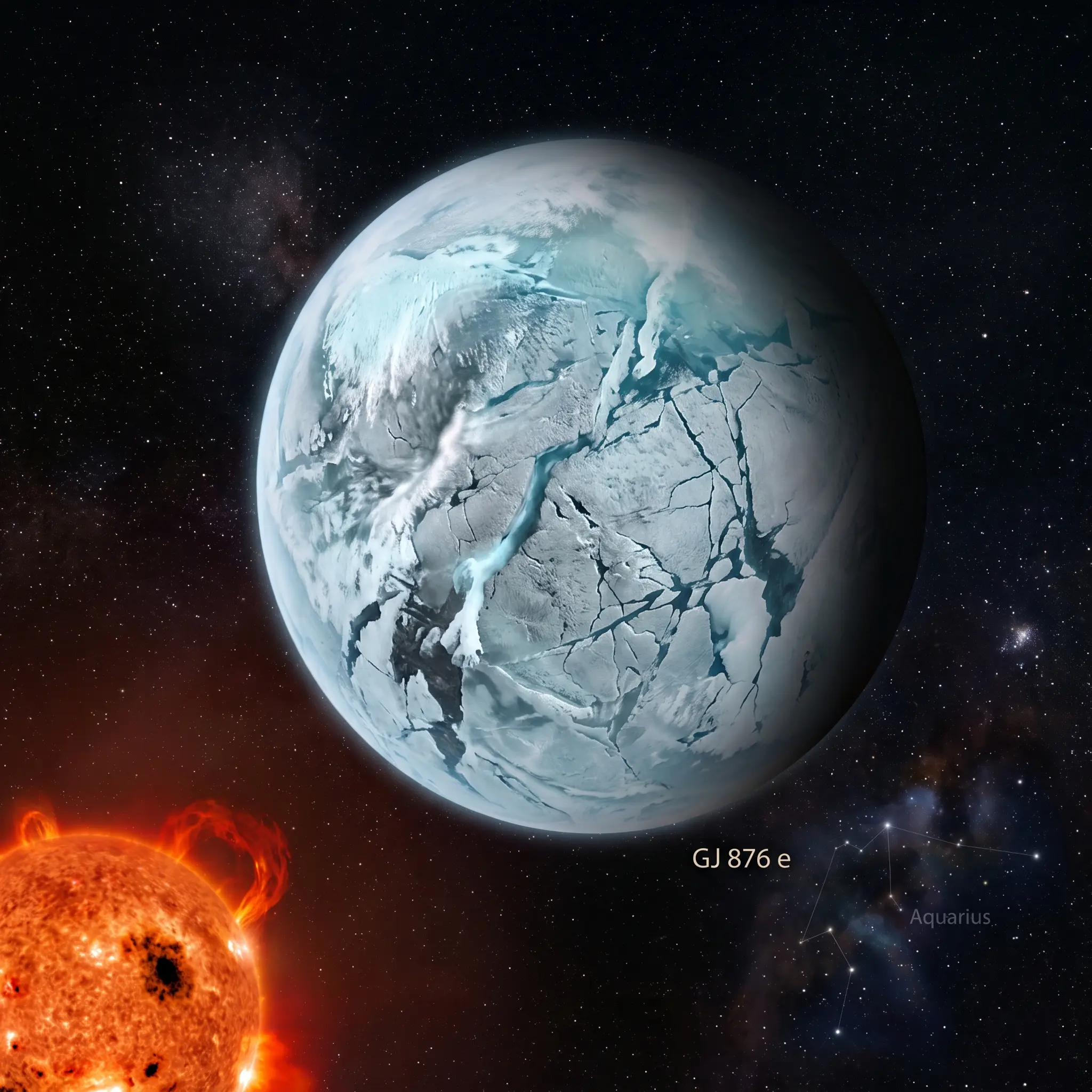
GJ 876 e
The outer planet of the resonant chain, similar in mass to Uranus or Neptune, orbits the red dwarf once every 124 days. Its discovery confirmed the presence of a complex triple orbital resonance, marking an important step in understanding the migration of planetary systems.
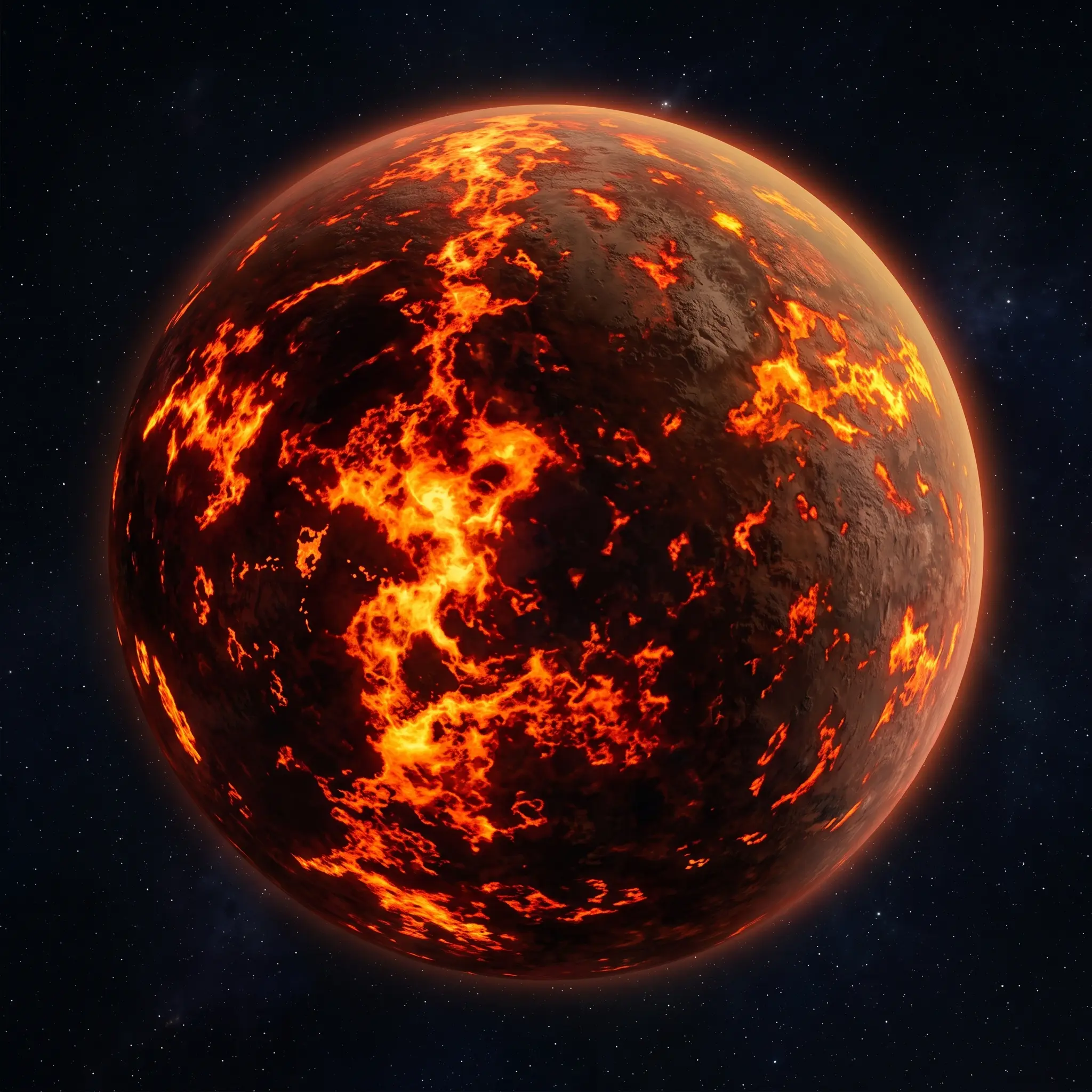
HD 20794 b
The closest exoplanet to the star, HD 20794 b, is a massive, hot super-Earth orbiting at a distance of just 0.12 astronomical units. Due to its close proximity to the star, its orbital period is extremely short, and its surface is constantly exposed to destructively high temperatures.
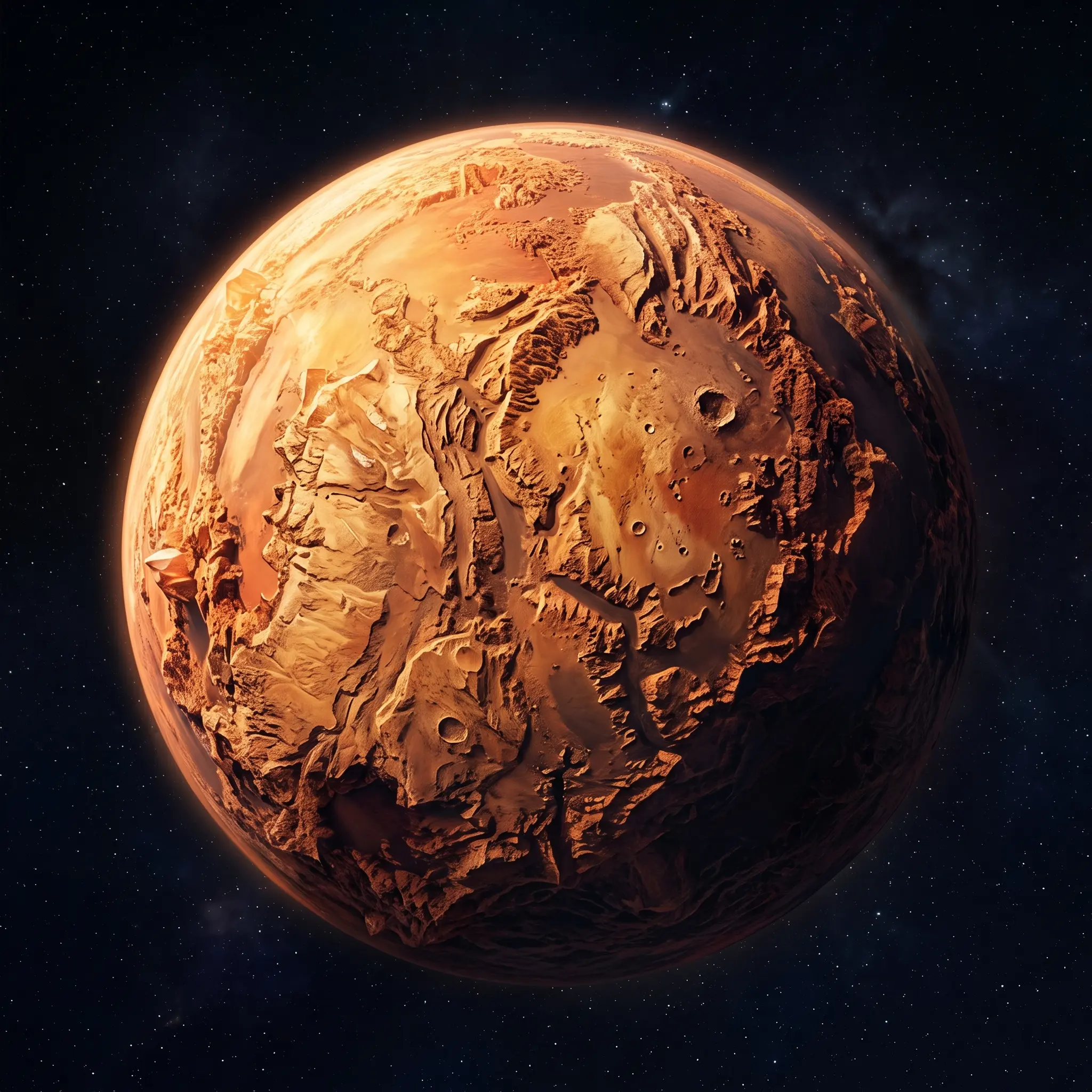
HD 20794 c
The second confirmed planet in the system, designated HD 20794 c, is also a hot super-Earth and is located at a distance of approximately 0.2 astronomical units. Extreme radiative heating virtually rules out the presence of an Earth-like atmosphere or liquid water on its rocky surface.
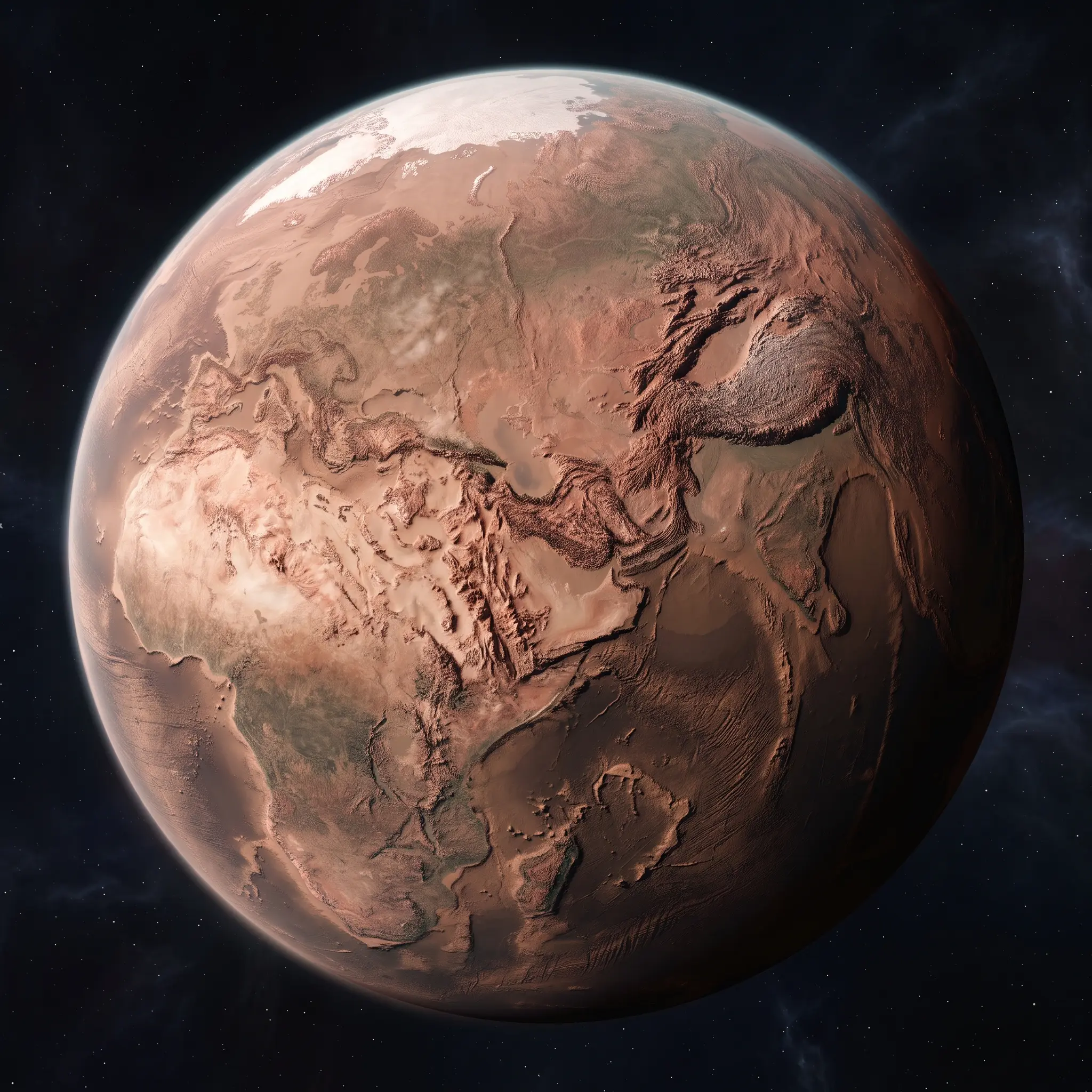
HD 20794 d
Of greatest scientific interest is the super-Earth HD 20794 d, which partially intersects the star's habitable zone and has a mass five times greater than Earth's. Its elongated elliptical orbit provokes strong temperature fluctuations, but theoretically allows for the temporary existence of liquid water.
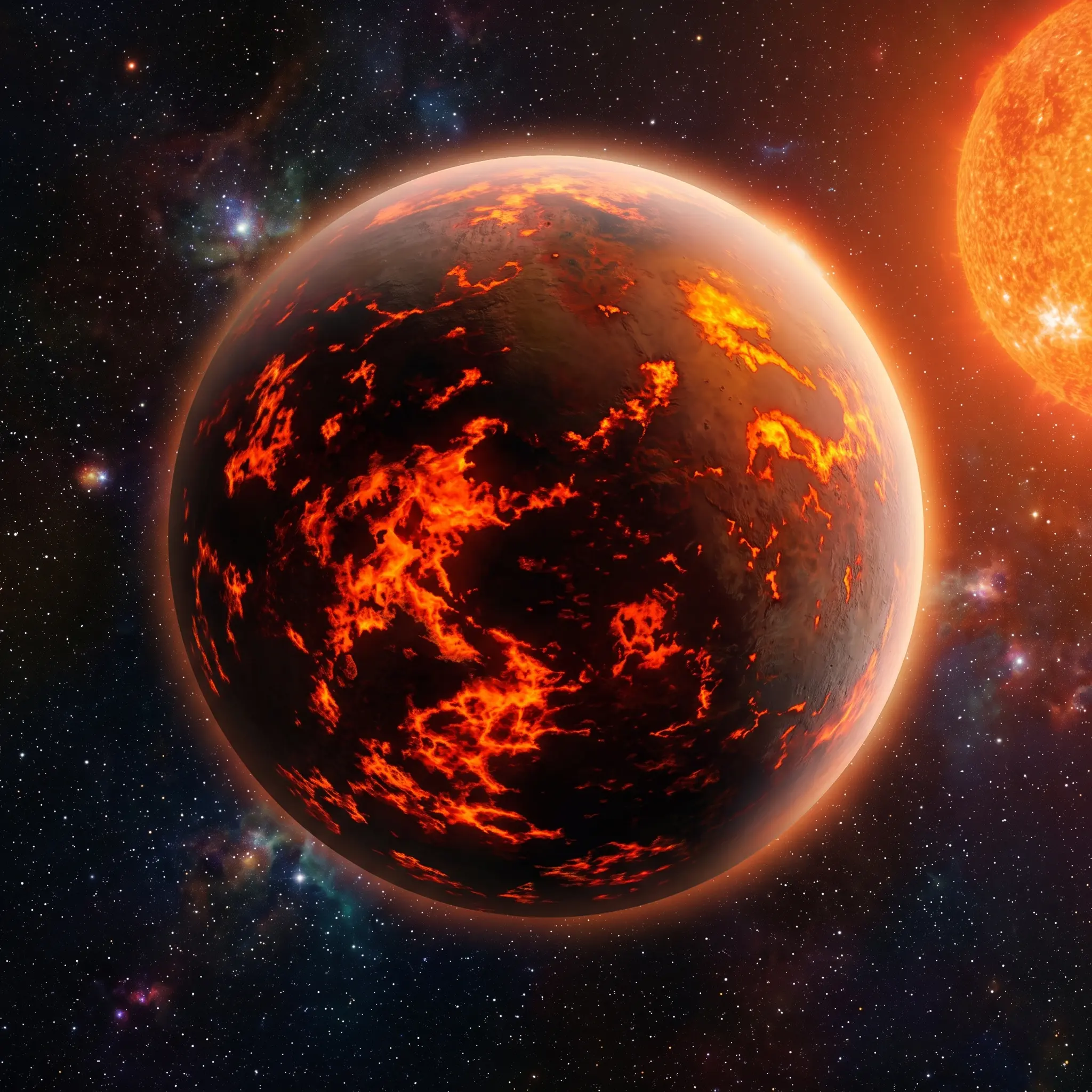
Gliese 581 e
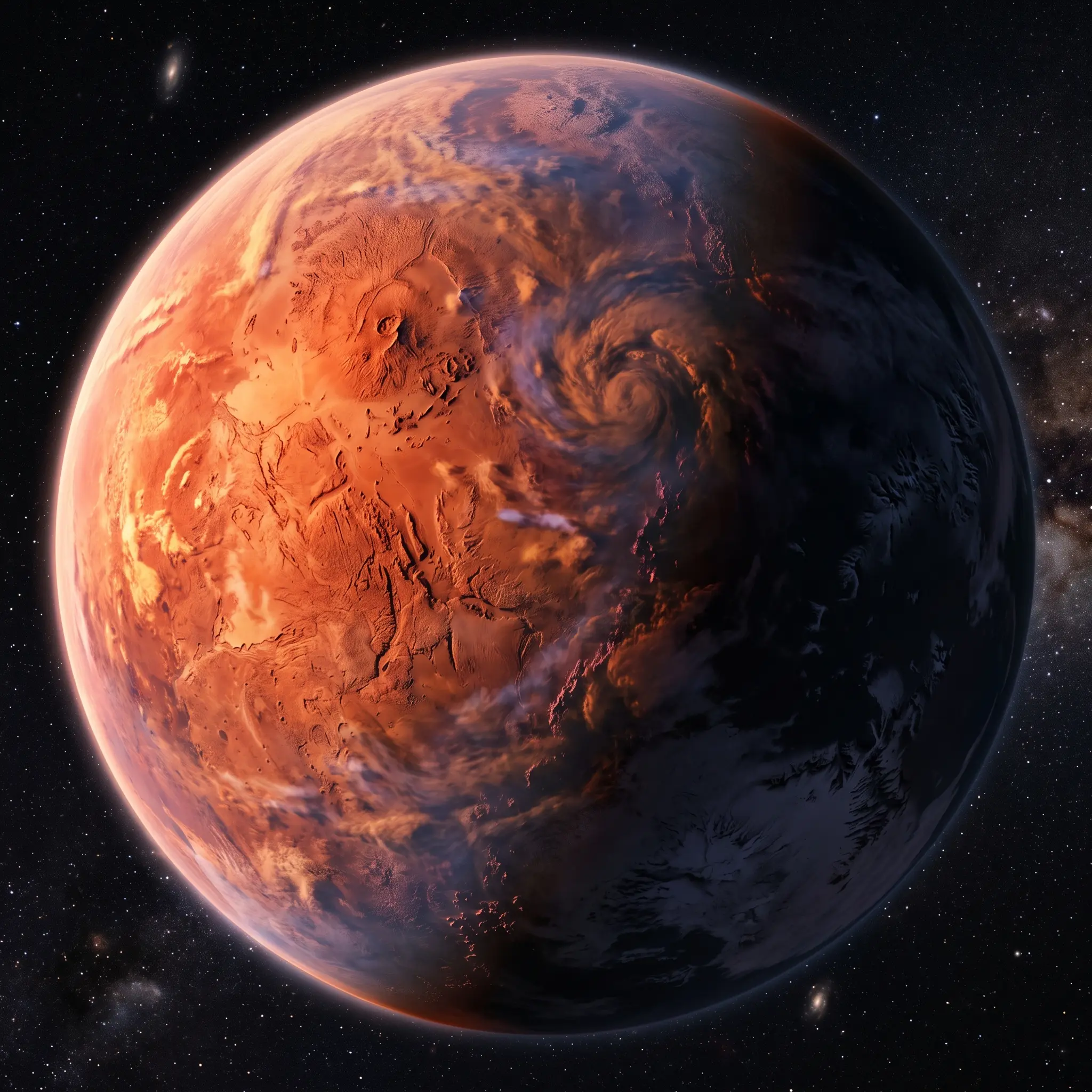
It is the closest confirmed planet to its star, completing an orbit in just 3.15 Earth days. Gliese 581 e is one of the smallest known exoplanets, with a minimum mass of about 1.7 Earth masses. Due to its extreme proximity to its star, the planet's surface is extremely hot, ruling out the possibility of liquid water and life as we know it.
Gliese 581 b
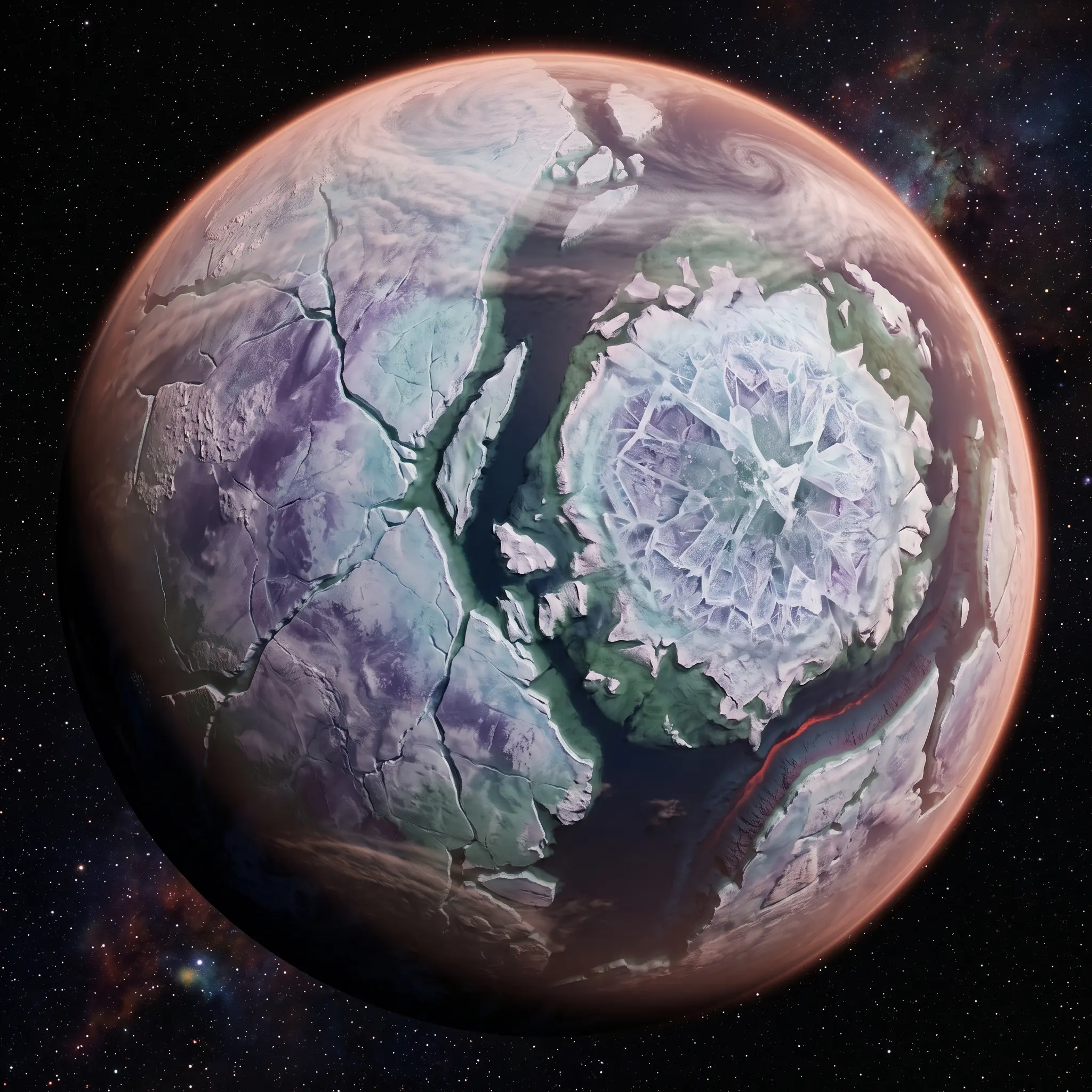
The second-most distant planet is the most massive confirmed object in the system. Its minimum mass is close to that of Neptune (about 16 Earth masses), and it is classified as a "hot Neptune." Its orbital period is approximately 5.4 days. The planet likely has a thick atmosphere and is uninhabitable due to its high temperatures and pressure.
Gliese 581 c
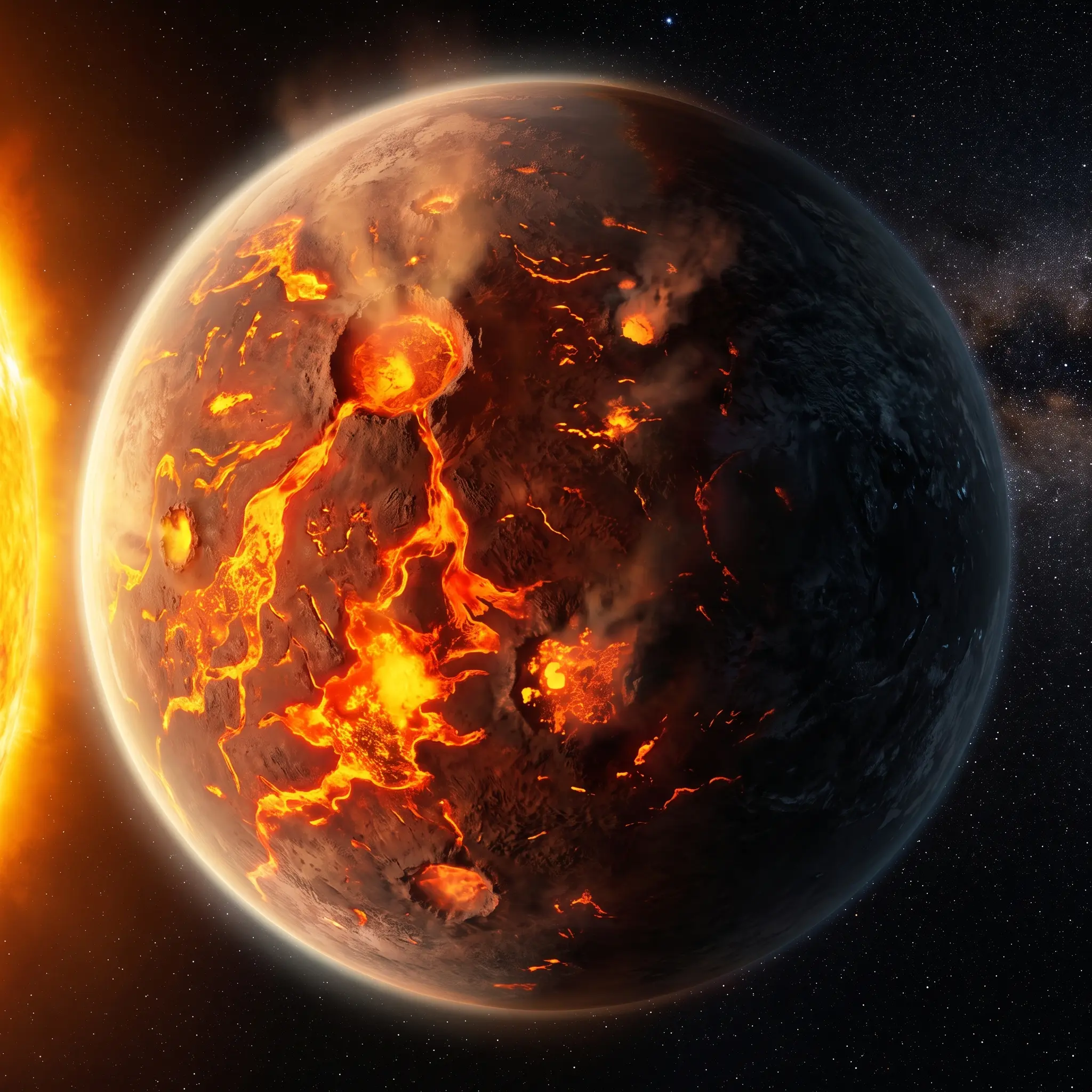
The third confirmed planet in the system has attracted the most attention, as it lies near the inner edge of the habitable zone. It is a super-Earth with a minimum mass of about 5.5 Earth masses, rotating every 13 Earth days. Although it could theoretically have acceptable temperatures, simulations suggest a strong greenhouse effect (similar to Venus), which could make its surface too hot for life.
61 Virginis b
The closest exoplanet to the star, 61 Virginis b, is a super-Earth with a mass approximately 5.1 times that of Earth. It orbits at an extremely close distance of 0.05 astronomical units, completing a full orbit in just 4.2 Earth days.