Planets
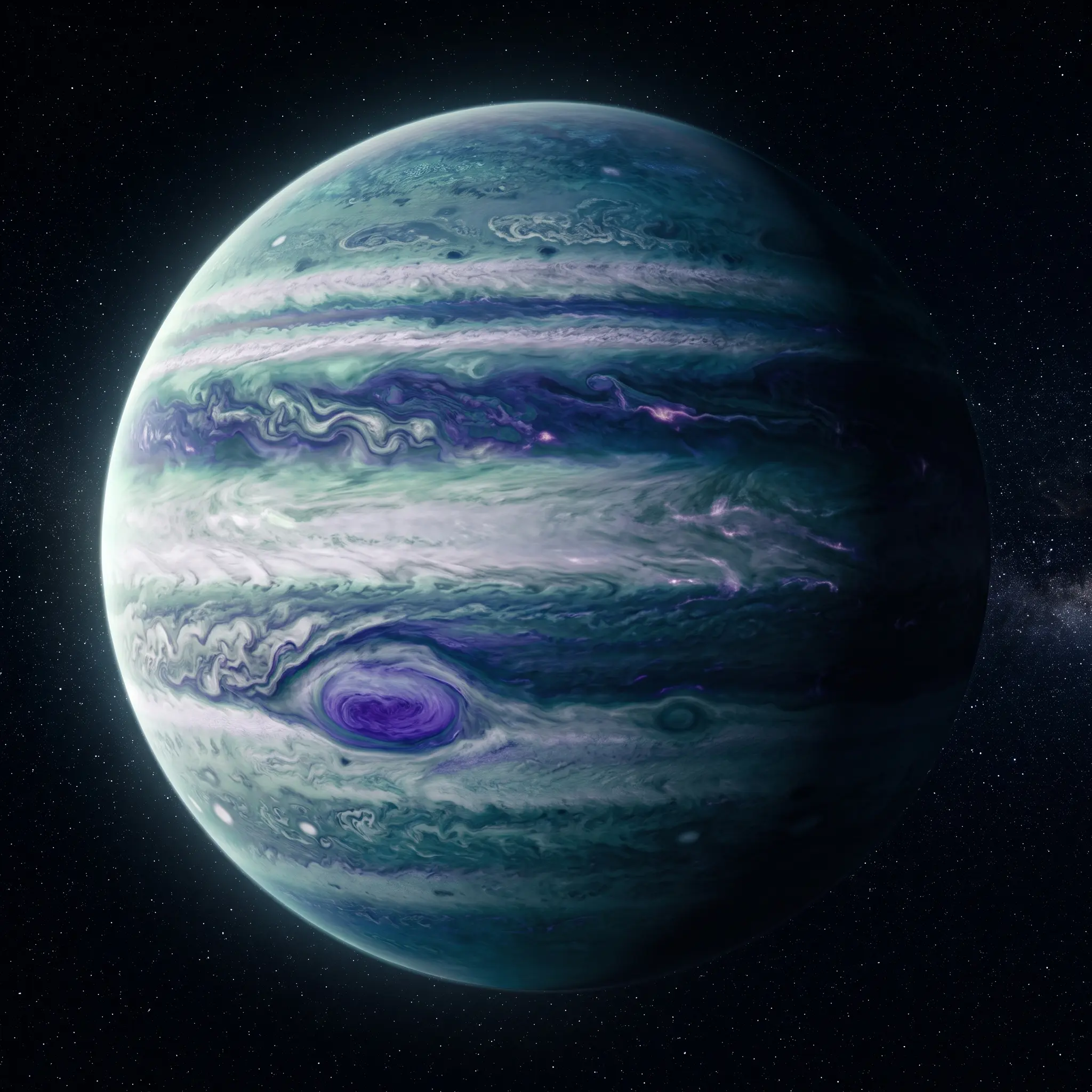
61 Virginis c
The second planet, 61 Virginis c, is classified as a Neptune-like gas giant with a minimum mass of 18.2 times that of Earth. It is located 0.22 astronomical units from its star and has an orbital period of approximately 38 days.
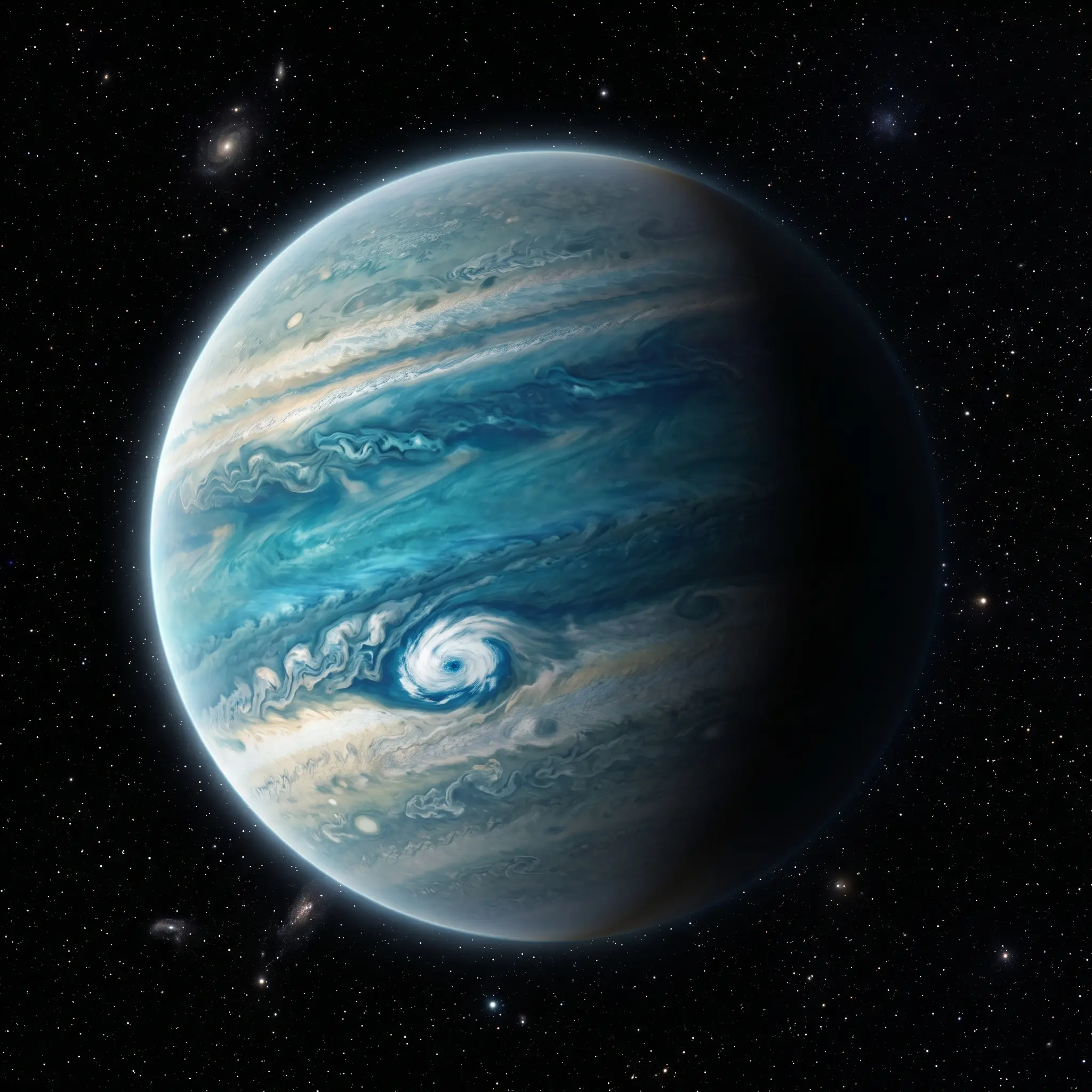
61 Virginis d
The most distant known planet in the system, 61 Virginis d, is also a Neptune-like world with a mass approximately 23 times that of Earth. This gas giant completes its orbit around its central star every 123 days, lying at a distance of 0.48 astronomical units.
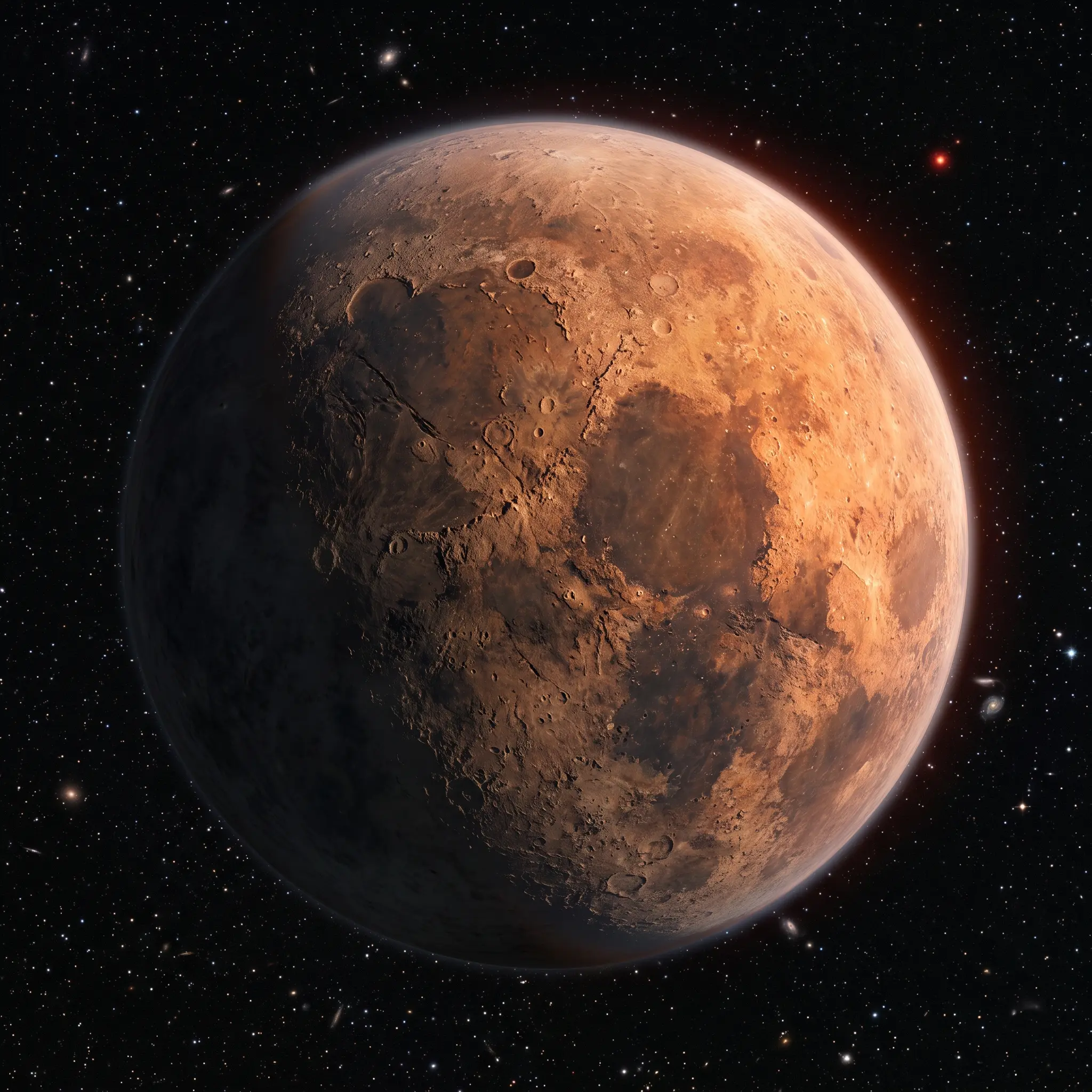
LHS 1140 c
Discovered in 2018, this super-Earth orbits its star extremely close, at a distance of 0.027 astronomical units. The planet completes one orbit every 3.77 days. Its mass is 1.91 Earth masses, its radius is 1.272 Earth radii, and its high density indicates a solid, rocky structure.
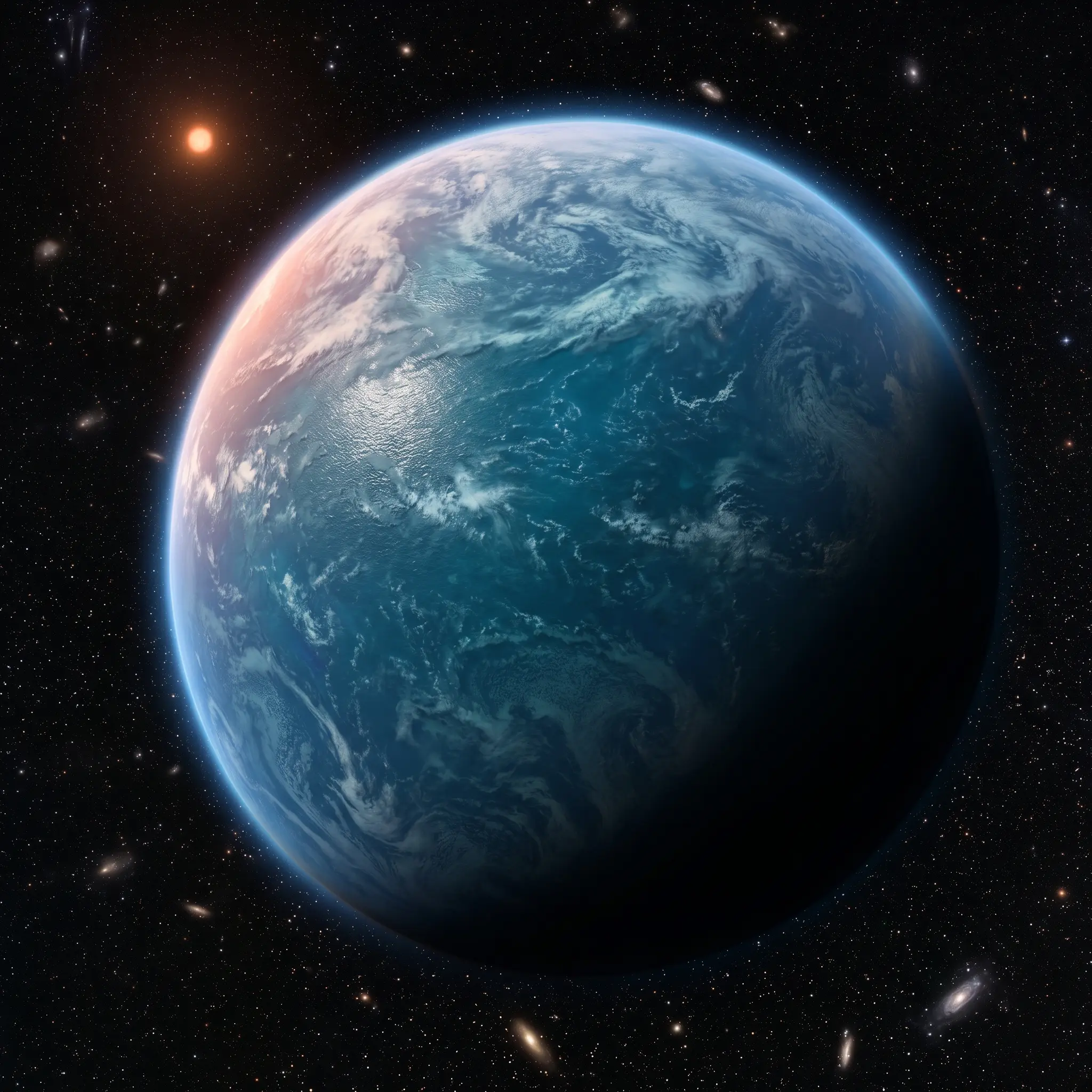
LHS 1140 b
Discovered in 2017, this super-Earth lies within the conservative habitable zone and completes an orbit in 24.7 days. With a mass 5.6 times that of Earth and a radius of 1.73 Earths, recent measurements suggest it is an ocean planet with a significant proportion of water and a helium-dominated upper atmosphere.
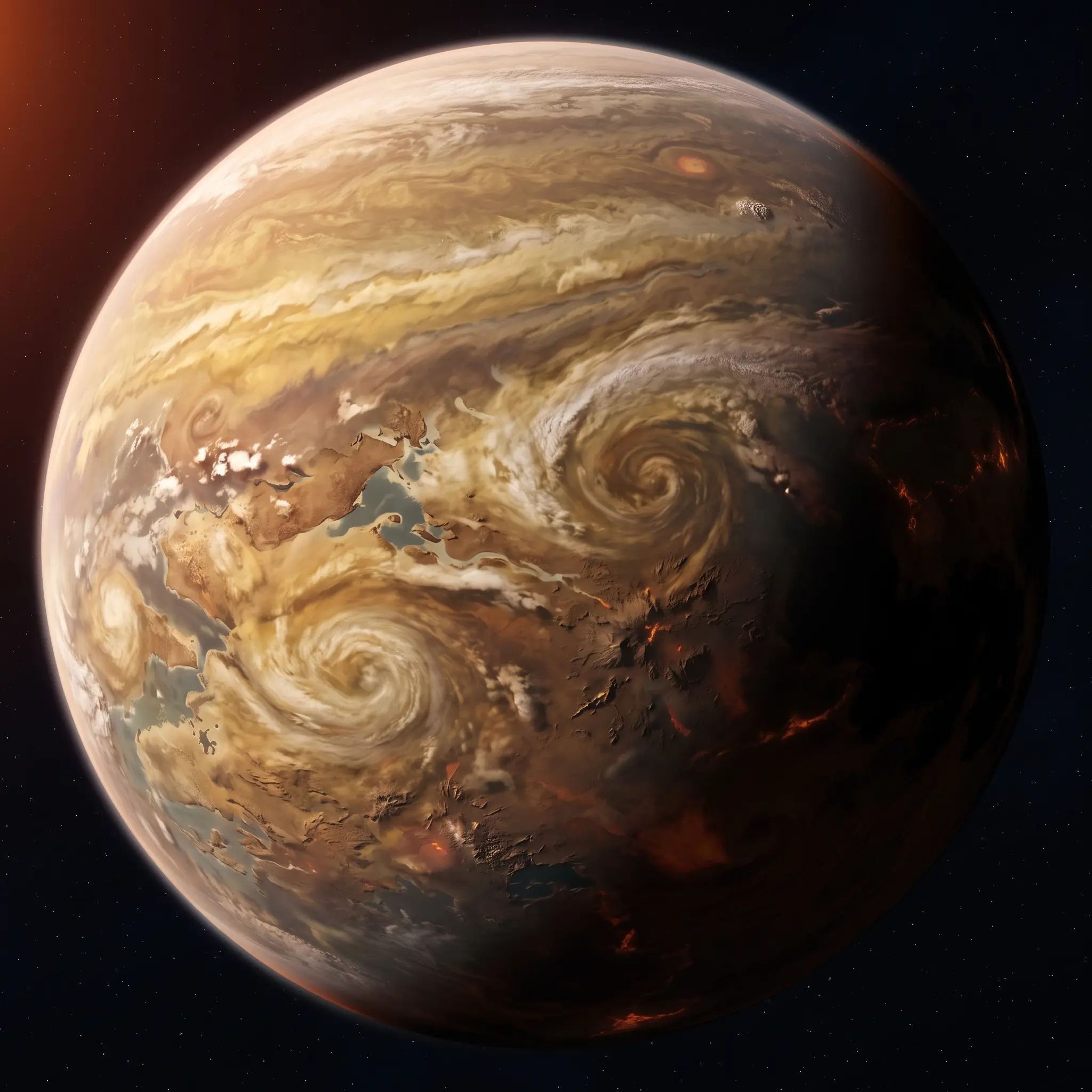
Gliese 832 c
The exoplanet Gliese 832 c is a massive super-Earth, more than five times the mass of Earth. It orbits its star every 36 days, and despite its location near the habitable zone, its greenhouse effect makes it a hotter version of our neighboring planet, Venus.
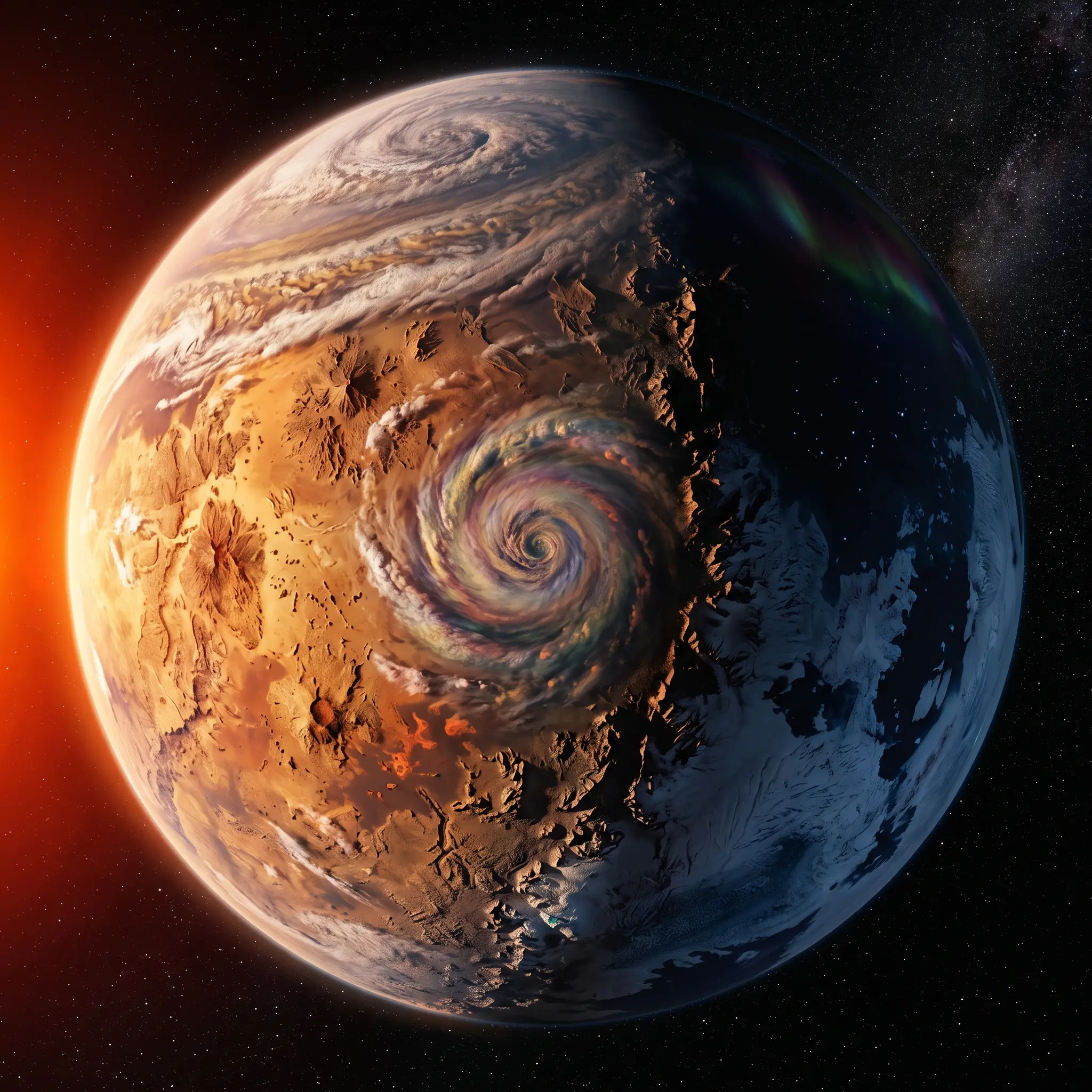
Gliese 832 b
The exoplanet Gliese 832 b is a cool gas giant with a minimum mass approximately half that of Jupiter. It orbits in a nearly circular, wide orbit at a distance of approximately 3.5 astronomical units from its star, completing a full orbit every 3,657 Earth days, or about a decade.
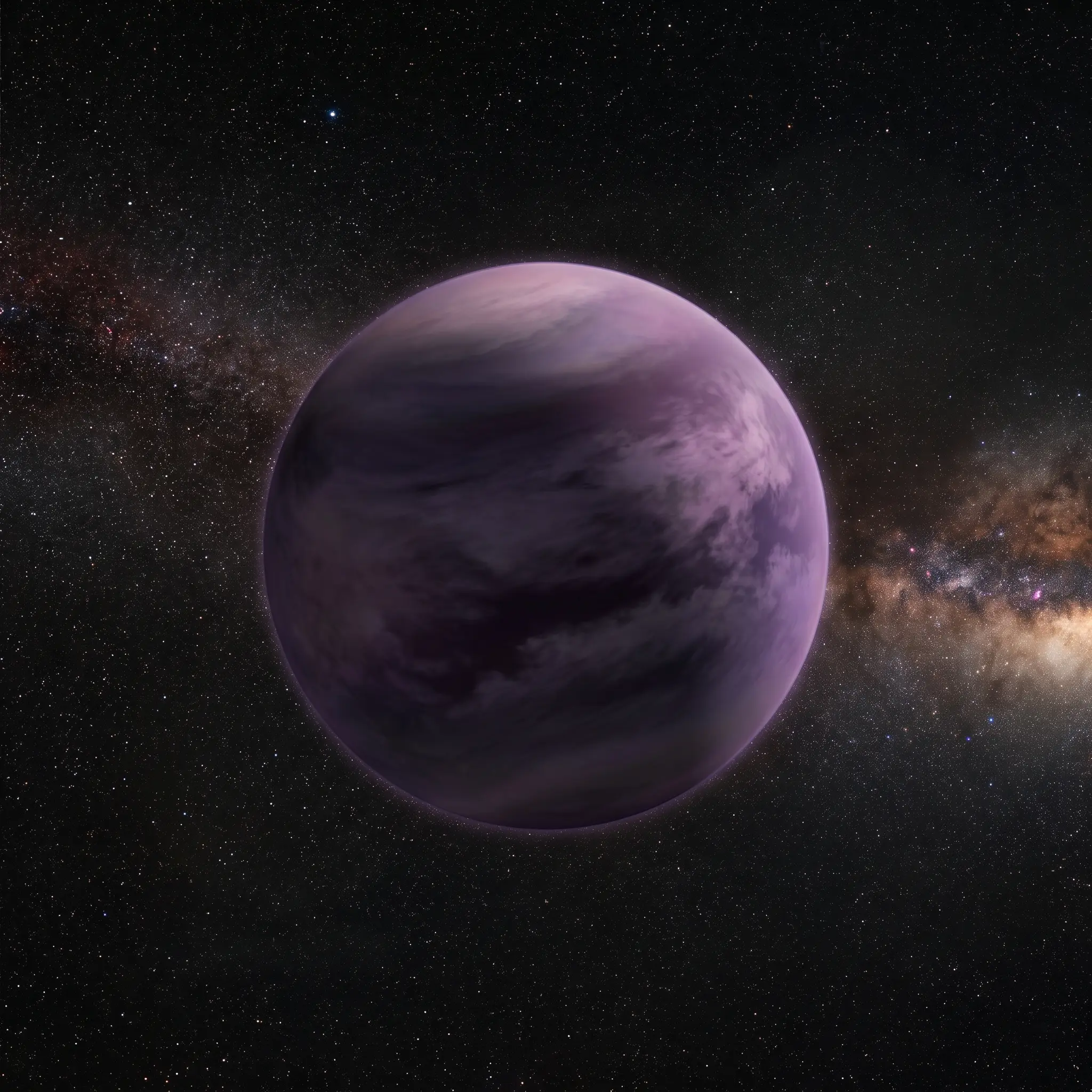
Gliese 687 b
The system's first exoplanet was discovered using the radial velocity method in 2014. It is similar in mass to Neptune and approximately 17 times the mass of Earth. The planet orbits the star in a close orbit every 38 Earth days.
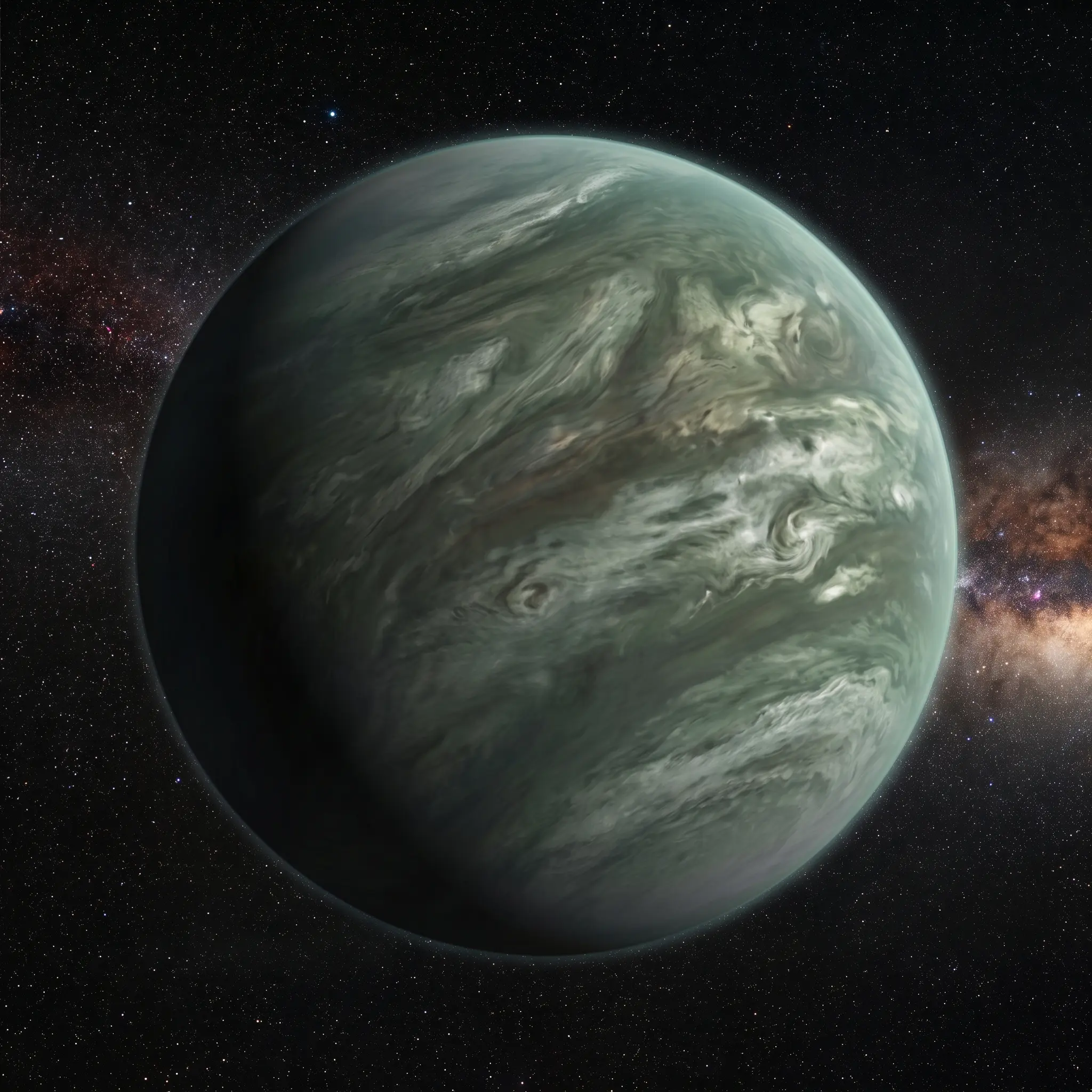
Gliese 687 c
The system's second exoplanet, discovered in 2020, is a Uranus-like planet with a mass of approximately 14.5 Earth masses. It orbits in a distant, cool orbit, completing one revolution every 727 Earth days. The planet receives significantly less stellar heat.
Ross 458 c
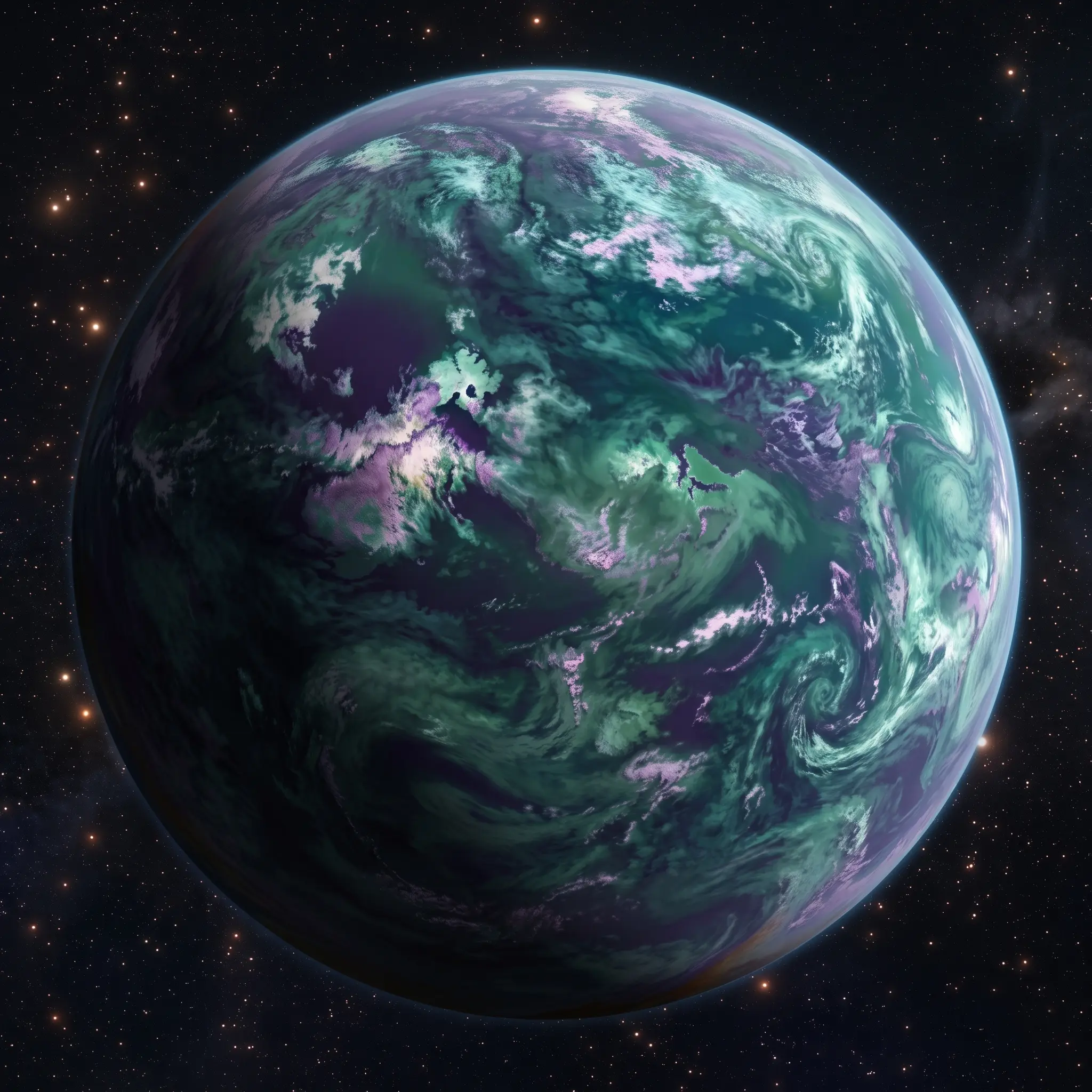
The only confirmed substellar companion, Ross 458 c, is classified as a T8 brown dwarf or massive gas giant. This object, with a mass between 6 and 8 Jupiter masses, was discovered in 2010 and orbits the binary star at a vast distance of approximately 1100-1168 astronomical units.
HD 189733 b
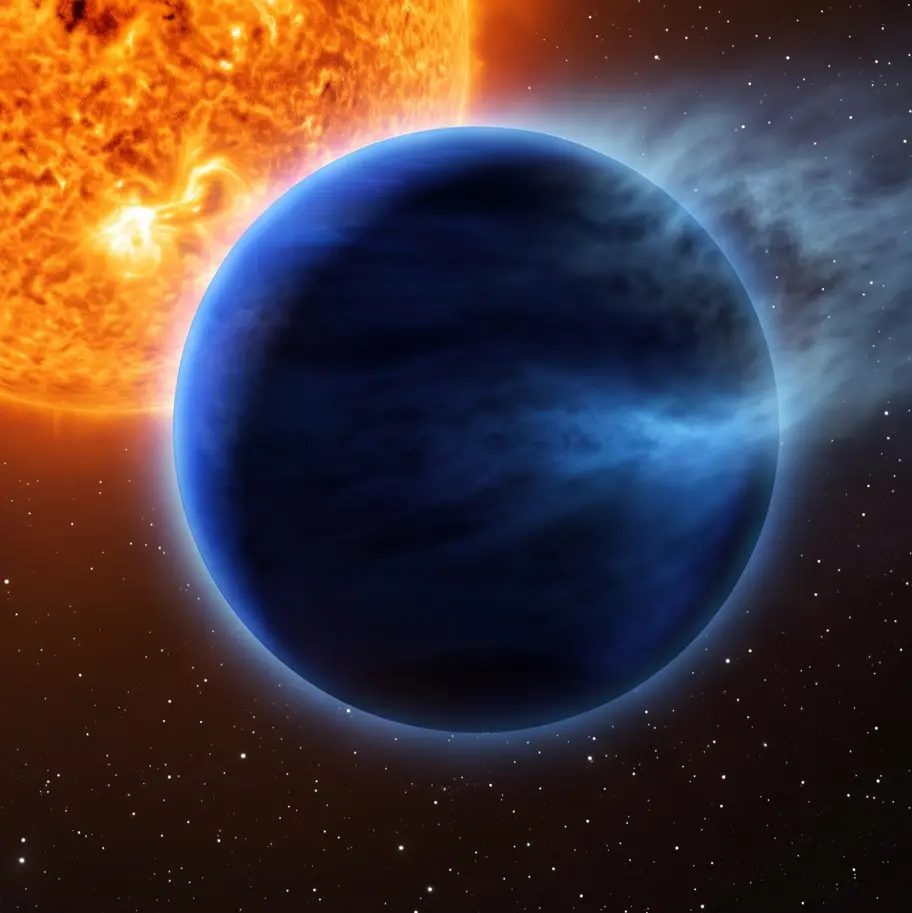
Exoplanet HD 189733 b is a hot Jupiter-type gas giant, orbiting its host star every 2.2 days. Clouds of silicate particles give it a vibrant blue color, while extreme temperatures and supersonic winds cause rains of molten glass.
Kepler-452b
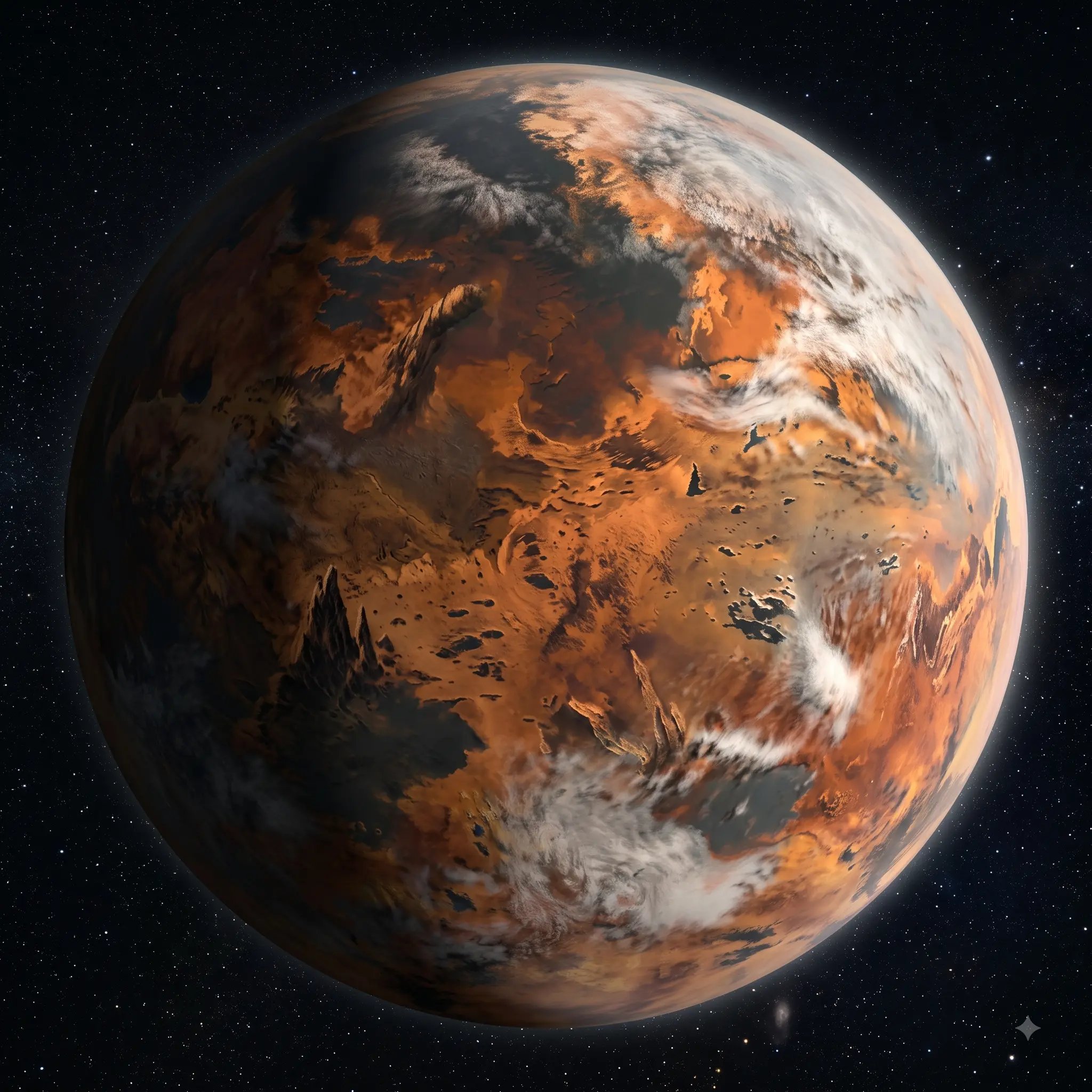
Kepler-452b is the only known super-Earth planet in the system. Its radius is approximately 60% larger than Earth's, and it takes 385 days to orbit its star. It lies in the habitable zone, receiving 10% more energy from its star than Earth does from the Sun.
WASP-43b
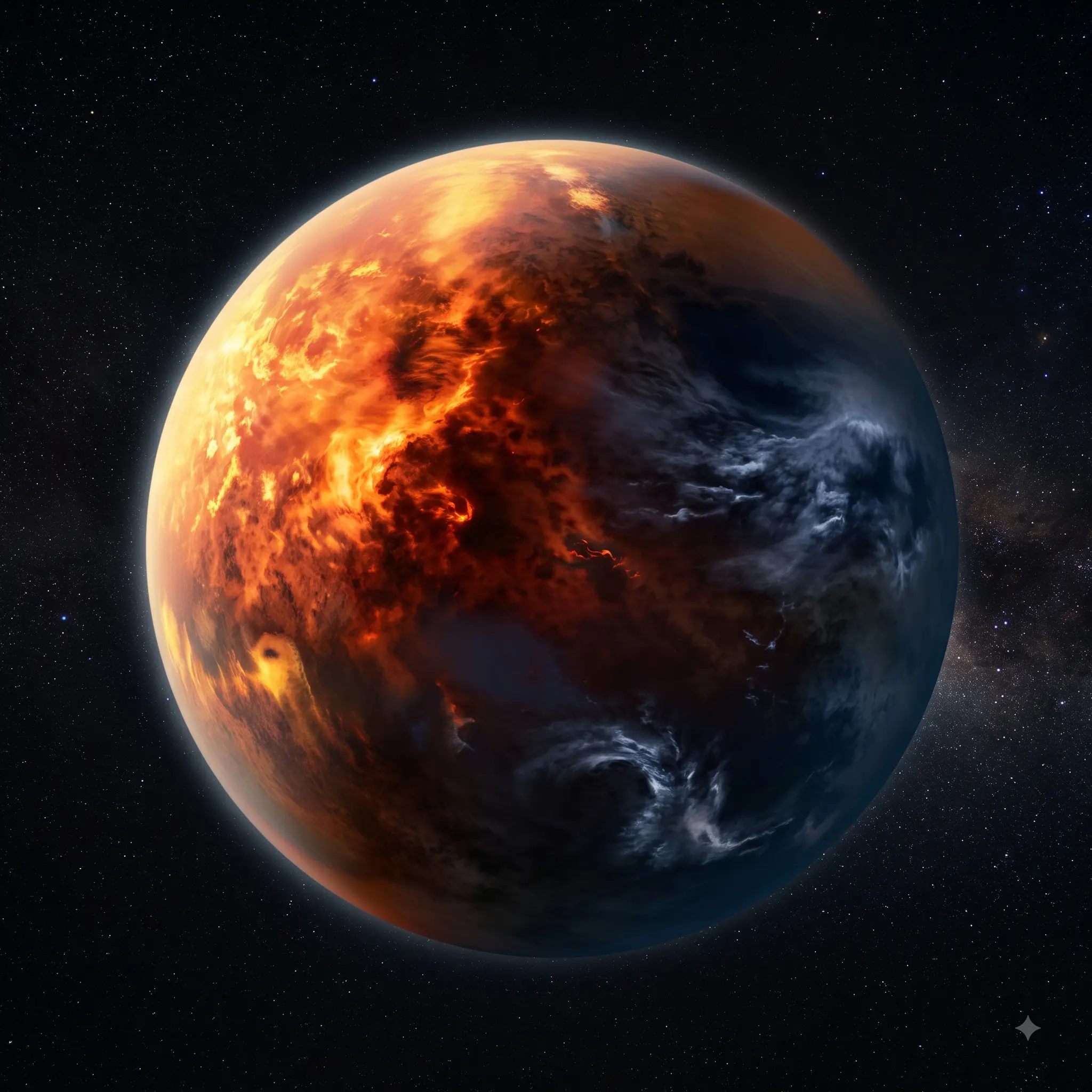
WASP-43b is a hot Jupiter planet, approximately twice the mass of Jupiter. It orbits extremely close to its star, completing a full rotation every 19.5 hours. Due to tidal locking, the planet's dayside is heated to 1500 Kelvin, while its nightside remains significantly cooler.