Stars
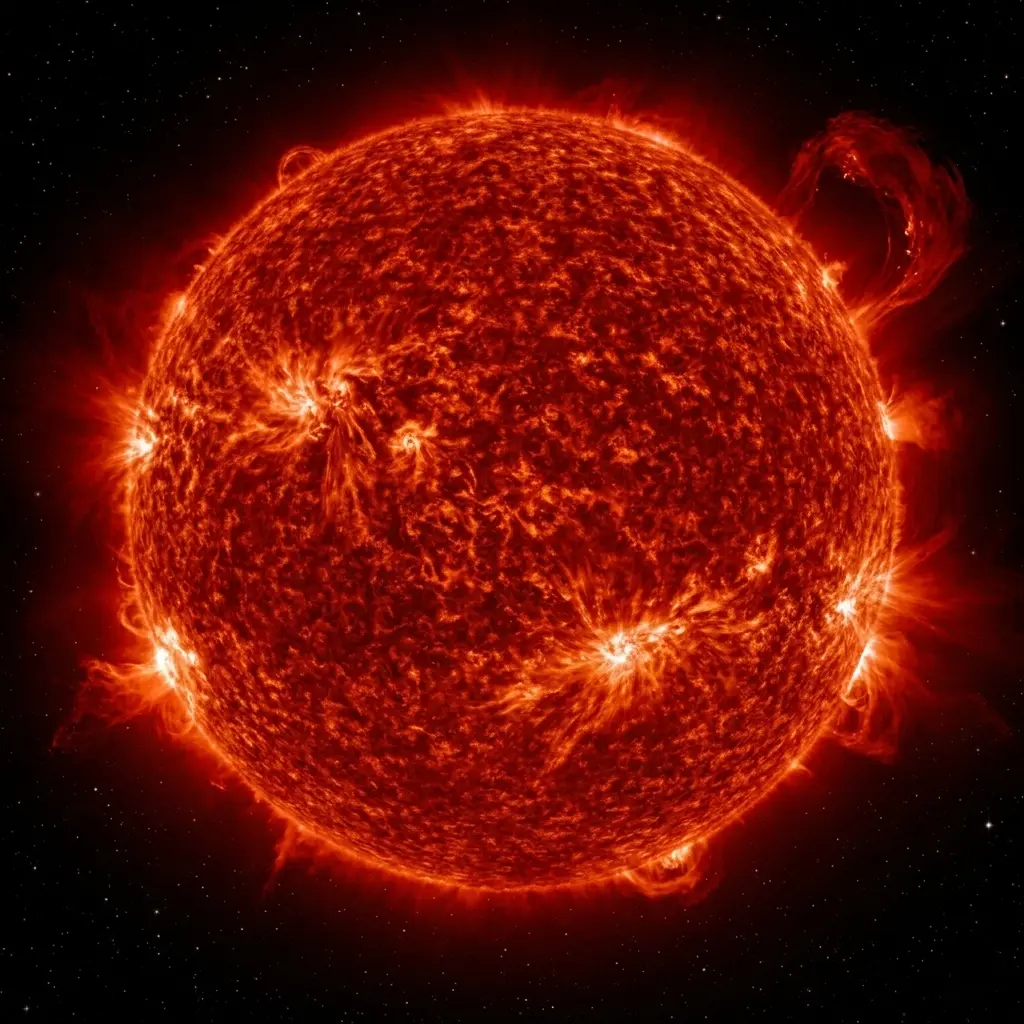
Luyten 726-8 A
Luyten 726-8 A (also known as BL Ceti) is a dim red dwarf of spectral type M5.5V, the primary component of one of the closest stellar systems to us, located just 8.7 light-years from Earth. This star has a mass of only about 10% that of the Sun and is extremely low in luminosity, making it impossible to see without a powerful telescope.
Luyten 726-8 B
Luiten 726-8 B, better known as UV Ceti, is an extremely dim red dwarf. Located just 8.7 light-years from Earth, it has a mass approximately 10% that of the Sun and a luminosity of 10 ...
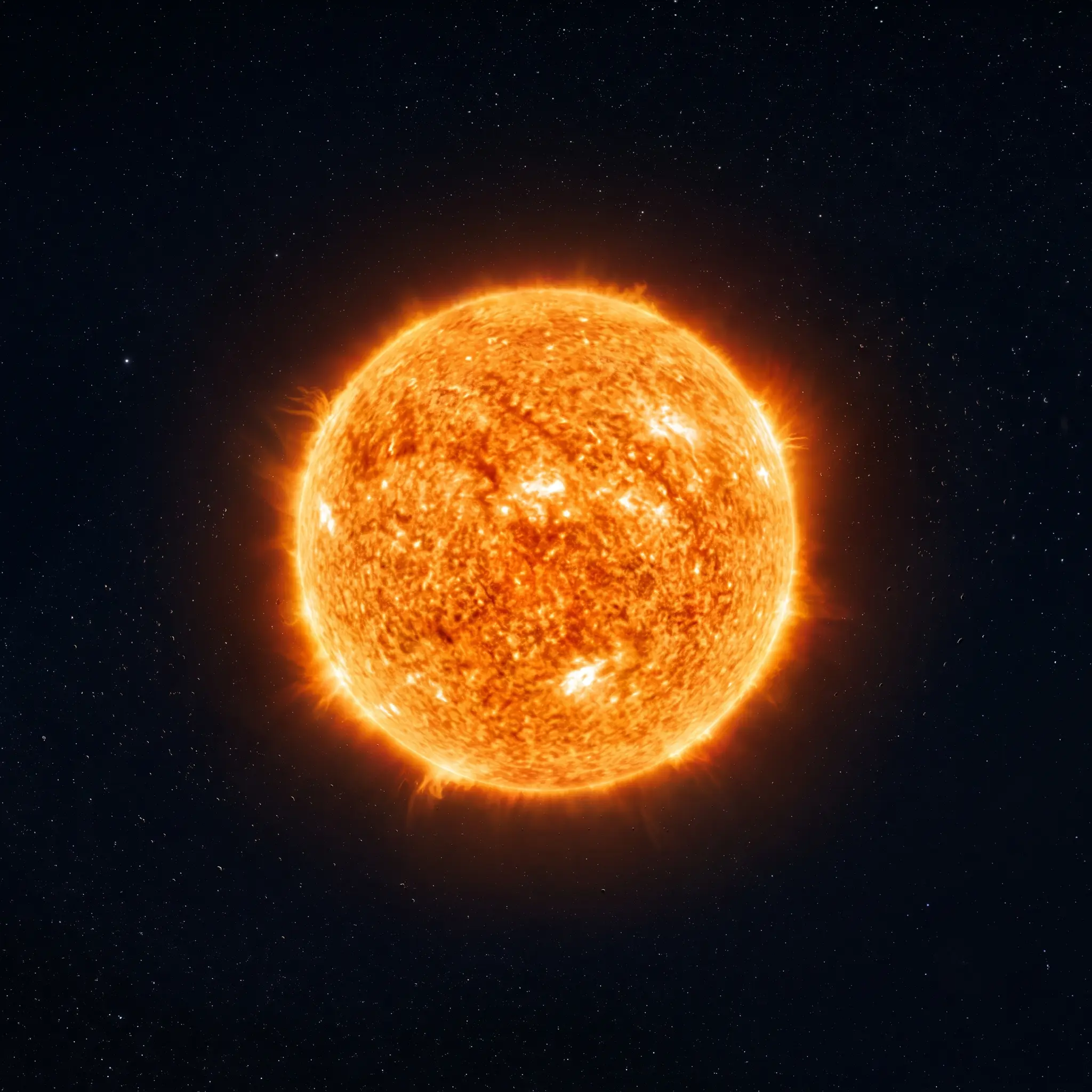
Epsilon Eridani
The star known as Epsilon Eridani is a prominent stellar body within its native system. It exhibits unique spectral characteristics, consistent thermonuclear burning rates, and specific magnetic field behaviors that astronomers find deeply compelling. Detailed analyses of its coronal emissions and rotational periods have significantly contributed to our modern understanding of stellar life cycles, making it a key subject of ongoing astrophysical research.
Ross 128
Ross 128 is a solitary, dim red dwarf of spectral type M4V. It has a mass of approximately 17% that of the Sun and a radius of approximately 20% that of the Sun. It is characterized by stable emission and extremely low flaring activity compared to other red dwarfs.
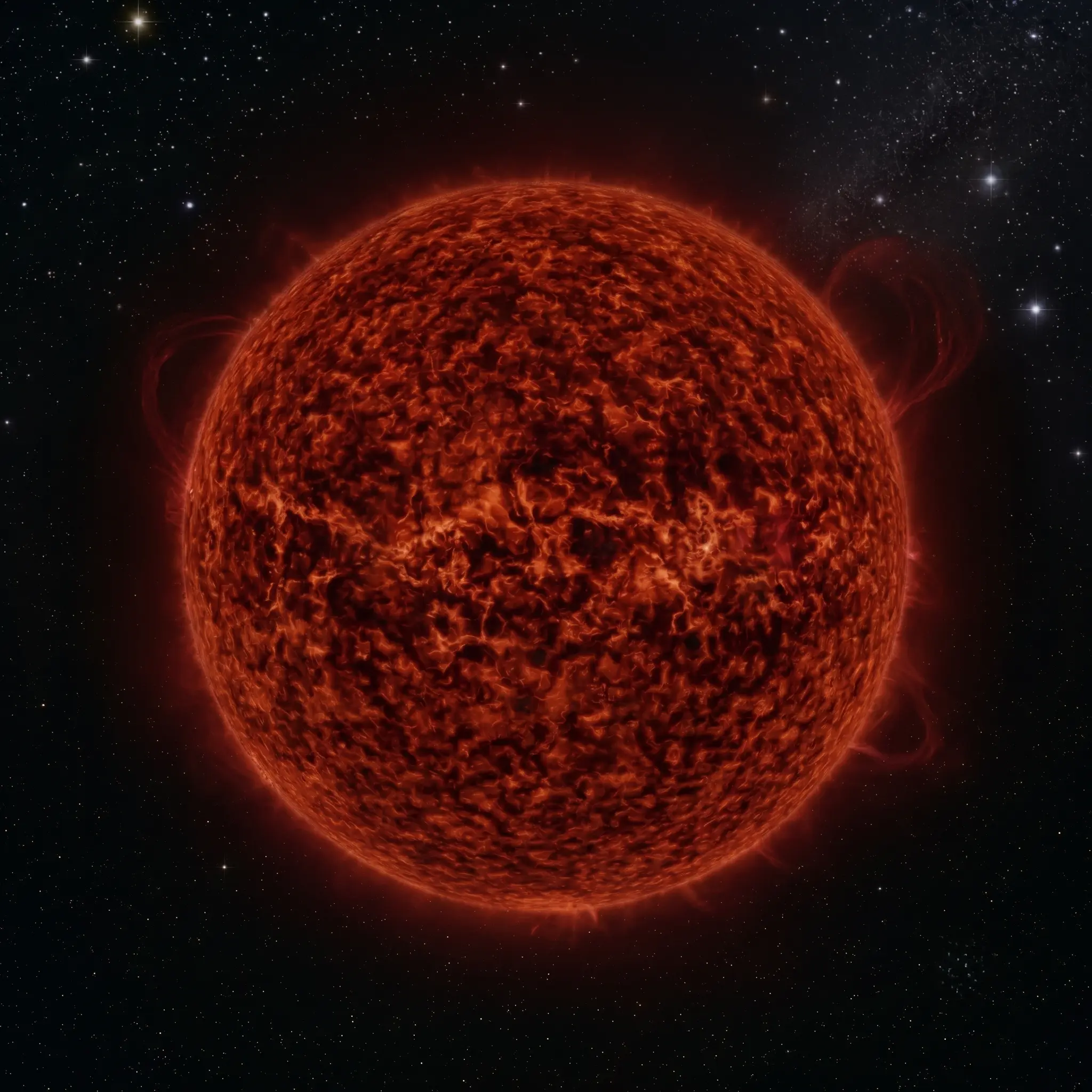
Luyten's Star
The central star is a single, dim red dwarf of spectral type M, invisible to the naked eye from Earth. Its mass and radius are approximately one-third those of our Sun. Its effective surface temperature is estimated at approximately 3,400 Kelvin, and its overall chromospheric activity remains quite low.
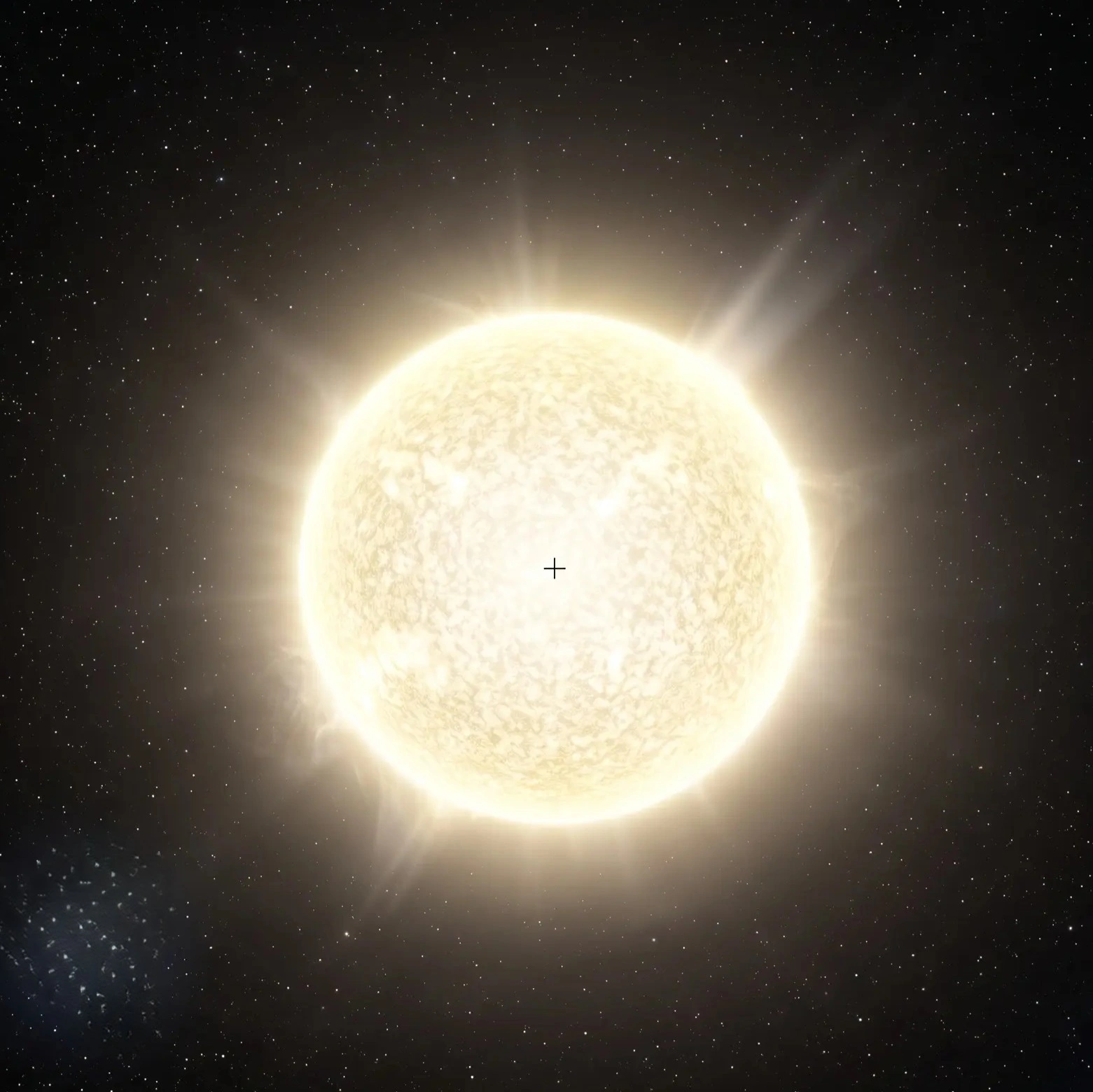
Procyon A
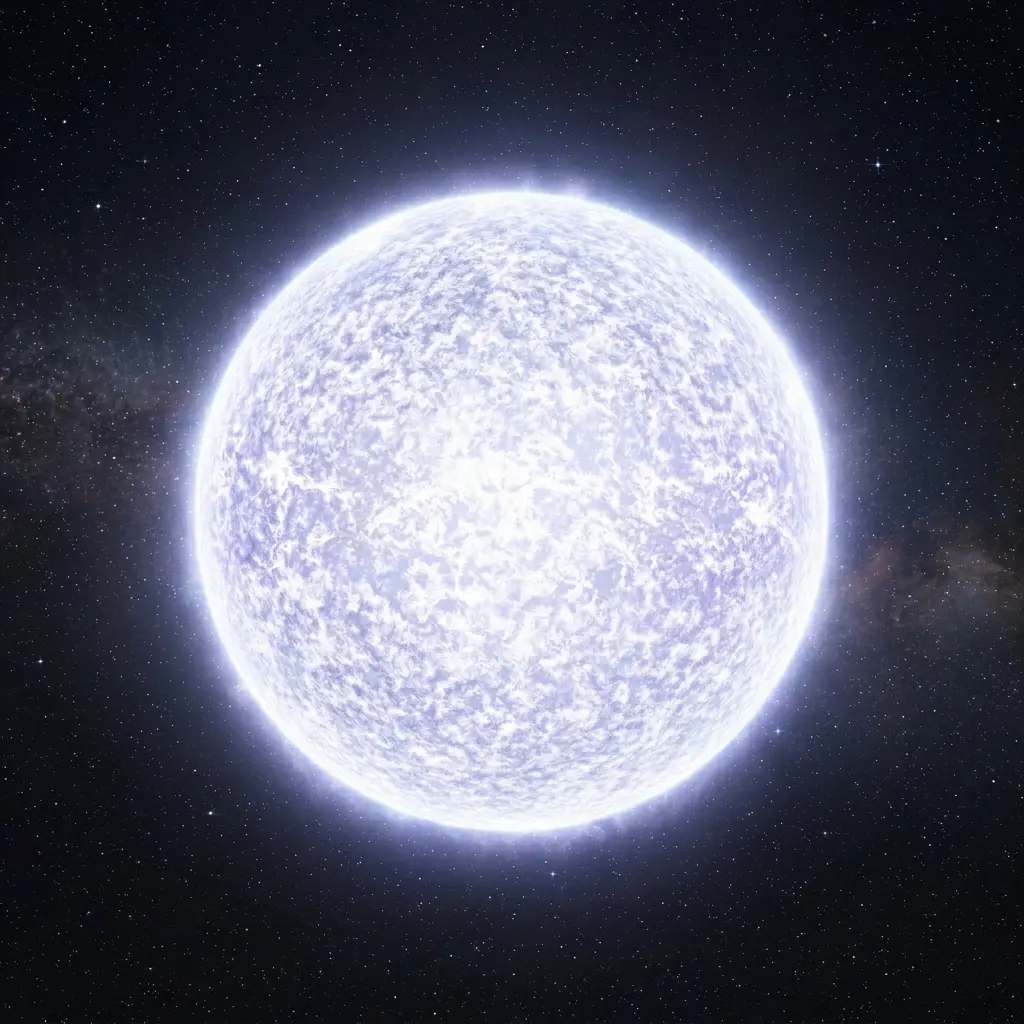
The system's main component is a yellow-white subgiant of spectral type F5IV-V. The star is 1.5 times the mass of the Sun and has a radius approximately twice that of the Sun. Procyon A is brightly luminous, completing the hydrogen burning process in its core, and gradually expanding, entering its giant phase.
Procyon B
The second component of the system is a dim white dwarf of spectral type DQZ. With a mass of approximately 0.6 solar masses, this object is compressed to a size comparable to Earth. It represents the dense, cooling core of a dead star that has exhausted all its thermonuclear fuel.
Teegarden's Star
Teegarden's Star is a dim, old red dwarf of spectral type M7. It has a mass of about 9.7% that of the Sun and is over 8 billion years old. Despite its age, the star is quiet, exhibits low flaring activity, and rotates slowly.
Wolf 1061
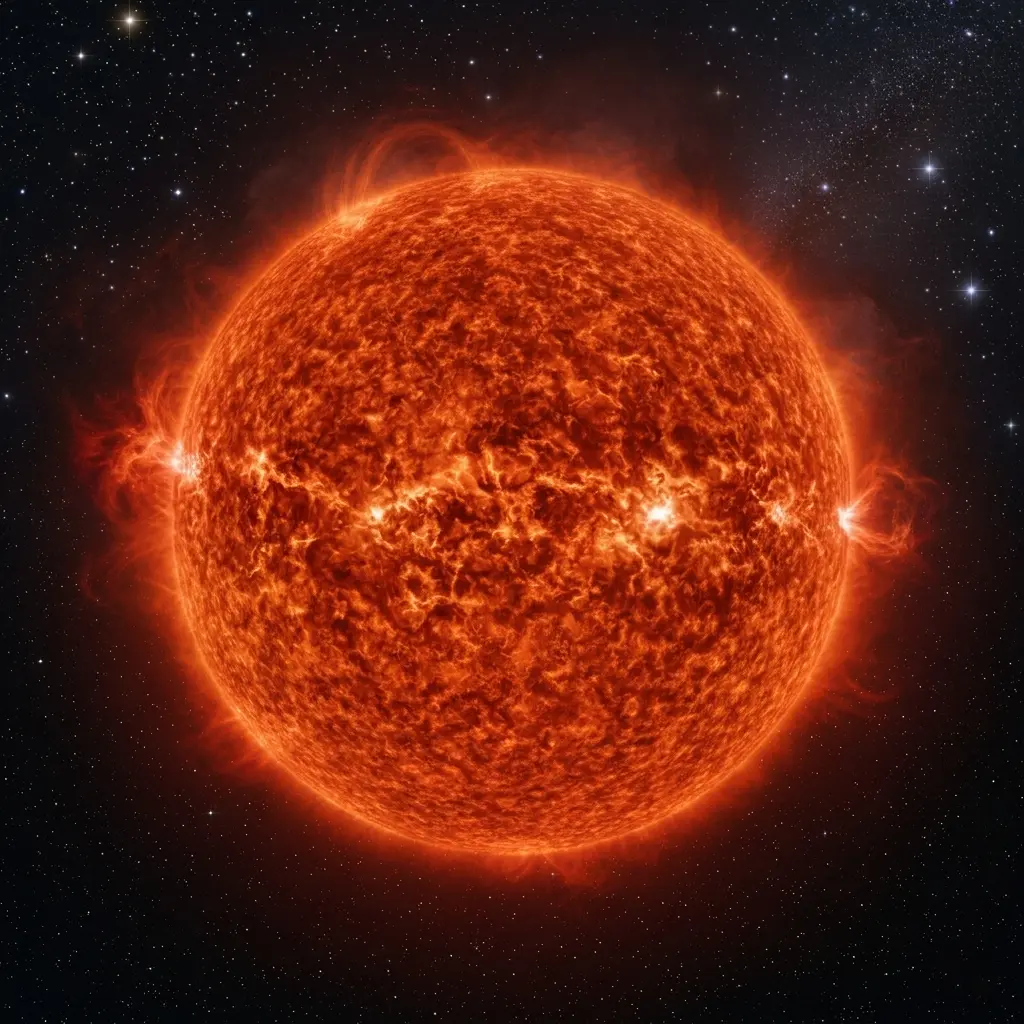
The star is a red dwarf of spectral type M, which has a mass and radius approximately a quarter of solar values, is characterized by low luminosity and a surface temperature of about 3300 Kelvin, making it a typical, relatively quiet representative of the stellar population of our galactic neighborhood.
YZ Ceti
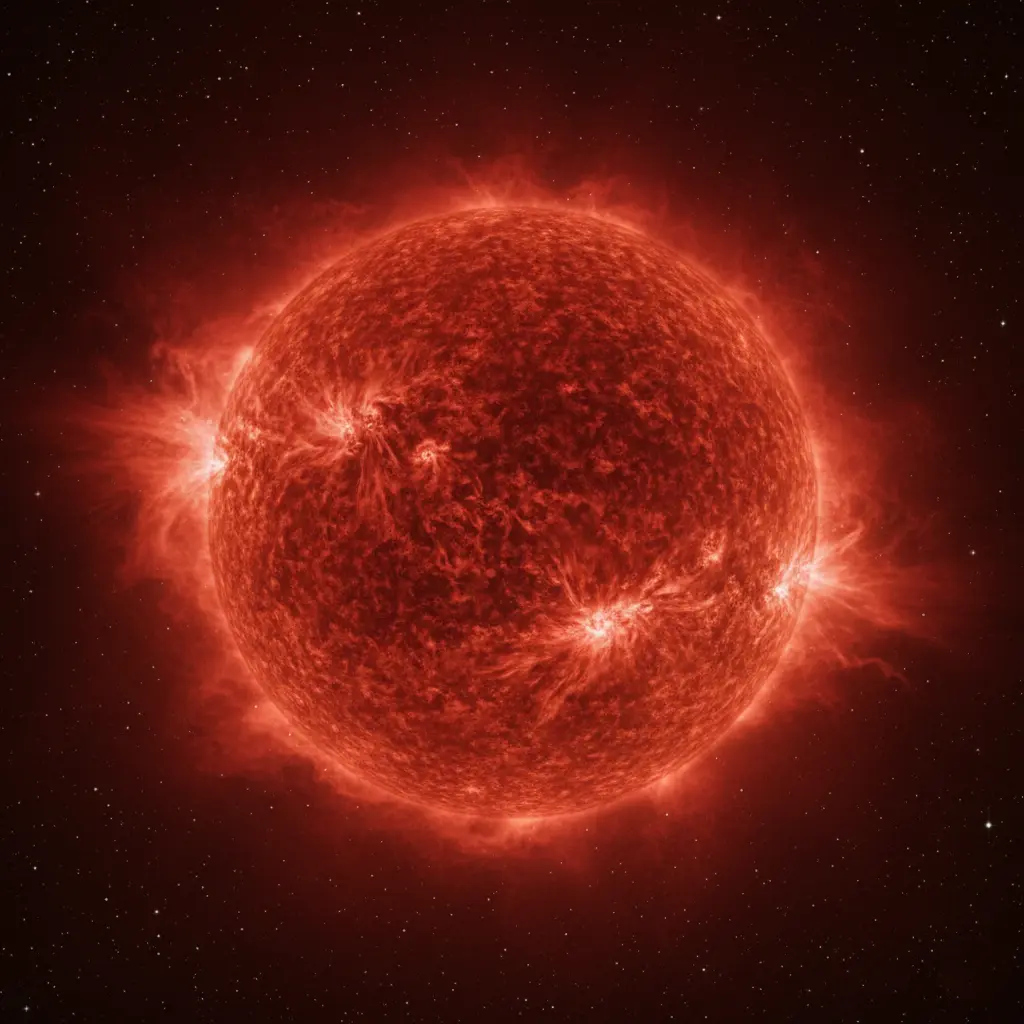
The star YZ Ceti is an old, dim red dwarf of spectral type M, with a mass only a fraction of that of the Sun and a negligible luminosity. It is known for its high activity, frequently generating powerful stellar flares and emitting intense stellar winds, which have a devastating effect on the atmospheres of its planets.
61 Cygni A
61 Cygni A is an orange main-sequence dwarf star of spectral type K5 V. It has a mass 70 percent that of our Sun and an effective surface temperature of approximately 4,481 kelvins.
61 Cygni B
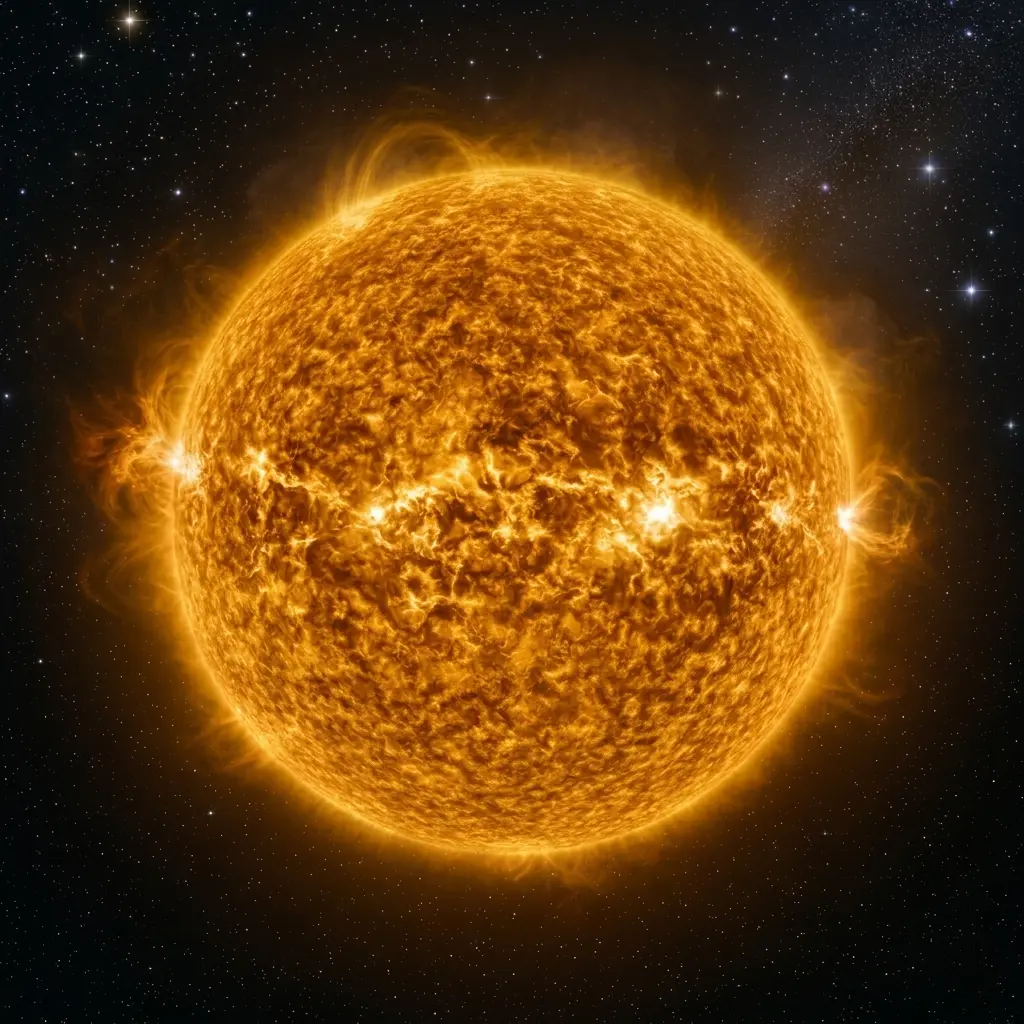
61 Cygni B is the secondary component, an orange dwarf star of the slightly cooler spectral type K7 V. This star is smaller than the primary, with a mass 63 percent that of the Sun and a surface temperature of approximately 3911 kelvins.