Stars
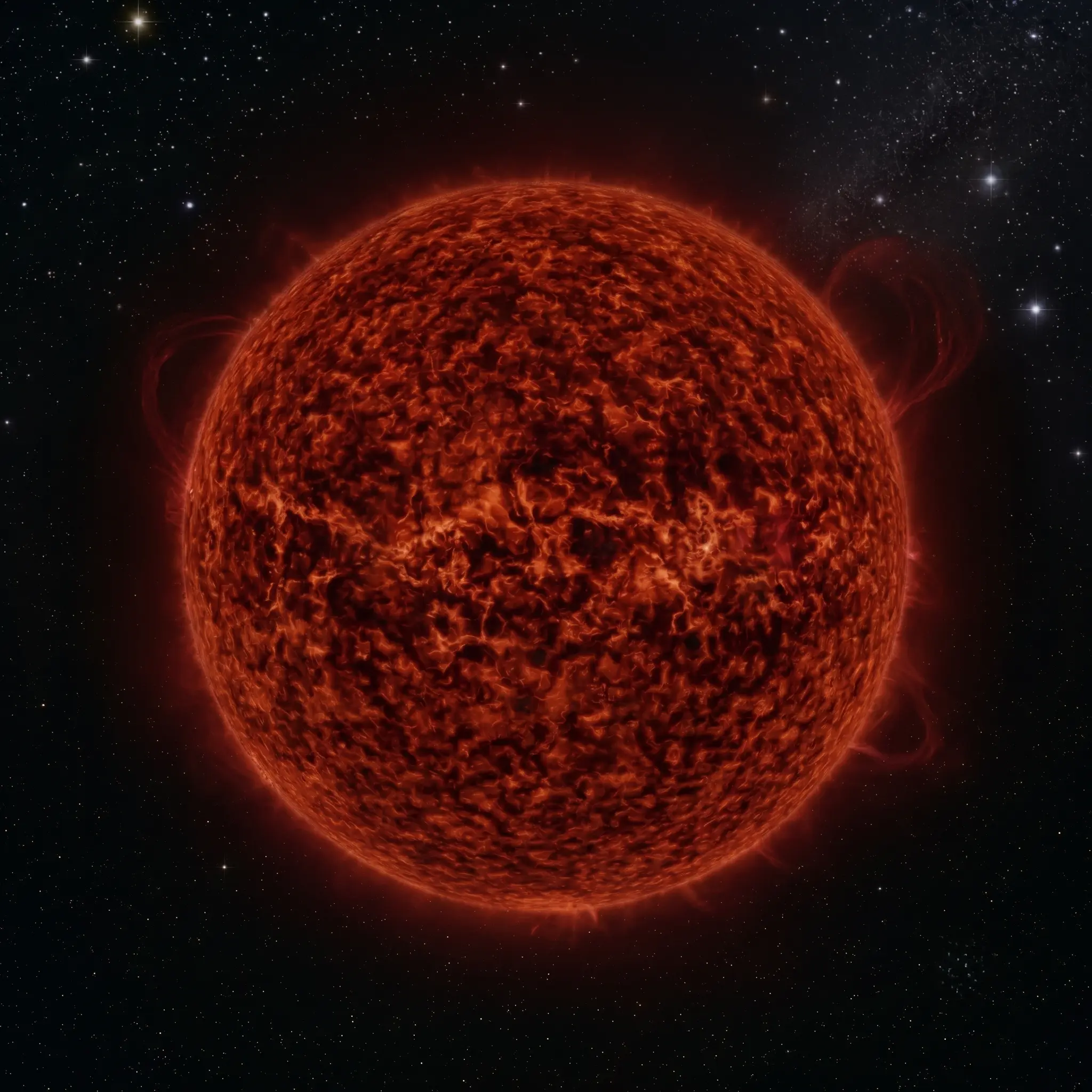
Gliese 832
Gliese 832 is a dim, solitary red dwarf of spectral type M2V. Its mass and radius are approximately half those of the Sun, and its luminosity does not exceed one percent of that of the Sun. It exhibits relatively low flaring activity and a surface temperature of approximately 3,600 Kelvin.
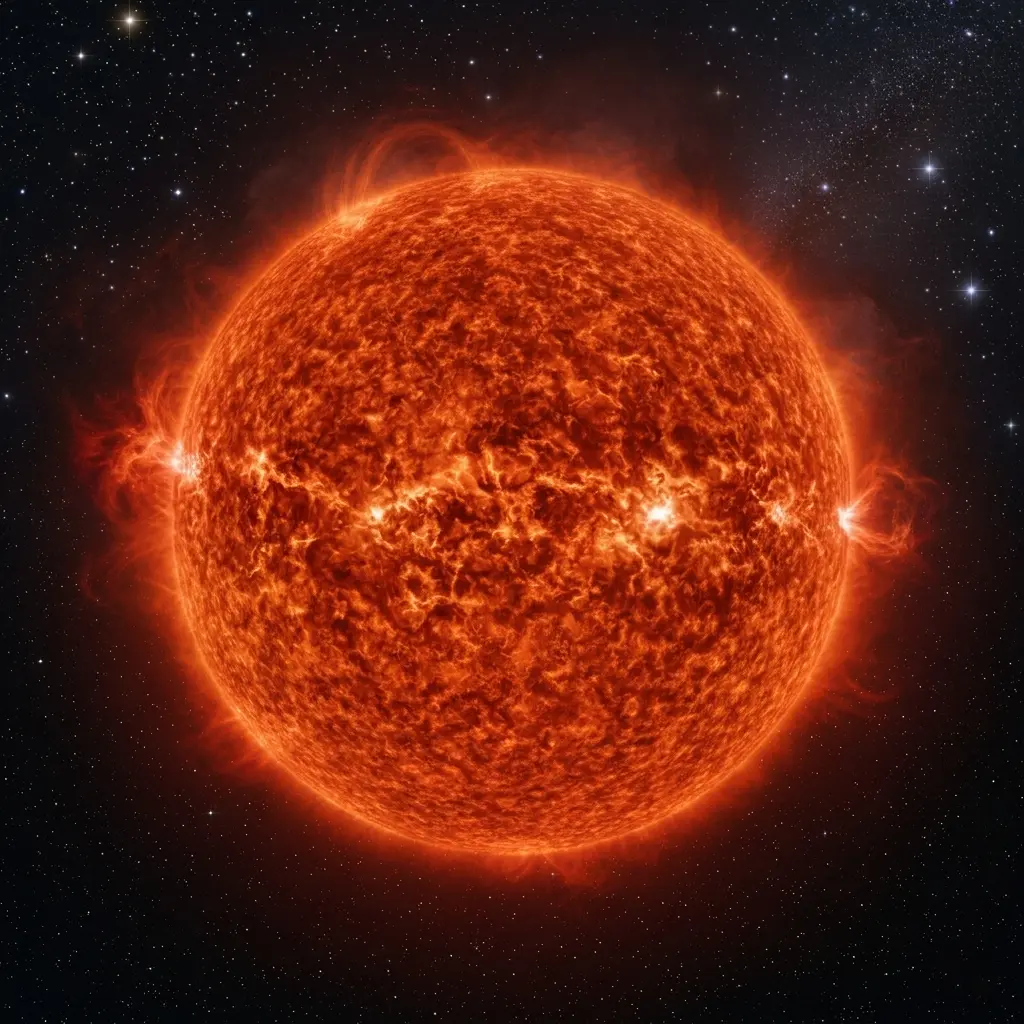
Gliese 687
The system's central star is a red dwarf of spectral type M3.5V. The star has a mass approximately 40% that of the Sun and emits only 2% of the visible light of the Sun. It is characterized by high magnetic activity, periodic flares, and active X-ray emission.
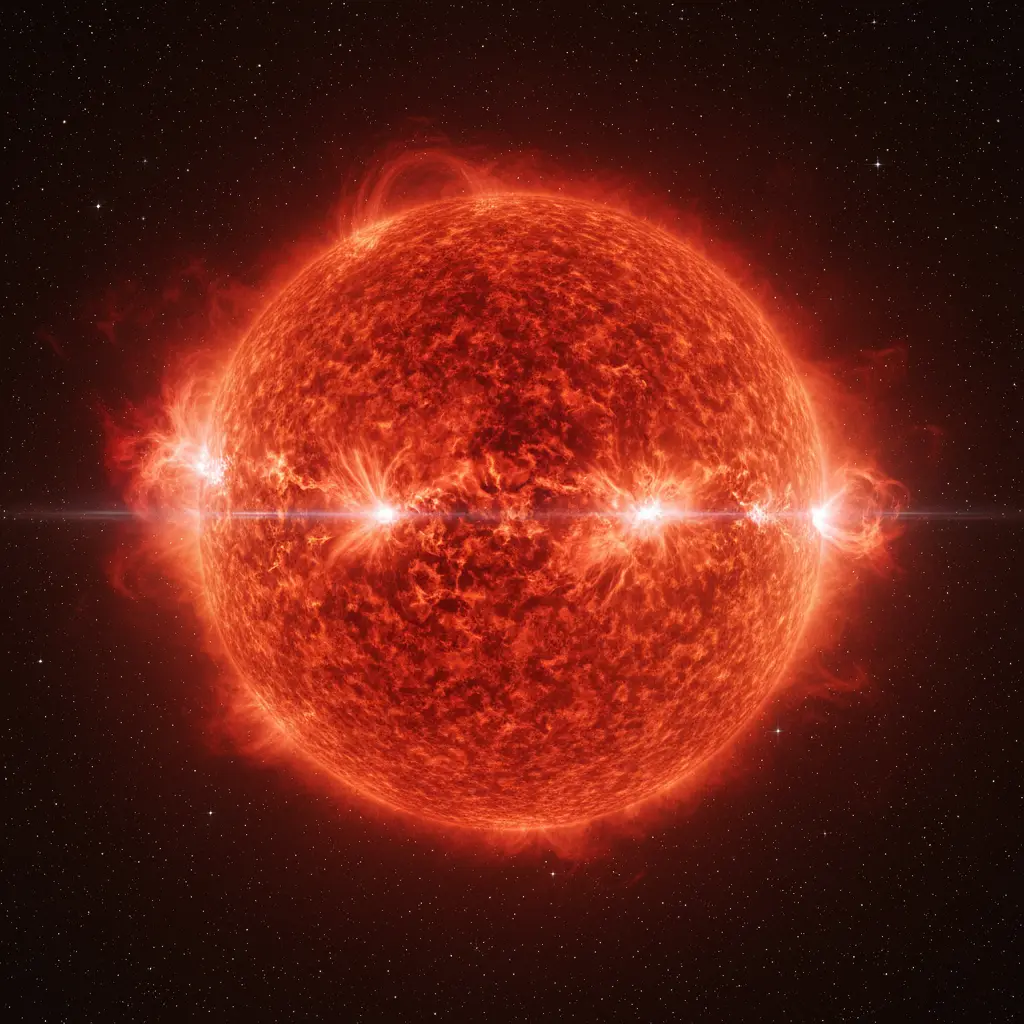
Ross 458 A
The system's primary component, Ross 458 A, is a main-sequence red dwarf of spectral type M0.5. It is a magnetically active flare star with a high rotation rate, approximately 0.55 solar masses, and a radius of approximately 0.59 solar masses.
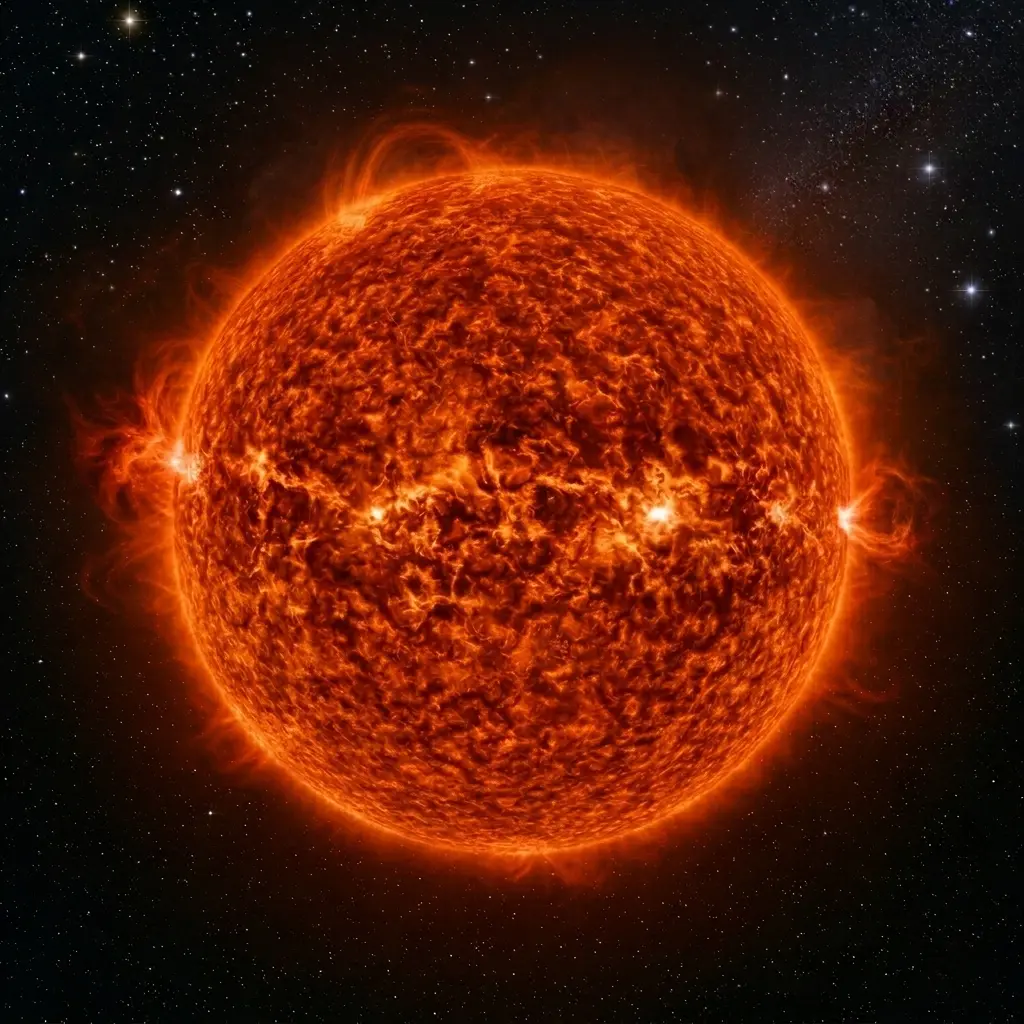
Ross 458 B
The secondary component, Ross 458 B, is a less massive red dwarf of spectral type M7.0. It has a mass approximately 89 times that of Jupiter and orbits the primary at a distance of approximately 5 astronomical units (AU) with a period of approximately 14 years.
Ross 614 A
Ross 614 A, the primary component of the system, is a dim red dwarf of spectral type M4.5V. This eruptive variable star has a mass of approximately 0.22 solar masses, a radius of approximately 0.24 solar masses, and is characterized by periodic outbursts that suddenly increase its overall luminosity.
Ross 614 B
Ross 614 B is the secondary component of the system, an extremely dim and cool red dwarf of spectral type M8V. Its mass is only about 0.11 solar masses, making it one of the lowest-mass main-sequence stars confirmed.
HD 189733 A
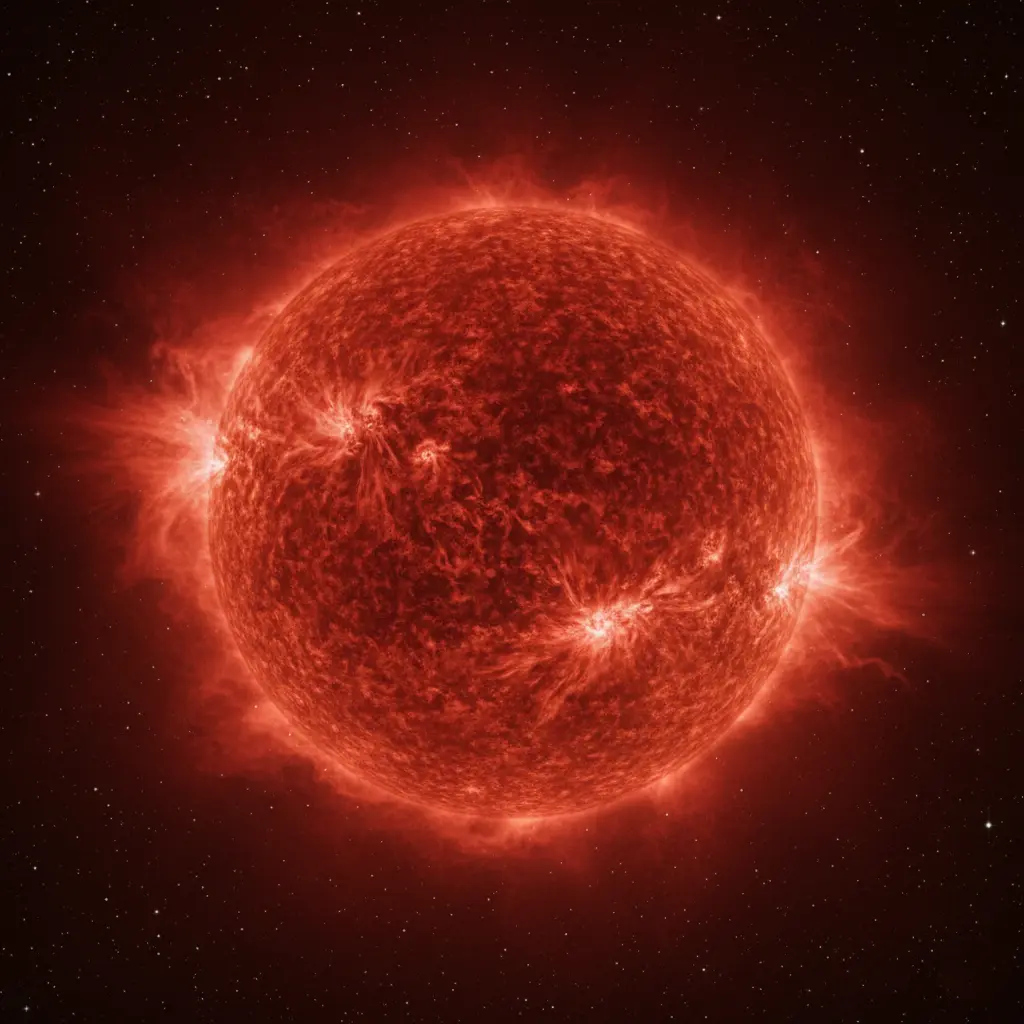
The primary star, HD 189733 A, is an orange dwarf of spectral type K1V. It is slightly smaller in mass and radius than the Sun, but is distinguished by extremely high magnetic activity, regularly accompanied by powerful flares and the presence of numerous dark spots on its surface.
HD 189733 B
The secondary star HD 189733 B is a dim red dwarf of spectral type M4V. This companion is approximately 216 astronomical units distant from its primary star, possessing a significantly lower mass and temperature, which causes it to complete an orbit in thousands of years.
Kepler-452
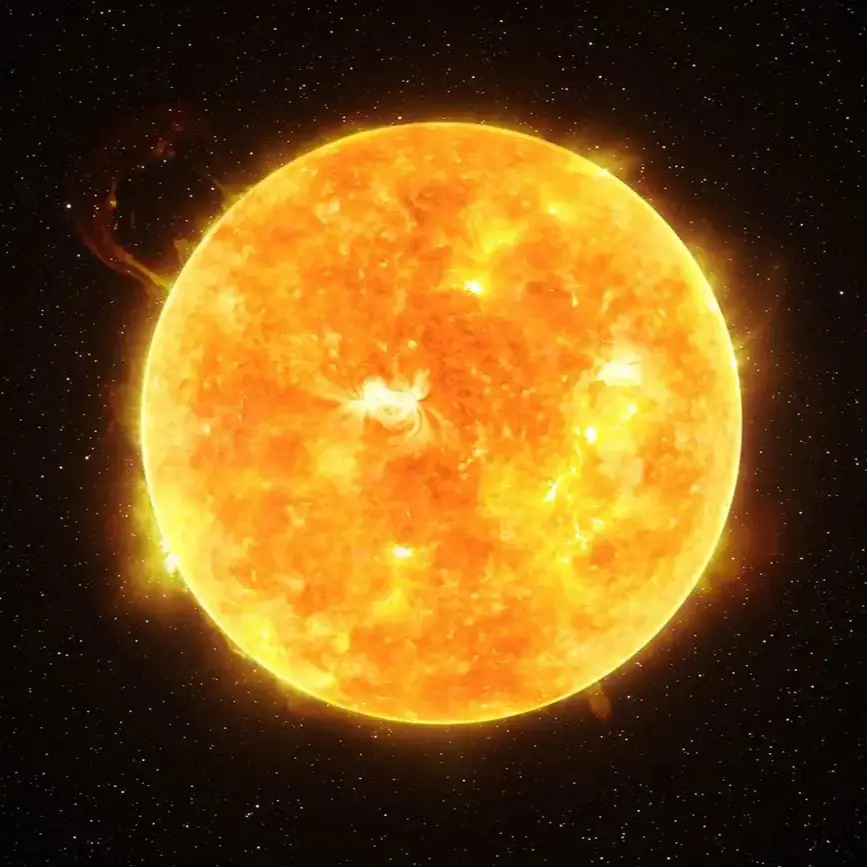
The system's central star is a yellow dwarf of spectral type G2V, similar to our Sun. The star is approximately one and a half billion years older than the Sun, 10% larger in diameter, and 20% brighter. Due to its age, the star emits more energy, gradually heating the surrounding space in its system.
WASP-43
WASP-43 is an orange dwarf of spectral type K7V. It is smaller in mass and radius than the Sun, accounting for approximately 70% of its parameters, and has a surface temperature of 4,500 Kelvin. It is a rapidly rotating star with high activity and relatively low luminosity.
EZ Aquarii A
The system's primary component, EZ Aquarii A, is a red dwarf of spectral type M5V and an active flare star. Its mass is approximately 11% that of our Sun and its radius is approximately one-tenth that of the Sun, making it very small and cool.
EZ Aquarii C
The third component, EZ Aquarii C, is the lightest and faintest red dwarf in this triple system. It forms an incredibly close spectroscopic binary with the primary star, A, completing a full orbit around it in just 3.78 Earth days.